KDI raises S. Korea's 2026 growth outlook to 3.2 pct amid AI boom
SEOUL, Aug. 19 (Yonhap) -- South Korea's economy is expected to grow 3.2 percent...
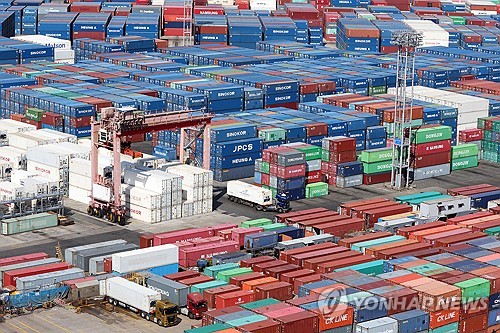
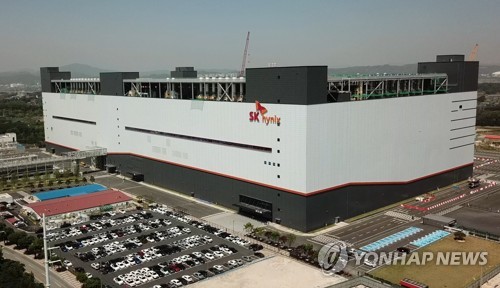
The Korea Development Institute (KDI) has upgraded its growth forecast for South Korea's economy in 2026 to 3.2%, following a stronger than anticipated global demand fueled by the artificial intelligence (AI) boom. This revision surpasses the initial projection of 2.5% growth. The KDI attributes this upward adjustment to the robust global demand for semiconductor products, which has led to increased exports and facility investments.
These factors are expected to eventually stimulate private consumption in 2027, prompting the KDI to further raise its 2027 growth projection to 2.2%, an increase of 0.5 percentage points from the earlier estimate. Despite potential challenges such as U.S. tariff measures and geopolitical uncertainties in the Middle East, the KDI anticipates South Korean export volumes to expand by 8.7% and 5% in 2026 and 2027, respectively.
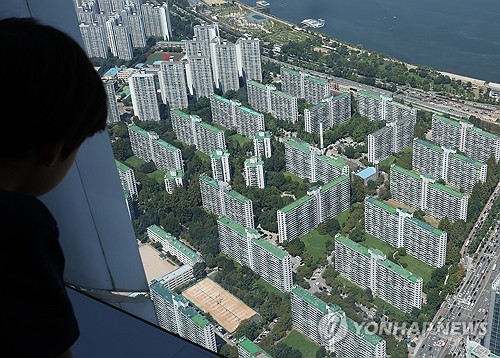
The surge in exports and facility investments, particularly in the chip-related sectors, has contributed to an unprecedented current account surplus. However, the report highlights that construction investment remains stagnant due to the ongoing slump in the housing market outside the greater Seoul area. The KDI also cautions that fluctuations in the semiconductor industry cycle could heighten economic volatility, given South Korea's heavy dependence on global chip demand.
Should global AI investment decline due to profitability concerns or a decrease in South Korean chipmakers' global market shares, economic growth may decelerate rapidly. Conversely, growth could surpass expectations if South Korean companies accelerate their semiconductor production capacity expansion. Other potential risks include uncertainties surrounding U.S. tariff policies and geopolitical tensions in the Middle East, which could disrupt raw material supplies.
Written by urgent.news from Yonhap News's reporting — not their text. Machine-written — may contain errors; check the original before relying on it.
Also reported by 1 other outlet
- KDI raises Korea's 2026 growth outlook to 3.2% amid AI boom koreatimes.co.kr