iPhone Ultra trade-offs: The biggest things you’re not getting versus iPhone 18 Pro
The iPhone Ultra should be in high demand, but Apple's first foldable iPhone is tipped to require some major trade-offs to give you such a big screen in a compact design.
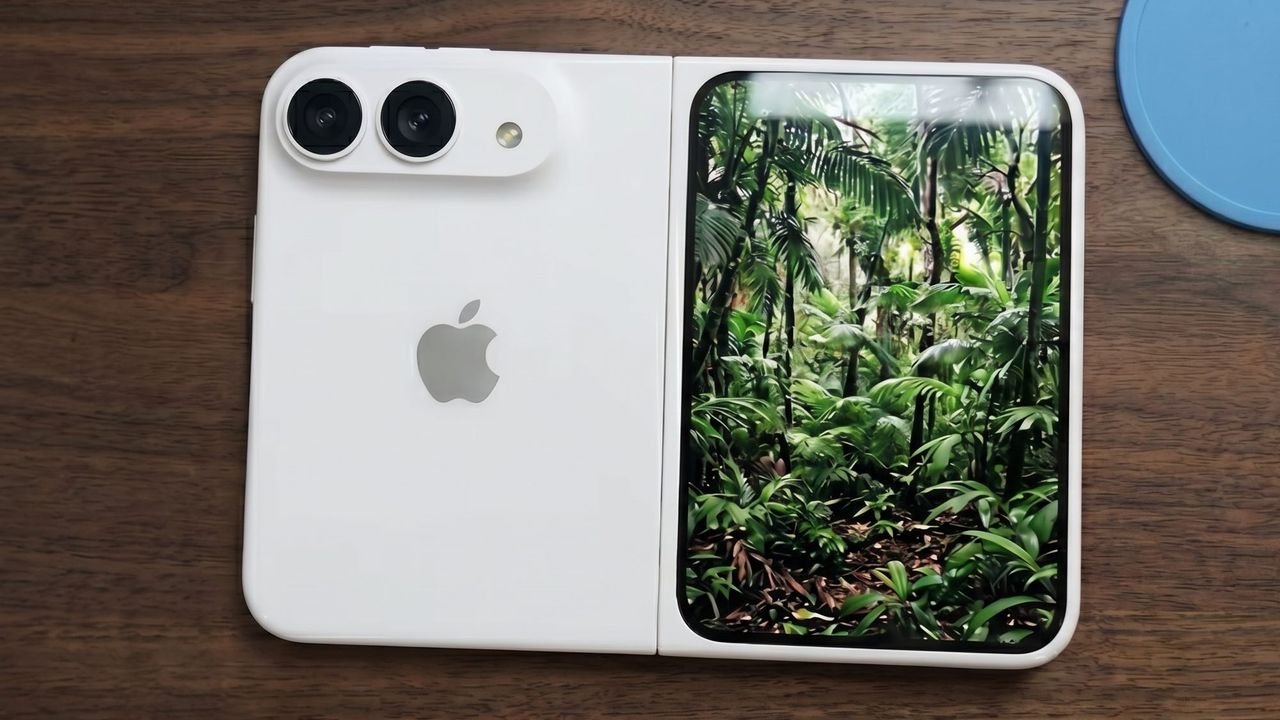
The iPhone Ultra, rumored to be priced between $2,000 and $2,500, has been the subject of debate regarding its premium cost. Reports suggest that it may have certain drawbacks compared to the iPhone 18 Pro and iPhone 18 Pro Max. While users accustomed to trade-offs when comparing foldable phones to traditional flagships, Apple's choices in the iPhone Ultra are worth examining. Here are the potential trade-offs and their significance.
Firstly, the iPhone Ultra will reportedly lack a telephoto lens. This omission would result in a lack of long optical zoom, forcing users to rely on cropping or digital zoom for closer shots. Not having a telephoto lens would be a significant disappointment, especially considering the iPhone 18 Pro Max's 6x optical zoom. The Galaxy Fold 8 also lacks a telephoto lens, with a maximum digital zoom of 10x, making this lack of a feature less surprising but still disappointing.
Secondly, Face ID won't be available on the iPhone Ultra, scoring a 7/10 on the bummer scale. Apple may not have the space to incorporate the TrueDepth sensor and necessary components for Face ID in the Ultra. While Touch ID will likely be used for unlocking, fingerprints sensors can be more finicky than face recognition, adding to the inconvenience of unlocking the phone.
Thirdly, the iPhone Ultra is expected to feature an IP48 or IPX8 durability rating, meaning it can withstand water immersion but not dust or sand. This trade-off is shared by the Galaxy Z Fold 8 and Fold 8 Ultra. Despite the thinner design of the iPhone Ultra (4.5 to 4.8 mm when open), it won't offer the same level of protection as IP68-rated foldables like the Motorola Razr Fold and Pixel 11 Pro Fold.
Lastly, the iPhone Ultra may not support MagSafe technology, which scored a 5/10 on the bummer scale. Instead, users might need to use cases with built-in magnets to achieve similar conveniences, such as wireless charging and turning the phone into an alarm clock with StandBy mode. Although this concern can be mitigated by purchasing a case with the necessary magnets, it's still a disappointment.
Overall, these trade-offs raise questions about whether the iPhone Ultra's features and versatility outweigh its limitations. The Ultra promises a 7.8-inch display in a compact design, effectively fusing the functionality of an iPad mini and an iPhone. However, given the lack of a telephoto camera, Face ID, dust resistance, and MagSafe support, potential buyers must weigh these trade-offs before deciding whether the iPhone Ultra is worth the investment.
Written by urgent.news from Tom's Guide's reporting — not their text. Machine-written — may contain errors; check the original before relying on it.