Five-year-old human brain organoids aged on schedule
The cultured spheres typically mimic only prenatal development, but the five-year-old ones grown in Paola Arlotta’s lab acquired postnatal features.
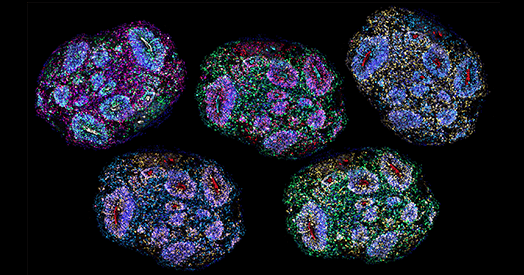
Paola Arlotta’s team cultivated cortical organoids for five years, demonstrating they can mature and age on schedule like human brains. Typically, these organoids only model prenatal brain development and lack electrical activity. However, the long-lived organoids generated diverse neurons and glia, and acquired postnatal transcriptional and epigenetic features, according to a study published in Nature.
The research provides a way to study postnatal brain stages in culture. After one year, some neurons in the organoids began to suffer, but modifying the culture medium helped to grow new organoids with mature excitatory neurons, greater complexity, and enhanced electrical activity. While the study proves that organoids can be cultured for a long time, five years is impractical.
The human brain develops more slowly than other species, and organoid quality declines after three to four months. Researchers are working to shorten the time it takes to produce mature organoids.
Written by urgent.news from The Transmitter's reporting — not their text. Machine-written — may contain errors; check the original before relying on it.