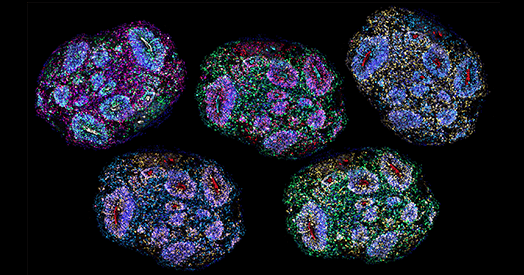
Brain organoids survive nearly six years, mirroring later human development
A scientific team has shown that, under the right circumstances, 3D cell culture models of human brain tissue, known as organoids, can express features of later-stage brain development. This breakthrough could turn previously unattainable, long-term benchtop studies of neurodevelopmental disorders into a reality.

Harvard University researchers have demonstrated that 3D brain tissue models, known as organoids, can develop and function for nearly six years, mirroring the later stages of human brain development. This breakthrough could enable detailed studies of neurodevelopmental disorders like autism. Led by Dr. Paola Arlotta, the team observed organoid survival, gene expression, biological age, cellular structure, and functional maturity over extended periods.
Neurons established connections and maintained electrical activity for at least two years, indicating realistic developmental pacing. Transplanted older neurons retained their developmental timing, suggesting the presence of an intrinsic cell clock. This research expands the potential applications of organoids, from modeling developmental disorders to testing experimental interventions.
Written by urgent.news from Medical Xpress's reporting — not their text. Machine-written — may contain errors; check the original before relying on it.