A 100-year-old mystery in the cat kidney may be linked to scent communication
Many animals obtain information about others from scent marks left in the environment, including urine. Because these marks remain after the sender has left, they allow animals to communicate across space and time. But odor molecules evaporate, degrade and change after release. How, then, can a scent mark continue to convey reliable information about who left it?

A team of researchers from Japan, Germany, and Spain has uncovered a potential key to how domestic cats maintain individual information in their urine odor, a mystery that has puzzled scientists for over a century. The study, published in Current Biology, focuses on 13 branched-chain fatty acids (BFAs) found in cat urine which remain relatively stable within the same individual but differ among cats.
These unique compounds, dubbed chemical "calling cards," could allow cats to communicate across space and time, despite the fact that odor molecules typically evaporate, degrade, or change after release. The researchers discovered that cats can distinguish urine odors from different individuals, a behavior known as the flehmen response, which is characterized by an open-mouthed expression.
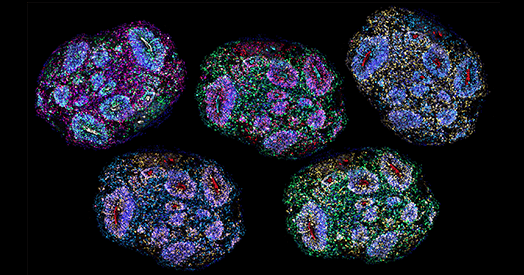
This response was more frequent when responding to unfamiliar urine and decreased with repeated exposure to the same urine, increasing again when encountering urine from another individual. The researchers also found that these BFAs were stored in renal lipid droplets, a finding that has been noted for over a century without a clear biological role.
This suggests that kidney lipid droplets may function as a reservoir for BFA-containing lipids, helping to maintain an individual-specific chemical profile in urine. While the study does not definitively prove that cats use these fatty acids for individual recognition, it opens up new avenues for research into the chemical communication strategies employed by felids.
Written by urgent.news from Phys.org's reporting — not their text. Machine-written — may contain errors; check the original before relying on it.