Episode 180: The X-59 Goes Supersonic: What’s Next?
NASA’s experimental X-59 airplane went supersonic for the first time on June 5, 2026. What's next for the mission that aims to reopen the skies to quiet commercial supersonic flight? The post Episode 180: The X-59 Goes Supersonic: What’s Next? appeared first on NASA Science .
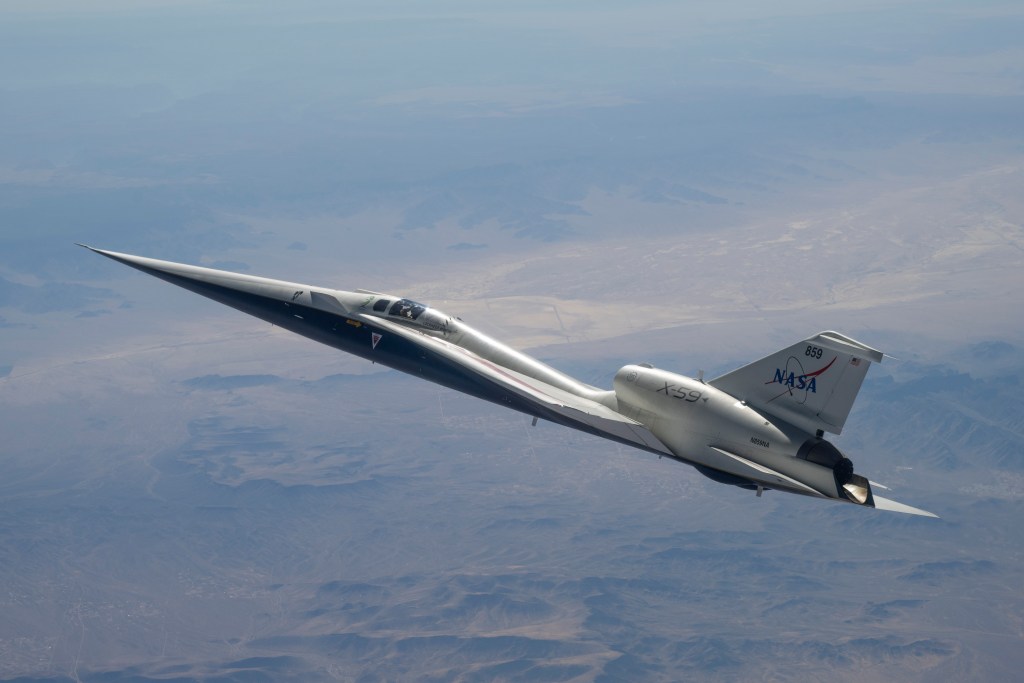
In episode 180 of Small Steps, Giant Leaps, host Andres Almeida discusses the recent accomplishments of NASA's X-59 quiet supersonic research aircraft with research test pilot Jim Less, known by callsign Clue. The X-59, designed to break the sound barrier and demonstrate quiet supersonic flight, underwent its first successful supersonic flight on June 5, 2026.
Less explained that the aircraft's primary focus now is to evaluate its performance at various speeds and altitudes leading up to the planned future community overflights. He mentioned that the team is still in the process of calibrating the aircraft's pitot-static instruments due to disturbances in airspeed and altitude readings caused by the aircraft's disturbance of the air.
Less also highlighted how the X-59's unique design, without traditional cockpit windows, has required extensive simulator training and adaptation for pilots. With the aircraft capable of reaching 1.40 Mach, the benchmark for a quiet sonic thump, Less emphasized the importance of proving that the technology works before attempting overflights through communities.
Written by urgent.news from NASA Science's reporting — not their text. Machine-written — may contain errors; check the original before relying on it.