1968 Montana shrimp stocking led to salmon collapse and lost food for eagles and bears
In 1968, the introduction of opossum shrimp into Montana's lakes triggered a dramatic decline in the kokanee salmon population. The shrimp fiercely competed with young salmon for essential zooplankton, resulting in a disarrayed food chain. Meanwhile, the lake trout population thrived as they turned to the remaining salmon for sustenance. This shift irrevocably changed Flathead Lake's ecological…
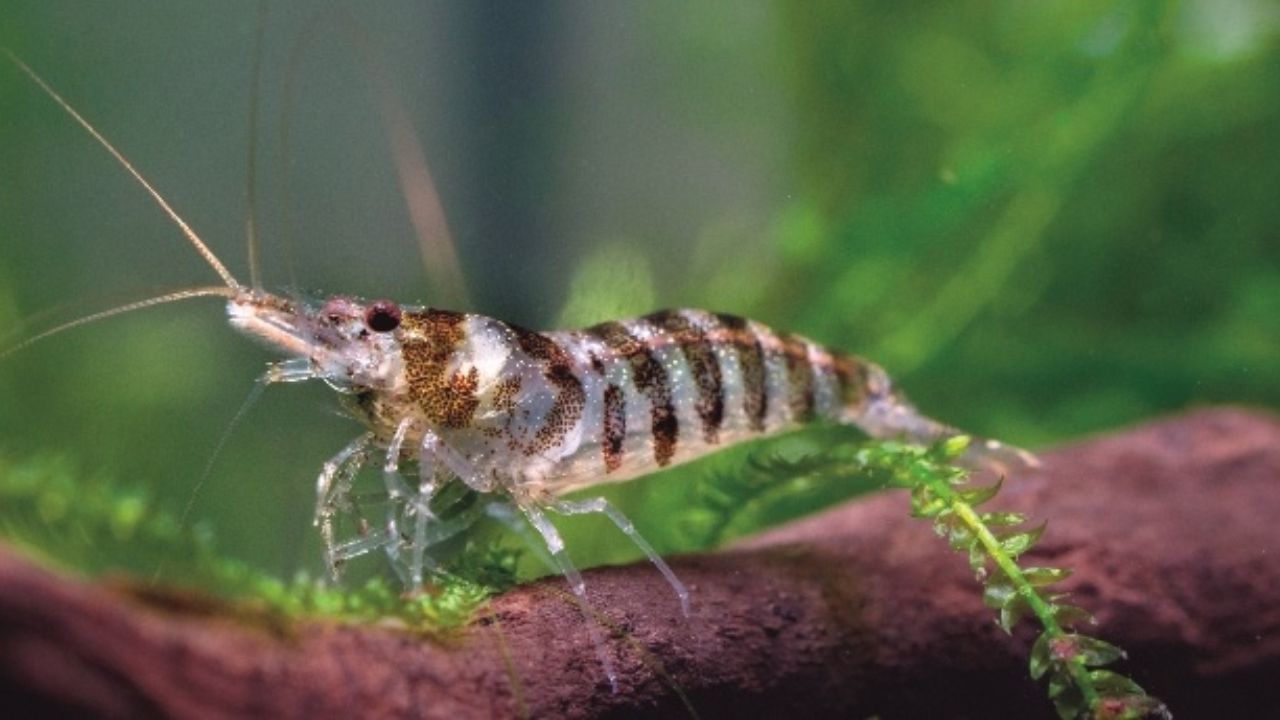
In 1968, Montana's wildlife officials introduced a non-native crustacean called the opossum shrimp into nearby lakes, hoping it would provide an additional food source to boost kokanee salmon populations. However, the decision had disastrous consequences for the entire ecosystem of Flathead Lake. The shrimp, Mysis diluviana, behaved differently than the salmon and competed with them for food, ultimately causing the salmon population to collapse.
This shift had severe repercussions for the food sources of bald eagles and grizzly bears, which relied heavily on the salmon during the autumn months. The introduction of the shrimp also led to a surge in the lake trout population, which then preyed on native bull trout and westslope cutthroat trout, pushing these species towards decline.
The ecosystem of Flathead Lake, once dominated by salmon, transformed into a deep-water fishery with non-native lake trout and lake whitefish, demonstrating the unpredictable and far-reaching risks of introducing species from one ecosystem into another.
Written by urgent.news from Times of India's reporting — not their text. Machine-written — may contain errors; check the original before relying on it.