Dolphin mother and calf observed using shells to catch fish in Australia
A small population of dolphins in Shark Bay in Western Australia have a documented history of using an unusual tool to help them catch fish: Large, empty snail shells. For the first time, scientists have now observed the same behavior in a different dolphin population on Australia’s east coast. Researchers even filmed a baby dolphin […]
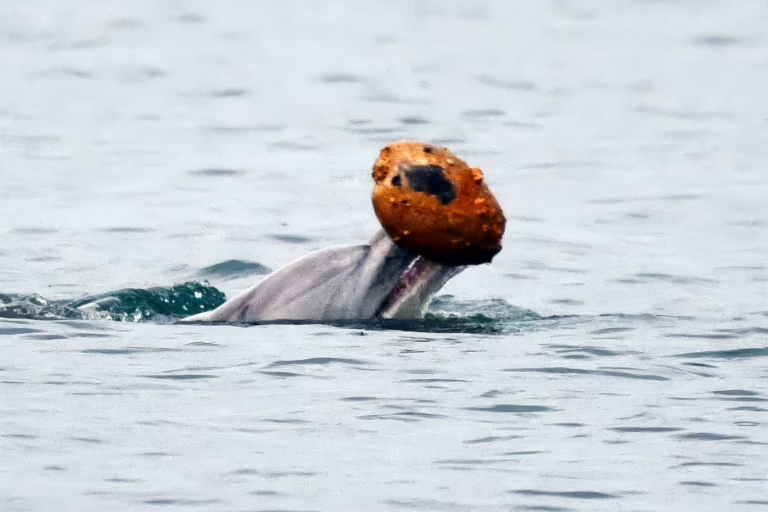
In Shark Bay, Western Australia, a small population of dolphins has long been known for their unique tool use behavior, employing large, empty snail shells to aid in catching fish. For the first time, researchers have observed the same behavior in dolphins on Australia’s east coast. In a recent study, published in Mongabay, study lead author Alexis Levengood, an animal ecology lecturer at the University of the Sunshine Coast, Australia, revealed that a mother dolphin and her baby were filmed using a shell to capture fish, suggesting that the baby may have learned the skill from its mother.
This behavior, called "shelling," involves bottlenose dolphins (Tursiops truncatus) chasing fish into the large empty sea snail shells, trapping the fish with their beak, and then raising the shell to the water's surface, allowing the fish to slide out into the dolphin's mouth. This method provides the dolphins with a competitive advantage over others who do not employ this type of tool use, as it makes it easier to catch harder-to-catch fish.
The use of this behavior was first documented in 2011, when researchers found approximately 2% of dolphins in Shark Bay exhibiting the skill, which was previously thought to be a localized behavior. Levengood's confirmation of three dolphins in Great Sandy Marine Park, Queensland, using the same method has been groundbreaking in understanding the extent of this unique dolphin behavior.
Written by urgent.news from Mongabay's reporting — not their text. Machine-written — may contain errors; check the original before relying on it.