Deadly heat pushes Japan’s farmers to go nocturnal
Once-busy midday hours are now avoided by farmers as a mortal threat, replaced by after-dark work to protect crops, livestock and themselves.
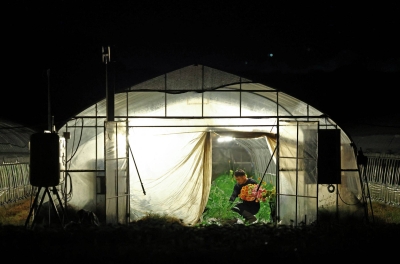
Nikki, in Tochigi Prefecture, is home to Motoaki Iijima, a flower farmer who has adapted his work to cope with dangerous heat waves. After sunset, his illuminated greenhouse emits a soft glow as he harvests pink and orange gerberas, escaping the intense daytime sun. As heat waves intensify, farmers across Japan are changing their work schedules to avoid the most dangerous hours.
Motoaki, 36, converted his family's rice farm into a flower farm a decade ago out of necessity after a worker suffered heatstroke. He now works outdoors at night, stopping only when the morning sun becomes too harsh. The hours around dusk provide a precious window to be outside before the heat returns. Farmers worldwide are shifting work to cooler nighttime and early-morning hours to combat frequent and intense heat waves.
In Japan, around 70% of farmers are 65 or older, making them particularly vulnerable to heat stress, and high humidity amplifies the danger. A record 59 agricultural workers died from extreme heat in 2024, more than double the number in 2021. Nearly 60% of farmers in their 20s to 50s have either experienced heatstroke themselves or know someone who has.
Heat exposure cost Japan's agricultural sector 926 million labor hours in 2024, translating to about $46 billion in lost income or 1% of Japan's GDP. Workers at Iijima's farm now start work up to two hours earlier, starting around sunrise. One veteran worker, 68-year-old Miyoko Asada, rushes to cut purple asters before temperatures rise.
Poultry farmer Tetsuya Usuba, who lost over 500 hens to heatstroke six summers ago, has implemented new measures such as installing fans, spraying water on barn roofs, and adding citric acid to the hens' water to help them survive the heat. New workplace regulations require employers to establish heatstroke reporting procedures and emergency response plans.
Japan is also promoting smart farming technologies to reduce workers' heat exposure. However, many farmers, like Iijima, still rely on manual adaptations. In the early morning, workers at Iijima's farm quickly check harvested flowers for wilting leaves before loading them onto trucks. As the morning sun rises, the heat returns, intensifying the challenge faced by Japan's farmers.
Written by urgent.news from Japan Times's reporting — not their text. Machine-written — may contain errors; check the original before relying on it.
Also reported by 1 other outlet
- From theme parks to airports, Japan tackles brutal summer heat asia.nikkei.com