Anwar’s UUCA move has put academic freedom on the agenda but do we know what it means? — Khoo Ying Hooi
AUGUST 19 — For a long time, writing about academic freedom in Malaysia could feel like a rather lonely exercise.I...
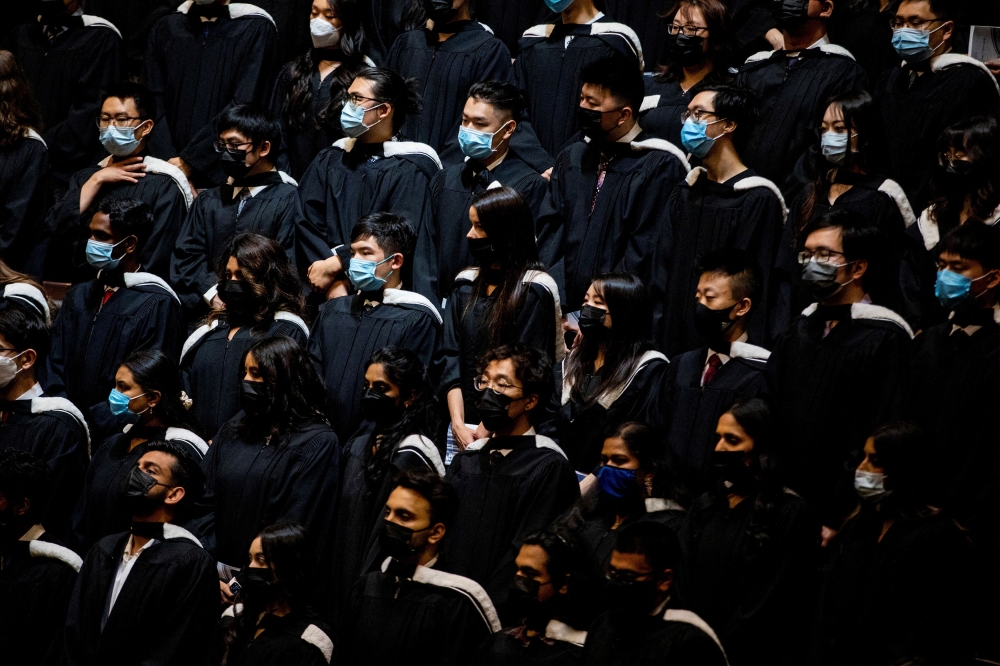
On August 19, writer Khoo Ying Hooi discussed the move by Malaysian Prime Minister Anwar Ibrahim to repeal the Universities and University Colleges Act 1971 (UUCA) and the subsequent discussions about academic freedom. However, Hooi notes that simply repealing UUCA is not enough to ensure academic freedom in Malaysia.
Hooi emphasizes that the definition of academic freedom should not be taken for granted or defined based on political convenience. She highlights UNESCO's 1997 Recommendation concerning the Status of Higher-Education Teaching Personnel as a clear reference point, which defines academic freedom as encompassing the freedom to teach, discuss, conduct research, publish results, express views, be free from institutional censorship, and participate in professional and representative academic bodies.
The author stresses that academic freedom includes the freedom to speak about the university itself, which can be uncomfortable as it may involve questioning university governance, criticizing appointment processes, or voicing concerns about government policies. She also points out that academic freedom is not merely about freedom to write or research, but also the freedom to speak about the institution itself, which can be uncomfortable.
Furthermore, Hooi notes that academic freedom is not a privilege reserved for professors, but a human right connected to the production, development, exchange, and communication of knowledge. The United Nations Special Rapporteur on the right to education, Farida Shaheed, has presented a report in 2024, which deserves more attention in Malaysia now that there is a sudden interest in academic freedom.
Shaheed's report understands academic freedom broadly, including the freedom to access, produce, and disseminate information, think freely, and develop, express, and engage with different forms of knowledge. It applies both within the academic community and in engagement with the wider public. Notably, Shaheed emphasizes that academic freedom extends beyond university gates, meaning that students should also have academic freedom to express themselves on matters they study without fear of reprisal.
Written by urgent.news from Malay Mail's reporting — not their text. Machine-written — may contain errors; check the original before relying on it.