Colombia Will Test Technology to Reduce Methane Gas Produced by Livestock Farming
It is nothing new to know that methane emissions from livestock farming come mainly from the digestive processes of ruminants (such as cows and sheep) and from their manure, and that this gas, which is generated in large quantities around the world, is a powerful climate pollutant. What is new is that Colombia will be […]
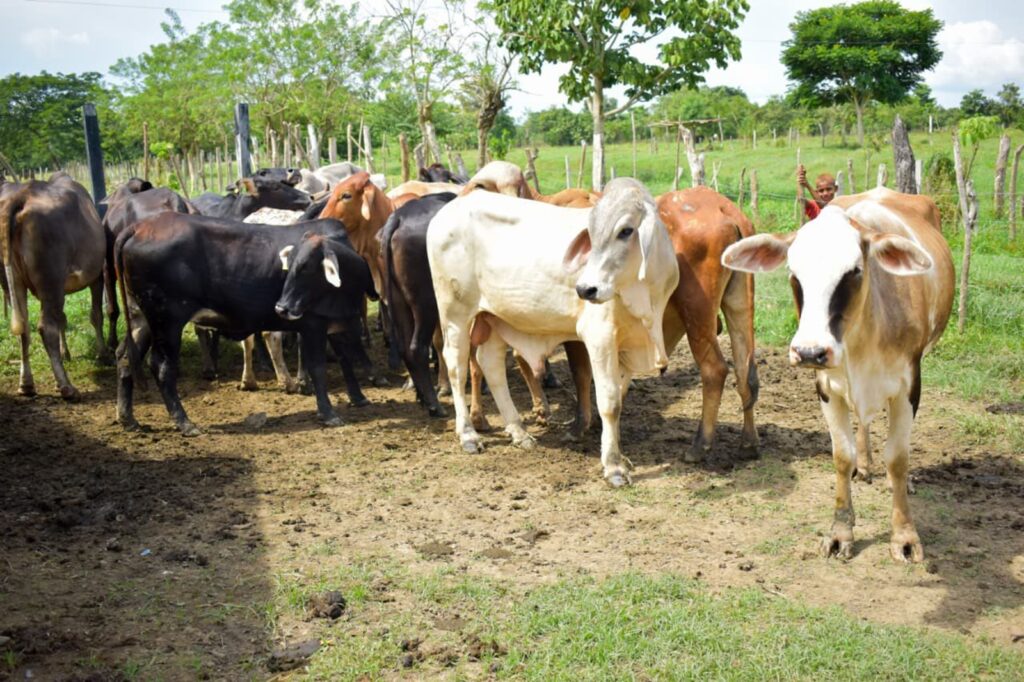
Methane emissions from livestock farming primarily result from ruminants’ digestive processes and manure, and are a potent climate pollutant. Colombia will pioneer a Latin American effort to test AlgaToro, a seaweed-derived ingredient that could cut methane production by over 80% during cows’ digestive processes. The technology aims to complement existing methods like dietary improvements, biodigesters for manure treatment, and genetic advancements in animal efficiency.
Seaweed, including bull kelp, provides essential nutrients for livestock while potentially reducing methane emissions by up to 95% without harming animal health. Alqueria, a Colombian dairy company, will collaborate with Australian firm SeaStock, capitalizing on the latter's expertise in seaweed solutions and Alqueria's extensive experience in Colombian farming.
The partnership seeks to adapt this innovation to Colombia's tropical grazing conditions, aiming to boost the sustainability and competitiveness of dairy production.
Written by urgent.news from Colombia One's reporting — not their text. Machine-written — may contain errors; check the original before relying on it.