What Easter Island’s fallen moai can teach us about environmental destruction
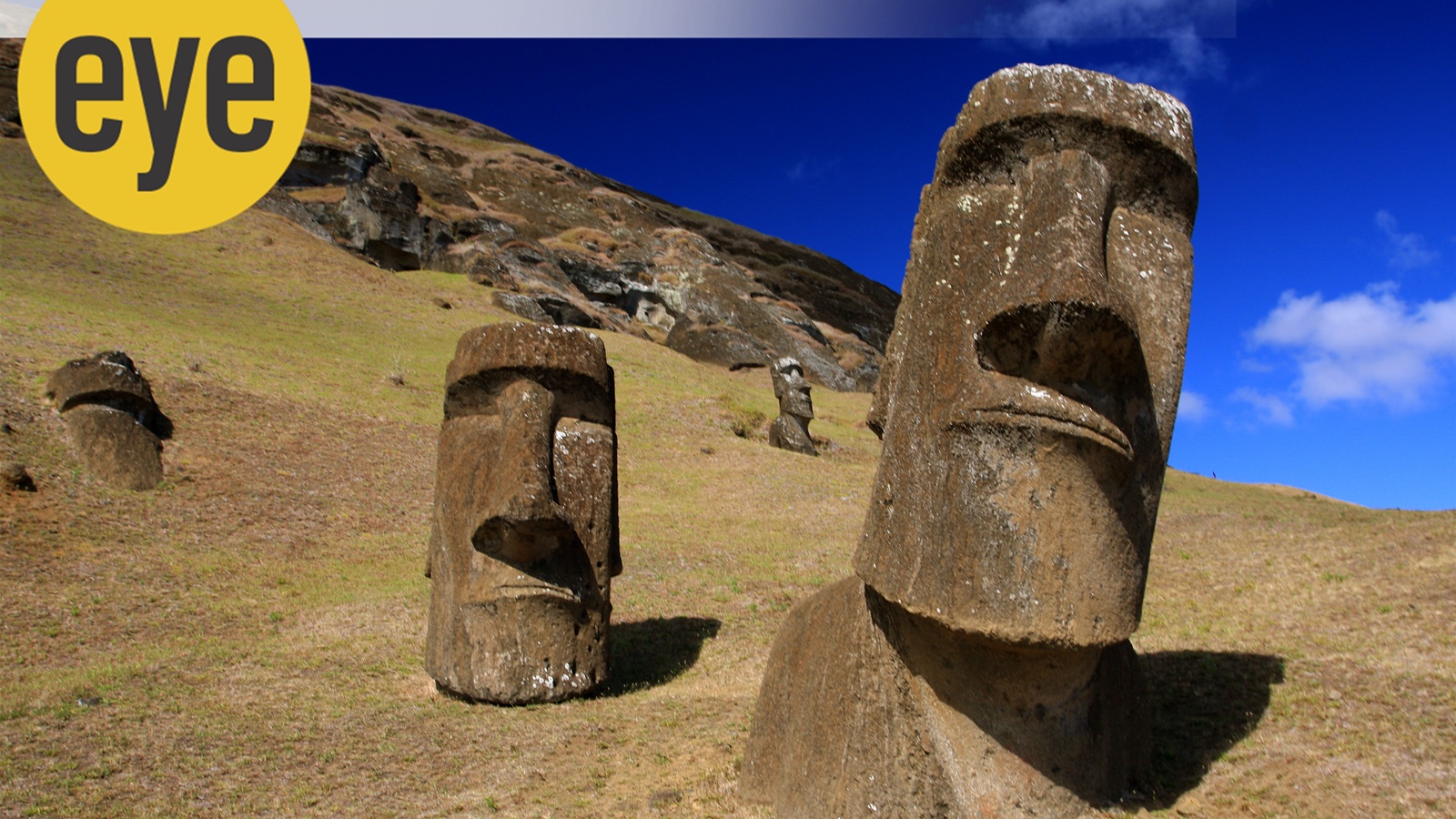
On the remote island of Rapa Nui, 3,500 kilometers off the Chilean coast, lies the iconic moai statues, a stark reminder of environmental destruction. These ancient stone figures, once revered as connections between the living and the dead, now stand toppled, a testament to the island's tragic decline. Settled by Polynesians around the first millennium, the island once boasted an abundance of trees and birds.
However, as the population surged, so did resource competition, leading to societal collapse. Theories abound, from Jared Diamond's controversial Ecocide Hypothesis, which suggests cannibalism due to deforestation for moai transportation, to the notion that Polynesian rats decimated remaining vegetation and introduced diseases to the Polynesian population.
European settlers exacerbated the situation with diseases and the slave trade, resulting in a population drop from 15,000 to 2,000-3,000 between the mid-1600s and 1772. Despite ongoing debates on the extent of environmental devastation, the overarching message is clear: unsustainable resource exploitation and reliance on superstition can lead to catastrophe.
This cautionary tale serves as a stark warning for modern societies grappling with similar issues, from deforestation to warfare over valuable resources.
Written by urgent.news from The Indian Express's reporting — not their text. Machine-written — may contain errors; check the original before relying on it.