Ceuta in turmoil: Disinformation-driven migrant crisis fuels more disinformation
Following the migrant crisis in Ceuta, when tens of thousands of Moroccans entered the Spanish enclave only to disappear just as suddenly, conspiracy theories about the secret designs of Morocco, Spain, Russia, and even Israel spread across the global information space. European far-right activists and teams of Kremlin bots played an active role in this political panic. Maxim Matusevich, an…
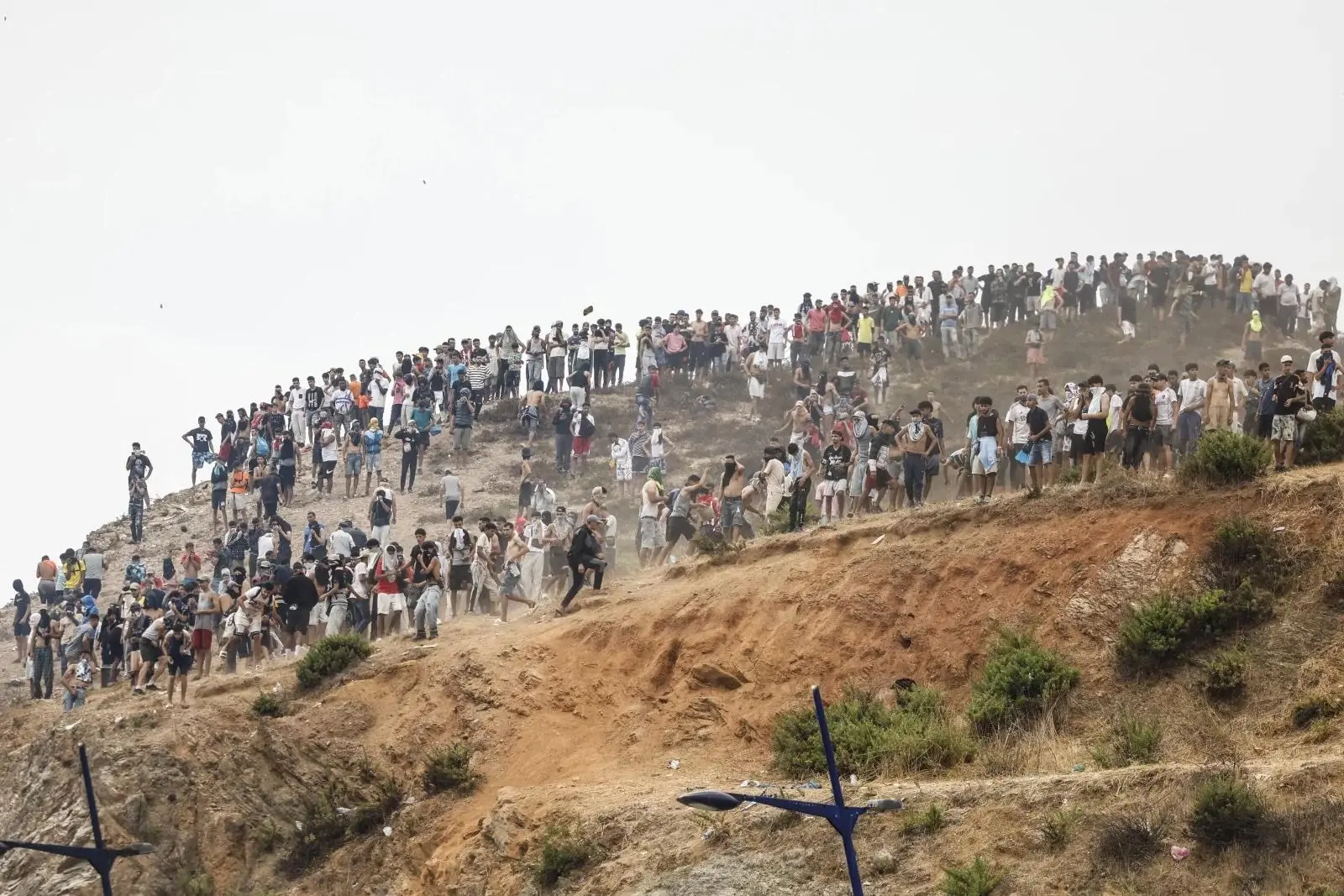
Ceuta, a Spanish enclave on the African coast, experienced a mass migration crisis in late July 2026. Thousands of people attempted to cross the border from Morocco, with Spanish authorities estimating around 49,000 people crossed in a single day. Military intervention was necessary as tensions escalated, and over 80 migrants tragically lost their lives during the chaos. However, most of those who entered Ceuta soon returned to Morocco, causing the "invasion" to be short-lived.
The crisis was primarily driven by disinformation spread through social media platforms such as Instagram, TikTok, and Facebook. Rumors circulated that the Spanish border was open, which led to a "snowball effect" as successful crossings generated new videos, shaping expectations and encouraging more people to attempt crossing. WhatsApp and other closed networks made it difficult to trace the rumor's origin, challenging the conventional notion of a single disinformation author.
The events in Ceuta had significant political consequences across Europe. The incident highlighted how disinformation can take on a life of its own, using the technology of smartphones to create a false perception of changed border conditions. This phenomenon is not new, as migrants have historically relied on information from those who have traveled before them. Despite the tragic outcomes, the Ceuta crisis serves as a reminder of the power of disinformation in shaping public perception and decision-making.
Written by urgent.news from The Insider's reporting — not their text. Machine-written — may contain errors; check the original before relying on it.
Also reported by 2 other outlets
- Spain to move 500 unaccompanied migrant children from Ceuta to mainland peopledaily.digital
- Spain plans transfer of 500 migrant children from Ceuta to mainland aljazeera.com