Autobauer: Kooperation mit Ford wird für Volkswagen zum Bulli-Bumerang
Mit Ford wollte VW Milliarden sparen und Hannover zugleich in die elektrische Zukunft führen. Doch die Rechnung ging nicht auf. Nun kämpft das traditionsreiche Bulli-Werk um seine Zukunft.
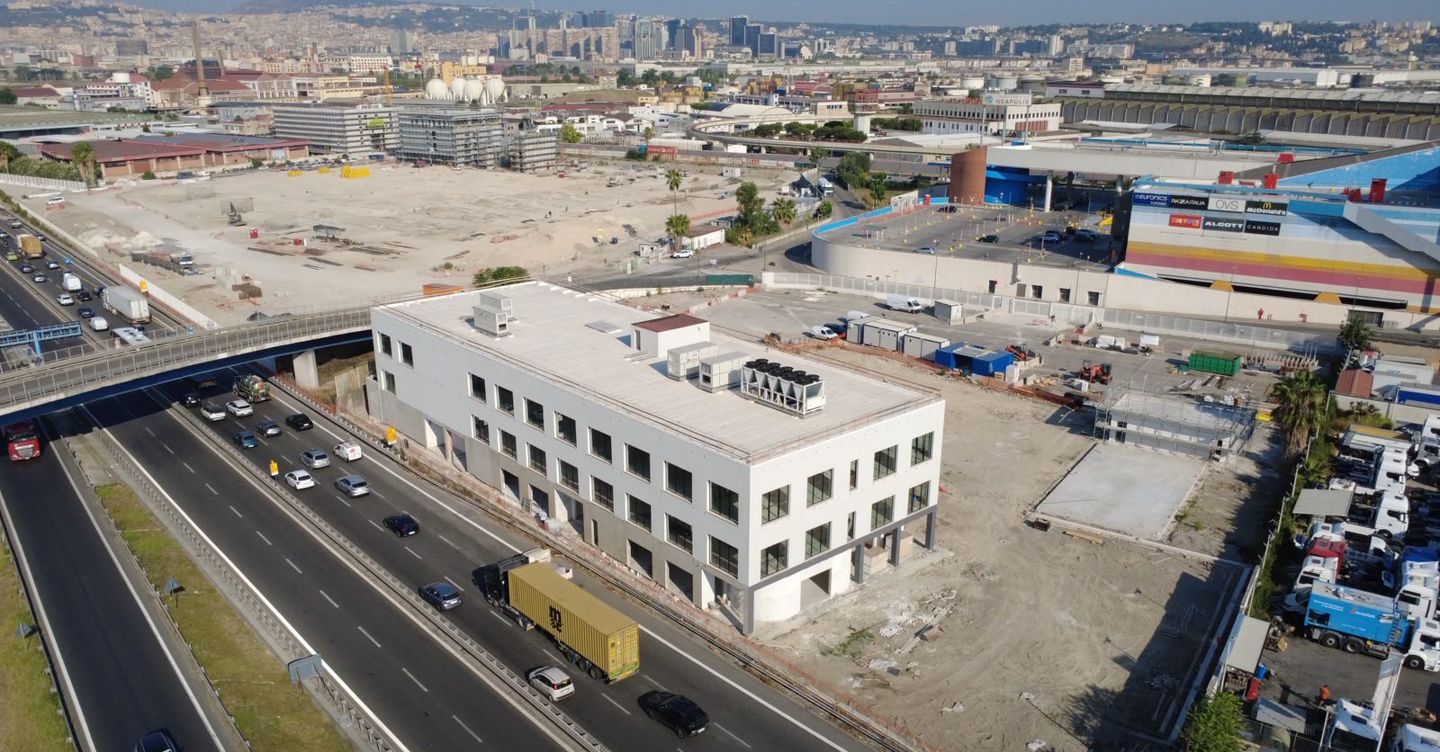
Volkswagen's CEO Oliver Blume will be touring the company's factories starting next week, explaining the future of the German locations to business meetings. One particularly tricky case is being handled by Finance Director Arno Antlitz: Hannover. It is at this very location that a decision made by Blume's predecessor, Herbert Diess, has now become a proverbial bumerang.
Diess had agreed to a cooperation deal with Ford for building lighter commercial vehicles. This deal has turned into a significant issue for Hannover's 12,000 employees. In a confidential presentation to the executive board, the Hannover commercial vehicle plant is listed alongside Emden, Zwickau, and Audi's Neckarsulm site as being particularly expensive to run.
According to sources within the company, factory costs at times reached five digits per vehicle in euros. The new European benchmark aims for a figure of 3,000 euros per vehicle. The affected subsidiary, Volkswagen Nutzfahrzeuge, refuses to comment on the scale of the problem. The root of the issue at Volkswagen Hannover is quickly described: the site lacks scale.
In 2017, over 200,000 commercial vehicles rolled off the production line there. By 2025, it had dropped to around 113,500. Blume likes to emphasize that the current crisis "is not a Volkswagen crisis, it is an industrial crisis." Indeed, major European automakers are fighting price wars in China, facing tariffs in the US, weak demand for electric cars, and geopolitical pressures similar to those affecting the whole industry.
These external circumstances explain the situation in Hannover only partially. A significant part of the blame lies within the company itself. The story leads back to July 2019 in New York, where Diess met with then-Ford CEO Jim Hackett at a bland conference room in a mid-range hotel in Manhattan. The two powerful automakers announced several far-reaching collaborations.
Some of these are already outdated, such as the alliance between VW and Ford on autonomous driving, which both sides ended in 2023 due to high costs. Another concerns the business with lightweight commercial vehicles, which has defined Volkswagen's Hannover plant for decades. This deal remains in place today. Diess and Hackett decided that their two car companies would split the development of lightweight commercial vehicles.
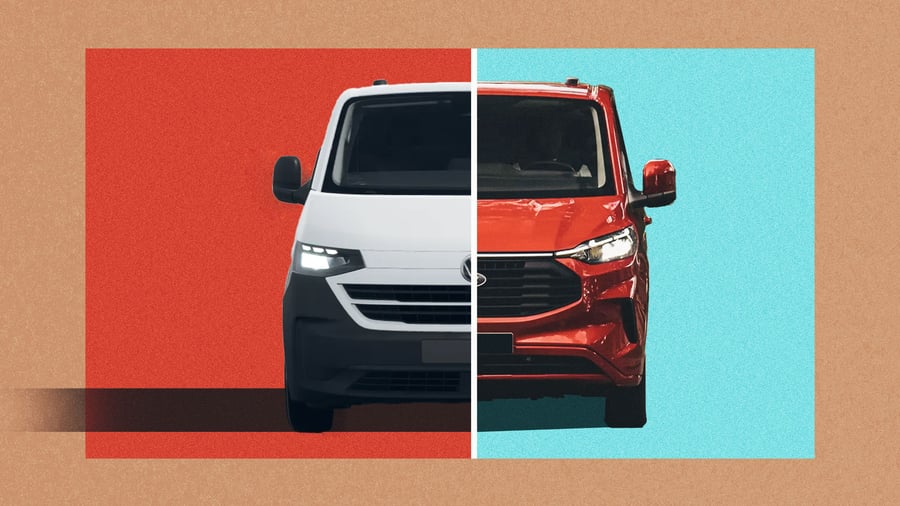
Volkswagen took responsibility for the Caddy and corresponding Ford sister models. Ford developed the successor to the VW Transporter T6.1 based on the Transit Custom. Hannover is stuck in the trap of fixed costs. For Volkswagen as a group, the deal had a clear advantage: development costs could be shared, volumes consolidated. The word "efficient" was used several times in New York.
For Hannover as a location, the agreement had a crucial disadvantage: the main volume driver of the plant disappeared. The current generation of the VW Transporter, T7, is no longer built in Hannover but in Ford's Turkey plant. Technically, the current Bulli is closely related to the Transit Custom and its "Tourneo Custom" sister model, with platforms, engines, and essential drive technology coming from Ford.
After the classic transporter vanished, only the electrically-powered ID.Buzz and higher-priced Bulli variants Multivan and California, both based on VW technology, remained. Diess believed this was manageable at the time. Hannover was supposed to be strengthened by a shift towards electric mobility. Besides the electric bus, VW planned a much larger future project there, tentatively named "Landjet."
Audi was to develop an electric luxury model, with variants for other group brands planned later. However, the plan got further and further delayed, and eventually became obsolete due to software problems, delays in the new vehicle architecture, and changed group models. When discussing the "Landjet" today, executives smile knowingly.
They wave dismissively at the ID.Buzz, which still hasn't reached the volumes Volkswagen expected. Especially in the US, orders are falling short of expectations. According to internal sources, 2025 saw over 60,000 electric mini-buses produced in Hannover, but this is significantly less than the numbers projected during plant planning.
As recently as 2022, over 100,000 ID.Buzz were reportedly being discussed. This leaves Hannover in a trap of fixed costs: the plant is designed for significantly higher volumes but is producing far fewer. "We're missing a product," says a senior decision-maker about the situation at the location. The blame is also felt at the Hannover plant.
"I consider it unfortunate what has happened," says a high-ranking executive about the location's predicament. The current transporter is now described as "just a Ford model, not a VW." Ford has benefited the most. 2023 saw Volkswagen still selling more Transporters than Ford. By mid-2024, the situation had flipped dramatically, with Ford selling around 200,000 Transporters compared to Volkswagen's barely 120,000.
The near-identical Ford now enjoys about 65% more sales. In the first half of 2026, the picture for Volkswagen has only slightly improved: Ford still trails by nearly 98,000 vehicles. "Commercial customers are price-sensitive," says Stefan Bratzel, head of Center Automotive Management.
Written by urgent.news from Handelsblatt's reporting — not their text. Machine-written — may contain errors; check the original before relying on it.