As Xi’s US visit approaches, basic details of planned AI talks remain uncertain
With Chinese President Xi Jinping’s planned visit to the United States just weeks away, Washington and Beijing are still struggling to arrange a hoped-for dialogue on artificial intelligence, with the venue, participants and scope of the talks yet to be settled. Two sources familiar with the discussions said Washington had yet to decide which part of the US government should take the lead. The…
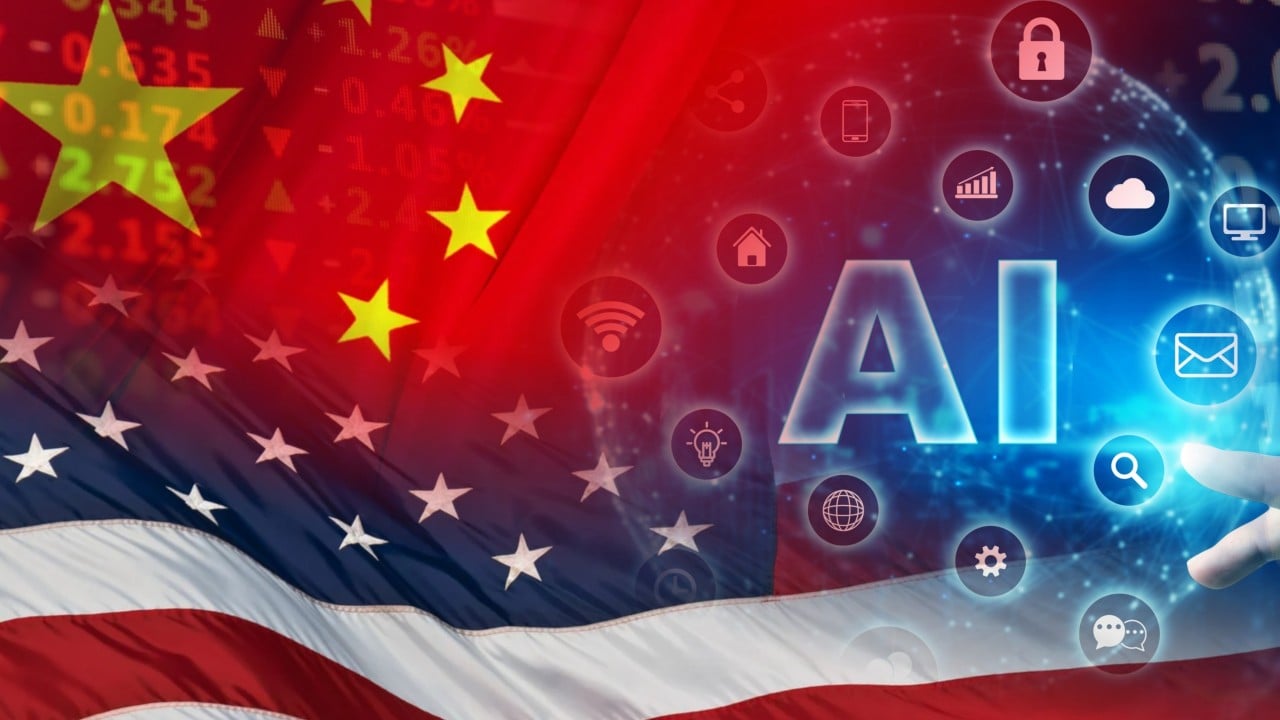
As Chinese President Xi Jinping's arrival in the United States draws near, critical details regarding their planned artificial intelligence discussions remain ambiguous. The venue, participants, and extent of the talks continue to evade resolution. Washington has yet to determine which governmental department will spearhead the dialogue, with no consensus reached on whether to involve technical experts or private-sector representatives.
The intricate nature of AI policy necessitates the participation of experts from AI laboratories rather than merely senior diplomats, according to one well-informed source.
Among the various stakeholders in the AI sector on the US side, such as OpenAI, Anthropic, Google DeepMind, and Nvidia, and on the Chinese side, including DeepSeek, Alibaba, and Baidu, it remains uncertain whether they will officially participate or merely play secondary roles. Both parties appear divided over the dialogue's scope, with Beijing advocating for a broader conversation and Washington preferring to concentrate on AI safety.
Despite these differences, sources indicate that both Washington and Beijing are striving to finalize the September meeting dates before the end of the present month.
Treasury Secretary Scott Bessent, who has been guiding discussions on the broader US-China economic relationship, is expected to lead the US discussions, leveraging his central role in developing the administration's domestic AI safety framework. The Treasury Department expressed optimism about the US using its position as the global leader in AI to share expertise with the world's second-largest economy.
Bessent emphasized last June that China's willingness to engage in AI discussions was a testament to America's technological supremacy, stating, "I could tell you that the reason the Chinese are willing to have a discussion on AI is because we are ahead, so we have to stay ahead."
The dialogue on AI governance was initiated following a meeting between former US President Donald Trump and Xi in May. Recently, the Chinese embassy in Washington underscored the necessity for collaboration between the two nations in developing and enhancing AI governance to ensure the technology serves social progress and common welfare.
However, the bilateral talks are unfolding amid a growing US-China rivalry over competing perspectives on global AI development, with Washington pushing its Pax Silica supply chain initiative and China promoting its World Artificial Intelligence Cooperation Organisation.
China favors a technical discussion on AI risks, testing, and governance, aiming to avoid transforming the talks into yet another debate over US chip controls and technology restrictions. In contrast, Washington seeks to address AI risks without compromising its commercial leadership. A State Department official highlighted that the US is actively collaborating with global partners to promote responsible, pro-innovation, and pro-growth AI development through bilateral and multilateral forums.
Jacob Helberg, the architect of Pax Silica and the US Under Secretary of State for Economic Affairs, expressed hope that the US-China dialogue on AI governance would identify areas for constructive engagement between the two sides despite their escalating rivalry.
Written by urgent.news from South China Morning Post's reporting — not their text. Machine-written — may contain errors; check the original before relying on it.
This story
This is one outlet's version. Read the fullest account.