Archeologists used to think women in prehistory wielded no power. Genetic data is upending that idea.
For more than 150 years, leading archaeologists have assumed that women of the past never assumed roles of power. New genetic data shows how flawed that interpretation is, says Dr. Rachel Popey .
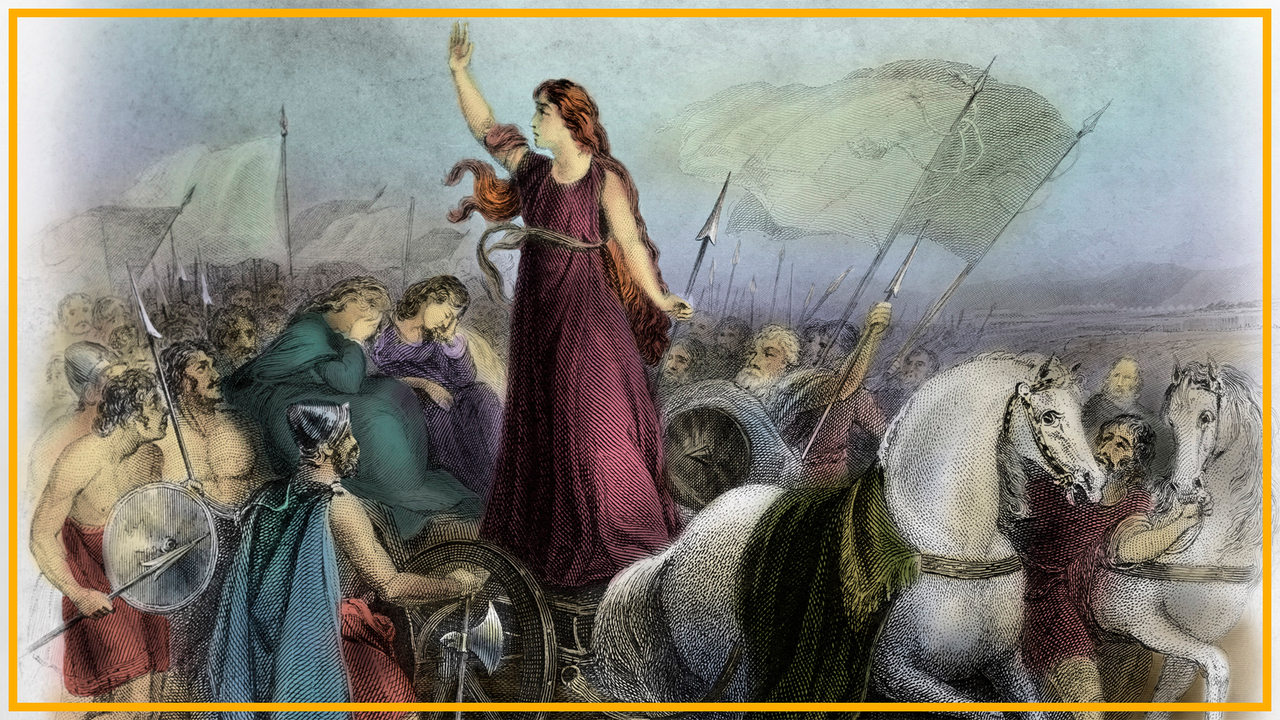
For much of the 20th century, archaeologists held the belief that women in prehistory had little power. However, recent advancements in ancient genomics are challenging this long-held view. In 1801, a grave near Stonehenge was initially identified as that of a man, but subsequent DNA analysis in 2025 revealed the remains belonged to a skilled goldsmith, a woman.
This groundbreaking discovery is just one of many examples where genetic data is uncovering a more intricate pattern of gender roles in our prehistoric past. Traditional notions of male dominance in ancient societies have been difficult to shake, with some even dismissing the findings. Despite these challenges, the evidence supporting women's influential roles in prehistoric communities is becoming increasingly clear.
Written by urgent.news from Live Science's reporting — not their text. Machine-written — may contain errors; check the original before relying on it.