New Zealand's Himalayan tahr grew from five survivors to tens of thousands
Himalayan tahr were introduced to New Zealand's South Island by British aristocrats in pursuit of sport hunting back in 1904. Quickly multiplying, these creatures turned into an invasive species, wreaking havoc on native alpine ecosystems. Control measures, including government-led aerial shooting, have not proven entirely effective, creating a challenging situation for conservationists and…
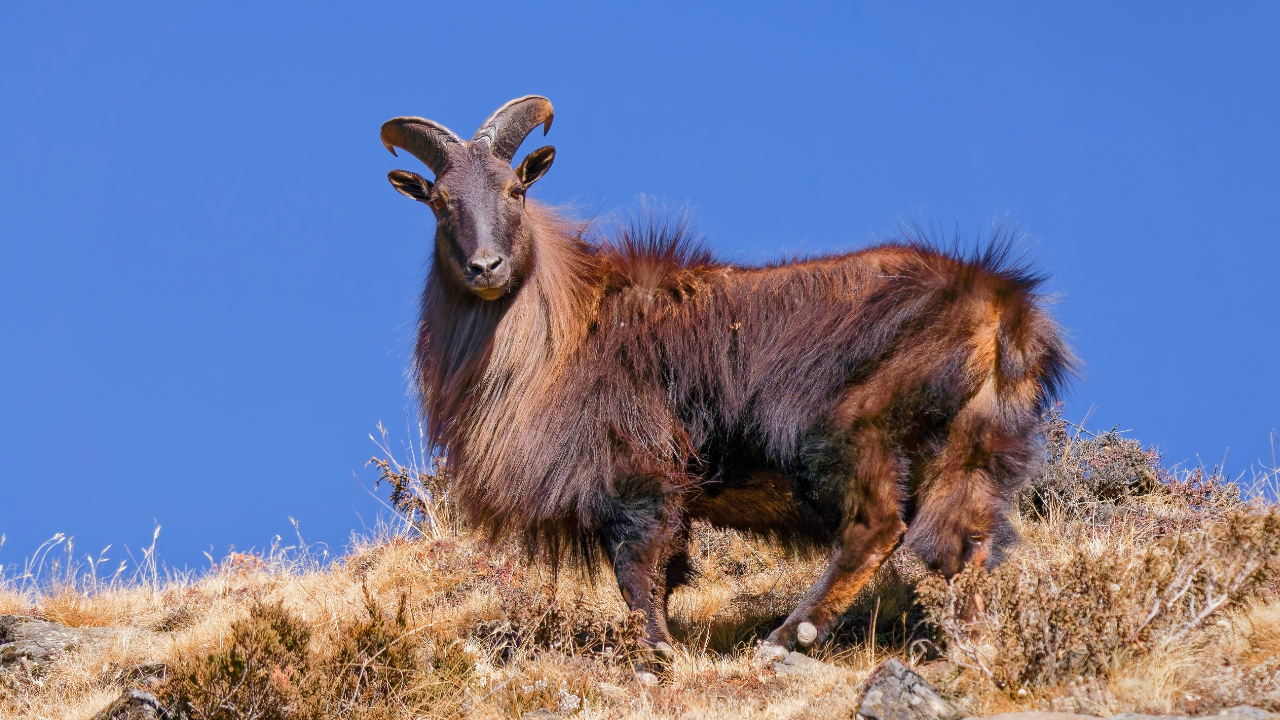
In 1904, a British aristocrat gifted six Himalayan tahrs from Woburn Abbey to New Zealand authorities with the goal of providing sport hunting opportunities. Unfortunately, only five tahrs survived the rough sea journey to the island nation. These five animals, released near Mount Cook, marked the beginning of an invasive species problem that has persisted for over a century.
The Himalayan tahr, native to Asia, was classified as near threatened by the International Union for Conservation of Nature in its natural habitat. However, in New Zealand's Southern Alps, the tahr population has grown tremendously and is now considered a pest. The tahr's ability to adapt to the high-altitude terrain of New Zealand and lack of natural predators has allowed its numbers to explode, leading to concerns among conservationists and land managers.
As the tahr population expanded, they began damaging alpine plants such as the Mount Cook lily and tall snow tussocks. The government removed the tahr’s protected status in 1930 and implemented culling programs to control their numbers. Intensive aerial shooting in the late 1960s reduced the population by an estimated 90 percent, leaving around 2,000 tahrs in the wild.
However, culling efforts were later reduced, and the tahr population quickly rebounded, reaching tens of thousands today. The Department of Conservation now aims to keep the wild population below 10,000 animals. This ongoing conflict between conservation and hunting interests highlights the lasting ecological consequences of an initially well-intentioned introduction.
Written by urgent.news from Times of India's reporting — not their text. Machine-written — may contain errors; check the original before relying on it.