5-year-old brain organoids can sense the passing of time
Brain organoids have been grown and studied for five years, the longest time to date, and their activity suggests they had a sense of time going by
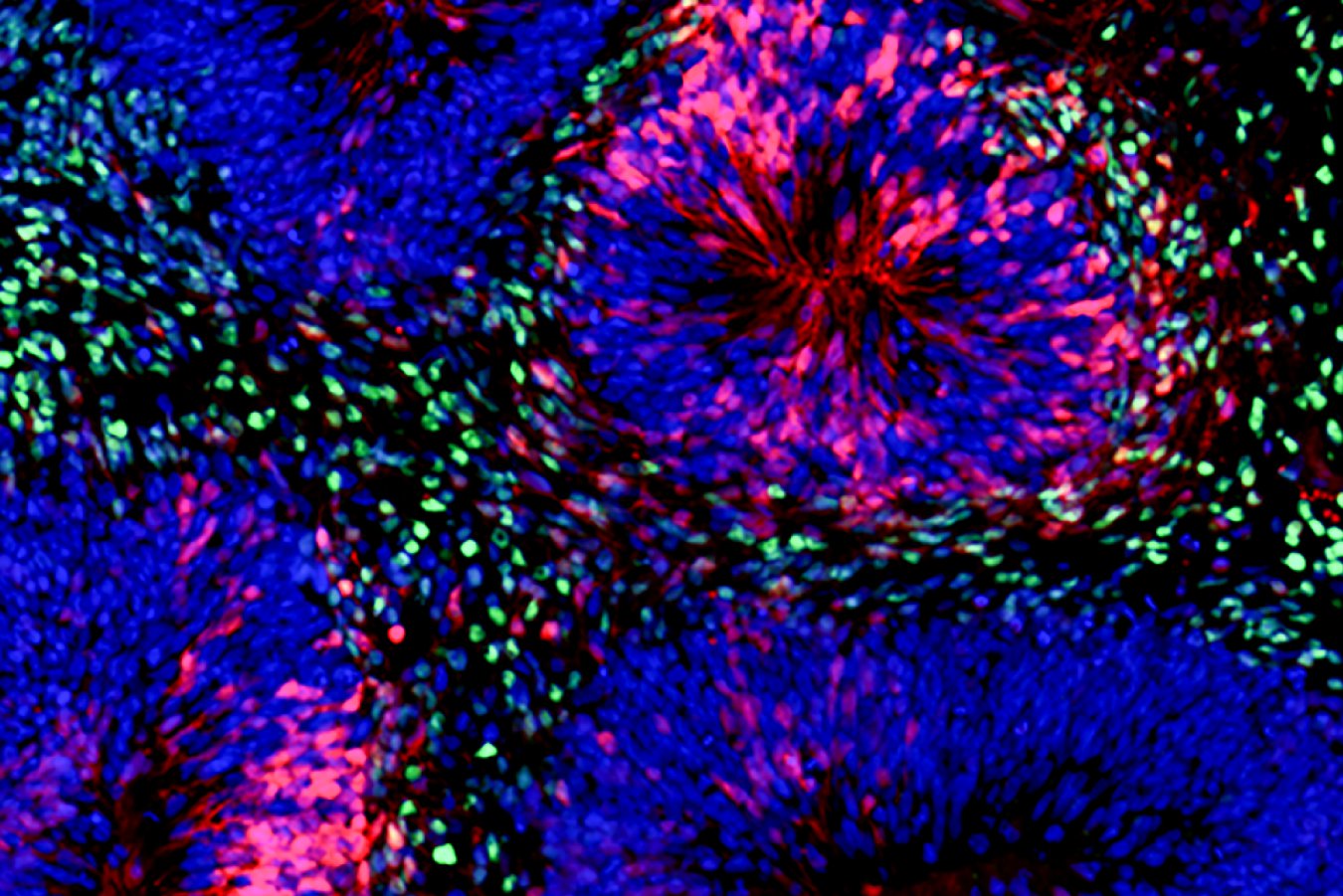
Scientists have grown brain organoids, miniaturized versions of the cerebral cortex, for an unprecedented five years. These organoids, which mimic the development of a four-year-old child's brain, exhibit an aging profile consistent with that age group. The research team from Harvard University, led by Paola Arlotta, analyzed the genetic activity and epigenetic marks in these long-lived organoids.
The findings show that the organoids' genetic patterns align with those of a three to six-month-old fetus, and later, they match the activity seen in the cerebral cortex of a typical four-year-old. This breakthrough demonstrates that brain organoids can not only be maintained for an extended period but also display an aging process reflective of human brain development.
Such capabilities could provide valuable insights into the onset of conditions like autism and epilepsy during the later stages of brain development.
Written by urgent.news from New Scientist's reporting — not their text. Machine-written — may contain errors; check the original before relying on it.