What Can We Actually Find on an Exoplanet? Part 2: A Machine to Find Another Earth
The Habitable Worlds Observatory is being built for one purpose: to directly image another living Earth. Inside the coronagraph that must block ten billion times the planet's light, the picometer-stable mirror we don't yet know how to build, and the messy problem of reading an atmosphere.
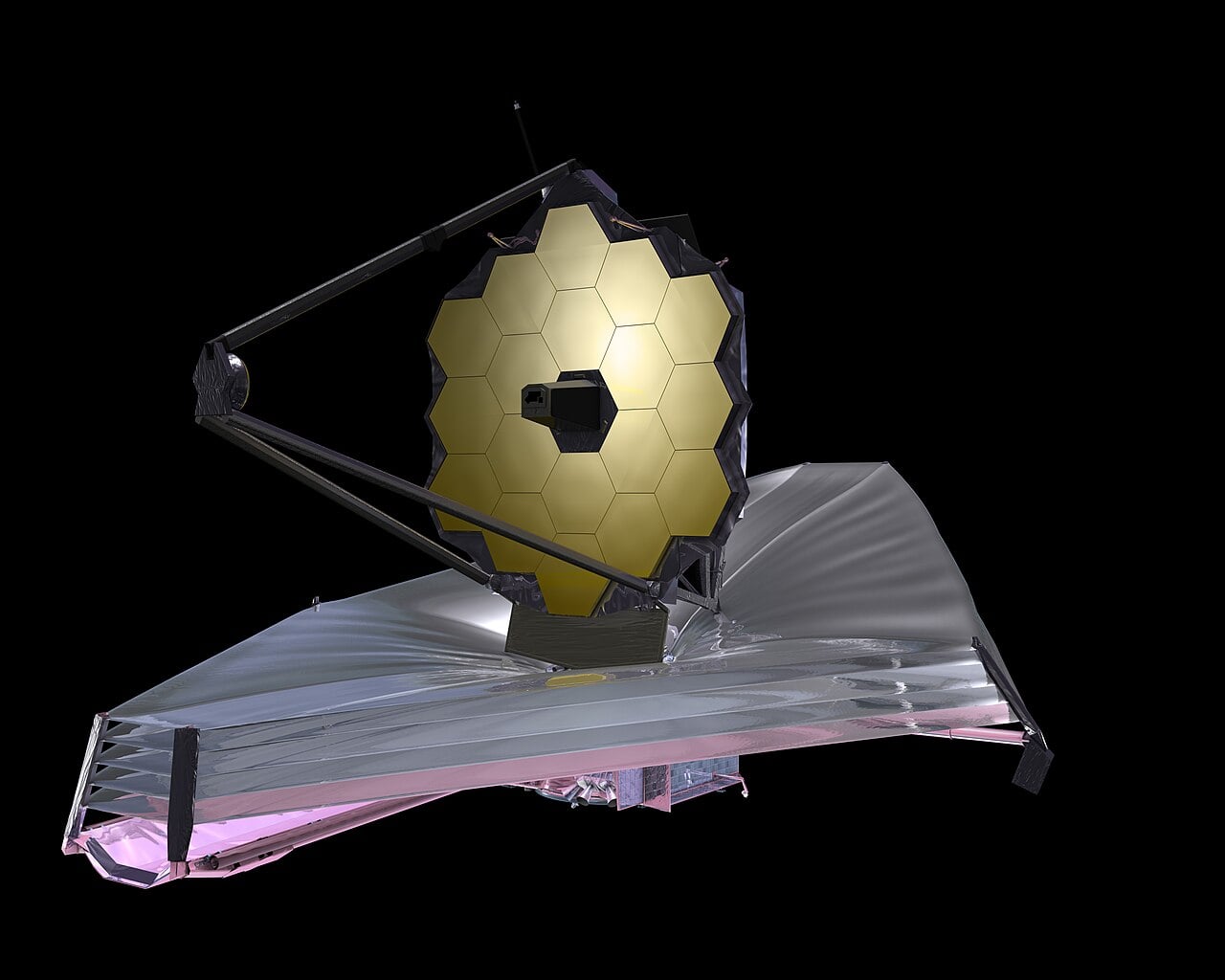
This article, Part 2, delves deeper into the capabilities of the next generation of telescopes designed to search for exoplanets like Earth. The James Webb is not the last telescope to be built; the Nancy Grace Roman Space Telescope will follow, primarily surveying deep universe cosmology. However, the focus here is on the Habitable Worlds Observatory (HWO), a telescope that will likely be renamed after a famous scientist.
The HWO is essentially a super-James Webb, designed to directly image exoplanets and identify potential biosignatures. To achieve this, the HWO must carry a coronagraph, an instrument that blocks out the parent star's light, allowing the planet to be imaged directly. Building such an instrument requires extraordinary precision, as the HWO must be capable of picking out a planet that is ten billion times fainter than its star.
The HWO's mirror must maintain its shape to within picometers, a task that is currently beyond our technological capabilities. This would be like holding a surface flat to the width of a human hair, even when the telescope is floating in space. Additionally, identifying potential biosignatures is not only a technological challenge but also a theoretical one.
The interpretation of data from the HWO will require sophisticated models of exoplanet atmospheres, which are still uncertain and subject to significant variation. Despite these challenges, the HWO is designed to find and directly image at least 25 potentially habitable worlds, making it a significant step forward in our quest to find another Earth.
Written by urgent.news from Universe Today's reporting — not their text. Machine-written — may contain errors; check the original before relying on it.