In praise of zealotry
Early feminists like Mary Astell and Catharine Macaulay refused their male peers’ advice to remain polite in debate. Why? - by Geertje Bol Read on Aeon
In 1706, an Englishwoman named Mary Astell visited her friend, Katherine, whose husband Francis Atterbury was a prominent politician and bishop. Astell's husband presented her with a sermon he had written, to which she responded with copious criticism and notes. This behaviour left Atterbury shocked, as he admitted that the woman lacked a 'decent manner' and expressed that she was 'offensive and shocking in her expressions'.
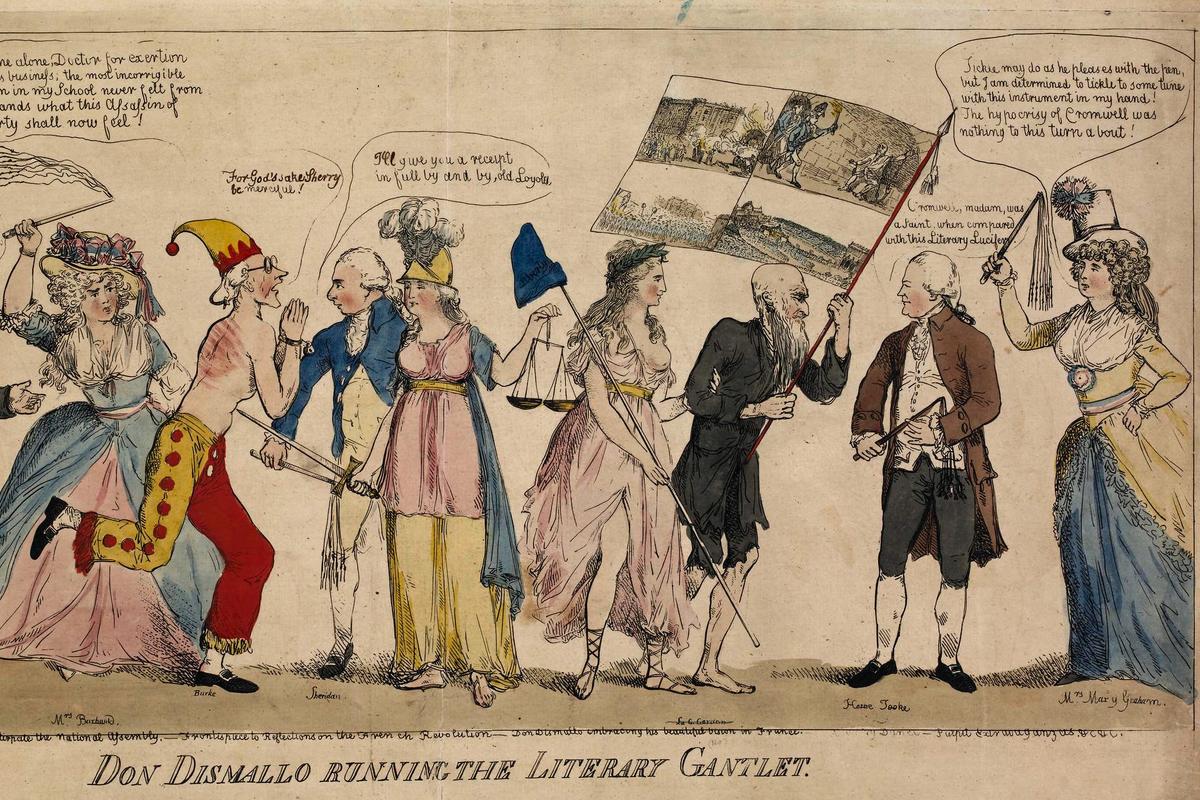
Astell, however, was used to such treatment, as she had been called 'offensive, irritating and impolite' throughout her career as a partisan pamphleteer in the early 18th century. She frequently attacked men she disagreed with, including James Owen, who dismissed her as overly angry, zealous, and 'virulent'. Astell's experience with disparagement was mirrored by another woman, Catharine Macaulay, who published a sharp pamphlet attacking Edmund Burke in 1770.
Burke, who is widely regarded as the 'father' of modern conservatism, responded by calling Macaulay 'the greatest champion amongst them ... no heroine in Billingsgate can go beyond the patriotick scolding of our republican Virago'. He invoked the image of the fierce female warrior and ridiculed Macaulay, but not without awe. Much like Astell, Macaulay also embraced her status as an impolite and zealous partisan.
In her pamphlet Moderation Truly Stated (1704), Astell admitted to liberally sprinkling her writing with 'my inflaming Oratory, Satyr and Invective'. She embraced the honest 'Quintessence of Gall' rather than the soothing 'Extract of Honey'. Similarly, Macaulay adopted an unapologetic attitude towards the criticism she faced, recognizing that it stemmed from the plainness and force of truth, which many men could not bear.
Despite their political differences, Astell and Macaulay shared a common experience as women in the political sphere, allowing them to see what their more politically included male counterparts could not.
Written by urgent.news from Aeon's reporting — not their text. Machine-written — may contain errors; check the original before relying on it.