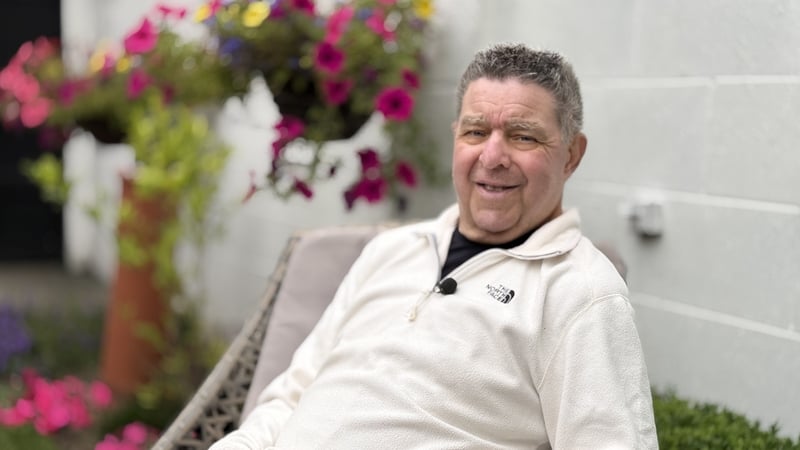
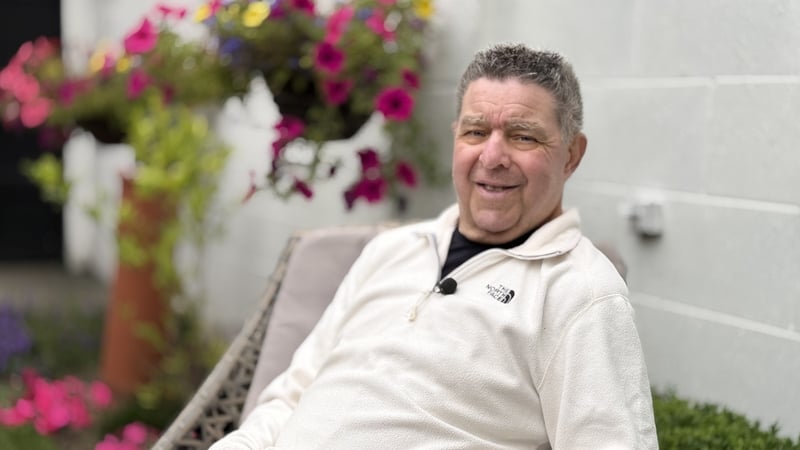
“Seeing Father Lee Tae-seok in the photo gives me strength.” The first neurologist from South Sudan was born. On the 15th, a graduation ceremony was held at the Catholic University of Sudan in Juba, South Sudan, for 29 medical students, including Dr. Achuil Lual Deng, the first neurologist in South Sudan. Dr. Lual, who was born in 1986 in Malakal, South Sudan, said in an interview, “I was inspired by Father Lee Tae-seok, who devoted himself to the poor in Uganda and South Sudan.” He continued, “I was in high school when I first met Father Lee, who was working as a doctor in Torit, Eastern Equatoria, South Sudan. At that time, I was struggling with the idea of becoming a doctor, but seeing his devotion to the poor, I decided to become a doctor.” Dr. Lual, who graduated from the Catholic University of Sudan with a degree in medicine in 2011, worked at the Juba Teaching Hospital and then moved to Australia to pursue his dream of becoming a neurologist. He studied at the University of Adelaide in Australia and returned to South Sudan in 2022 after completing his studies. Dr. Lual said, “I am very happy to be able to help my people. I am grateful to the Catholic Church and Catholic University of Sudan for giving me this opportunity.” Bishop Thomas Mangold of the Catholic Diocese of Juba also expressed his gratitude, saying, “I am very grateful to Dr. Lual for his dedication to the people of South Sudan.” The Catholic Diocese of Juba has been actively involved in the medical field in South Sudan, and in 2019, it established the Saint Theresa Hospital in Juba, with the support of the German Catholic Church. The hospital provides medical services to local residents, and it also offers training and education for medical students. Dr. Lual’s achievement is expected to have a significant impact on the medical field in South Sudan, where there is a severe shortage of medical professionals. The country has a population of about 14 million people, but it only has about 100 doctors. In particular, there are only two neurologists in the entire country, and Dr. Lual is the first neurologist from South Sudan. Dr. Lual’s dream is to establish a rehabilitation center in Juba and to provide medical services to patients with neurological disorders. He said, “I want to help my people recover from illness and return to their daily lives.”
A pioneering neurosurgeon from the Democratic Republic of the Congo was born in South Sudan, where he was a priest and doctor who dedicated his life to serving his community. His legacy lives on in South Sudan's first neurosurgeon, Joseph (36), who graduated from the University of Addis Ababa's medical school in Ethiopia and became the nation's first neurosurgeon at a hospital in Addis Ababa.
Joseph's journey began when he met and fell in love with the aforementioned South Sudanese priest, who founded the first neurosurgery program in his hometown, Tons, during a period of civil war. Joseph and his fellow priest-turned-neurosurgeon worked tirelessly to rebuild schools, hospitals, and even a brass band to help afflicted children.
Joseph, who passed away in 2010 from brain cancer, touched the lives of many through his compassionate care and innovative spirit. The Joseph's story was later documented in the film "Stop Crying, Tons," which helped to raise awareness of his incredible work. The Joseph's story has touched many hearts, including the heart of another South Sudanese individual who was inspired to support Joseph's medical education.
In exchange for a scholarship to study medicine at Seoul National University, Joseph vowed to return to his hometown and provide care for those who had not received the same opportunities. Joseph's choice of neurosurgery was particularly poignant, as South Sudan was lacking in this specialty. He vowed to use his education to provide greater care and love to his community, always keeping the memory of the South Sudanese priest who inspired him close to his heart.
Written by urgent.news from Hankyoreh's reporting — not their text. Machine-written — may contain errors; check the original before relying on it.