Nigeria: Why food prices, cost of living keep rising despite inflation drop – Economists
Economists and financial analysts have explained why food prices and the cost of living continue to rise despite Nigeria recording a second consecutive decline in headline inflation in July 2026. DAILY POST reports that Nigeria’s headline inflation declined for the second consecutive month to 15.43 percent in July from 15.91 percent in June, according to […] Nigeria: Why food prices, cost of…
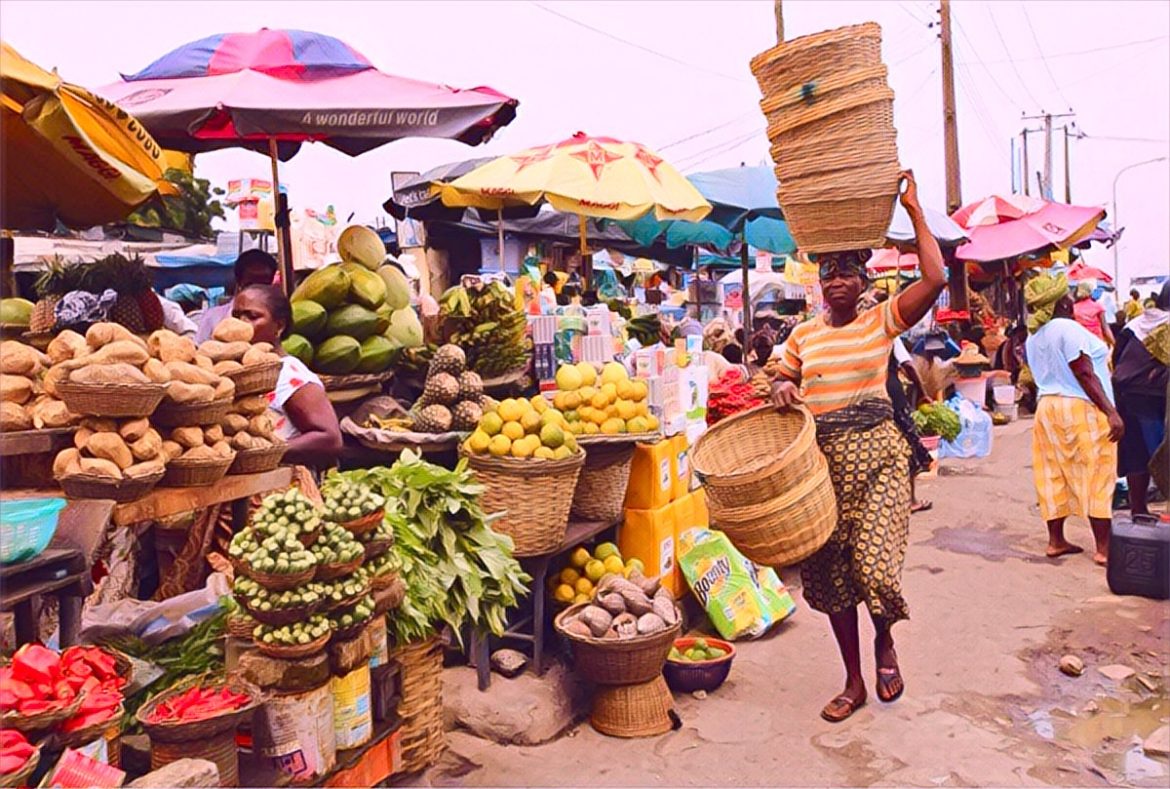
Nigeria's inflation rate has dropped for two months in a row, reaching 15.43% in July 2026, according to the National Bureau of Statistics. Despite this decrease, food prices and overall cost of living continue to rise. The latest data reveals that food inflation surged for a sixth consecutive month, reaching 20.31% in July. While Adamawa State experienced the highest food inflation at 51.36%, Nasarawa State had the lowest at 6.88%.
Economists suggest that the inflation drop may not equate to a decrease in the cost of living for Nigerians. Dr. Okechukwu Unegbu, former President of the Chartered Institute of Bankers of Nigeria, maintains that Nigeria's inflation rate remains between 35 and 40%. Prof. Godwin Oyedokun agrees, stating that while the disinflation may reflect improved macroeconomic stability, it does not necessarily mean a drop in the cost of living.
He emphasizes that food prices and other essential household expenses remain high, preventing Nigerians from experiencing significant improvements in their daily lives. Dr. Muda Yusuf, CEO of the Centre for the Promotion of Private Enterprise, acknowledges the macroeconomic stability but stresses the need for fiscal interventions to help ordinary Nigerians improve their living conditions.
Written by urgent.news from Daily Post Nigeria's reporting — not their text. Machine-written — may contain errors; check the original before relying on it.
Also reported by 1 other outlet
- Nigeria’s inflation falls to 15.43% in July as food prices rise premiumtimesng.com