Nepal’s newest national parks drive tiger recovery, but emerging concerns threaten progress
In the last four years, Nepal’s wild tiger population has experienced a historic increase. In 2022, the tiger (Panthera tigris tigris) population was numbered at 355 individuals. Now, it has reached an estimated 429 individuals — nearly a four-fold jump from 16 years ago, reports Mongabay’s Abhaya Raj Joshi. Bed Kumar Dhakal, spokesperson for the […]
In the past four years, Nepal's wild tiger population has seen a remarkable increase, rising from an estimated 355 individuals in 2022 to a projected 429, marking a nearly four-fold jump in just 16 years, according to Mongabay's Abhaya Raj Joshi. This positive trend is attributed to ongoing efforts in habitat conservation, poaching control, predator management, and the establishment of biological corridors, as reported by Bed Kumar Dhakal, spokesperson for the Department of National Parks and Wildlife Conservation.
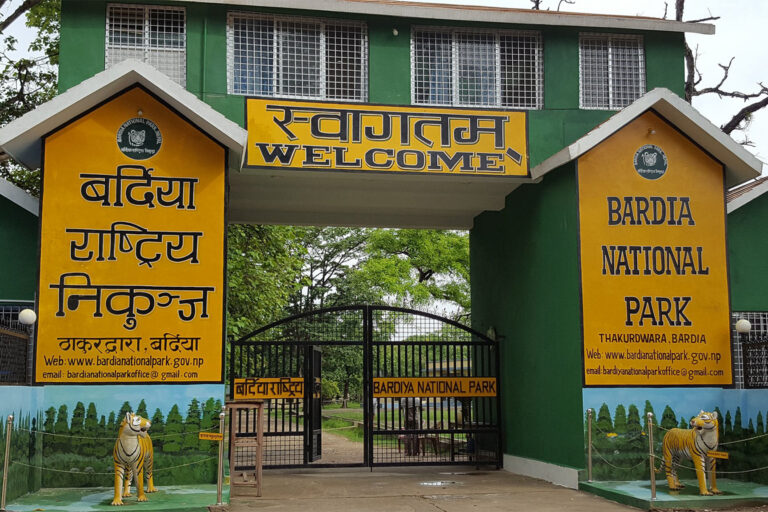
However, the tiger population's recovery has not been uniform across Nepal's national parks. The majority of growth has been observed in the newly established parks of Banke, Parsa, and Shuklaphanta, while Bardiya, the second-oldest park, has experienced a decline in tiger numbers. Conservationist Shant Raj Jnawali attributes this uneven distribution to factors such as water availability, the spread of weed species, and improved connectivity with potential habitats in India, rather than changes in administrative or management practices.
Jnawali highlights that some areas within Bardiya, particularly along the Geruwa River and in western Chitwan, are grappling with drought due to altered river courses. This water scarcity may be driving tigers towards parks with more robust water infrastructure, like Banke and Parsa, where significant investments have been made in artificial ponds. Furthermore, older parks are facing challenges from invasive weed species, including bitter vine (Mikania micrantha) and common...
Written by urgent.news from Mongabay's reporting — not their text. Machine-written — may contain errors; check the original before relying on it.