Black drongos introduced for pest control later threatened Guam’s native birds
In 1935, the introduction of black drongos to Rota aimed to control agricultural pests. This effort led to the birds establishing their populations, eventually spreading to Guam. However, their aggressive behavior towards native bird species has contributed significantly to declines in local avian populations, highlighting the unforeseen consequences of introducing non-native species into…
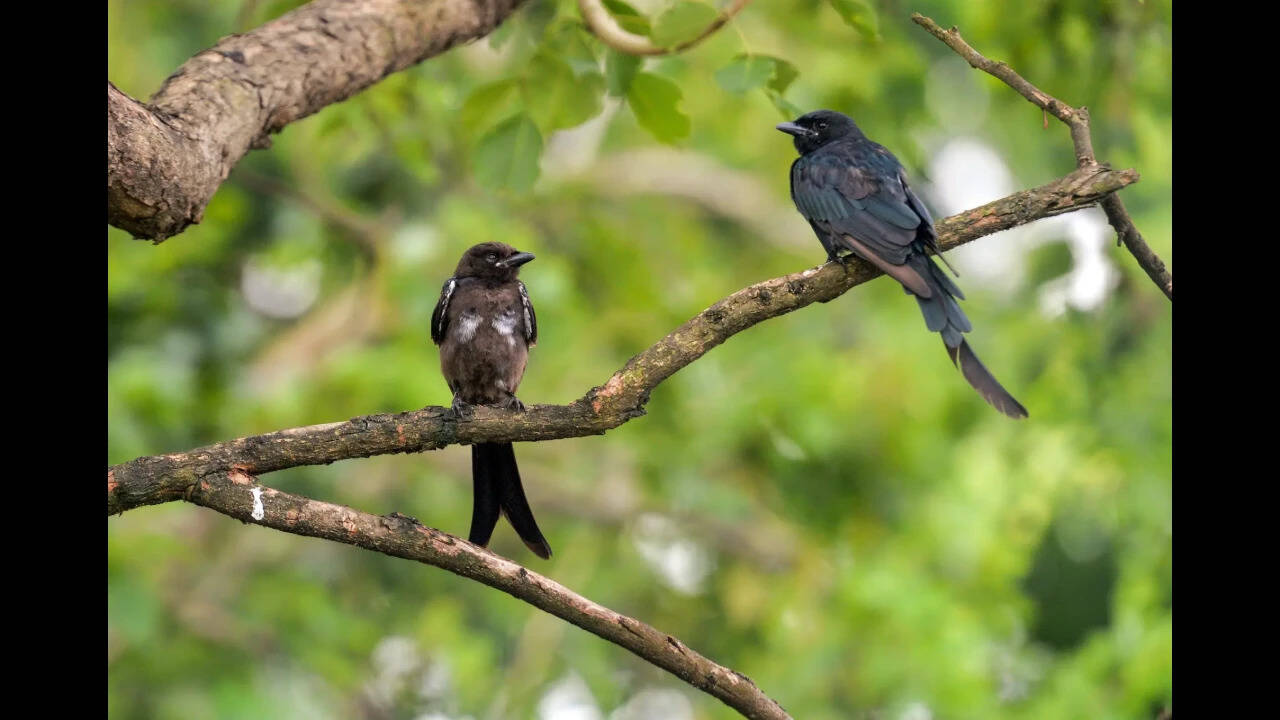
In 1935, the Japanese South Seas Development Company introduced black drongos, native to South and Southeast Asia, to Rota in the Mariana Islands with the intention of controlling agricultural pests. Black drongos are striking, shiny black birds with a distinctive forked tail, known for their insectivorous nature. The birds thrived on Rota, establishing a stable population and adapting to the island's open habitats and low elevation. However, by the 1950s, the drongos had spread to Guam, their invasive story beginning anew.
In Guam, black drongos became the most abundant bird by 1967. These territorial and aggressive birds prey on smaller birds, such as Mariana Crows and Rota bridled white-eyes. Although there is no direct evidence linking the drongos to the decline of any bird species, their presence is believed to have contributed to the disturbance of the ecosystem. The drongos' impact is particularly concerning for small endemic birds like the Rota white-eye.
The black drongo's journey from Taiwan to Rota and Guam is a cautionary tale about the introduction of species to new environments. Initially, the birds were introduced to protect crops, but their presence later became a complicated ecological problem. Conservationists now face the challenge of managing drongo populations while protecting the islands' native birds.
The story of the black drongo serves as a reminder of nature's adaptability and the potential consequences of well-intentioned human actions. It underscores the need for cautious introduction of species and continuous monitoring of ecological changes.
Written by urgent.news from Times of India's reporting — not their text. Machine-written — may contain errors; check the original before relying on it.