Malaysian preacher faces backlash over Chinese festival remarks
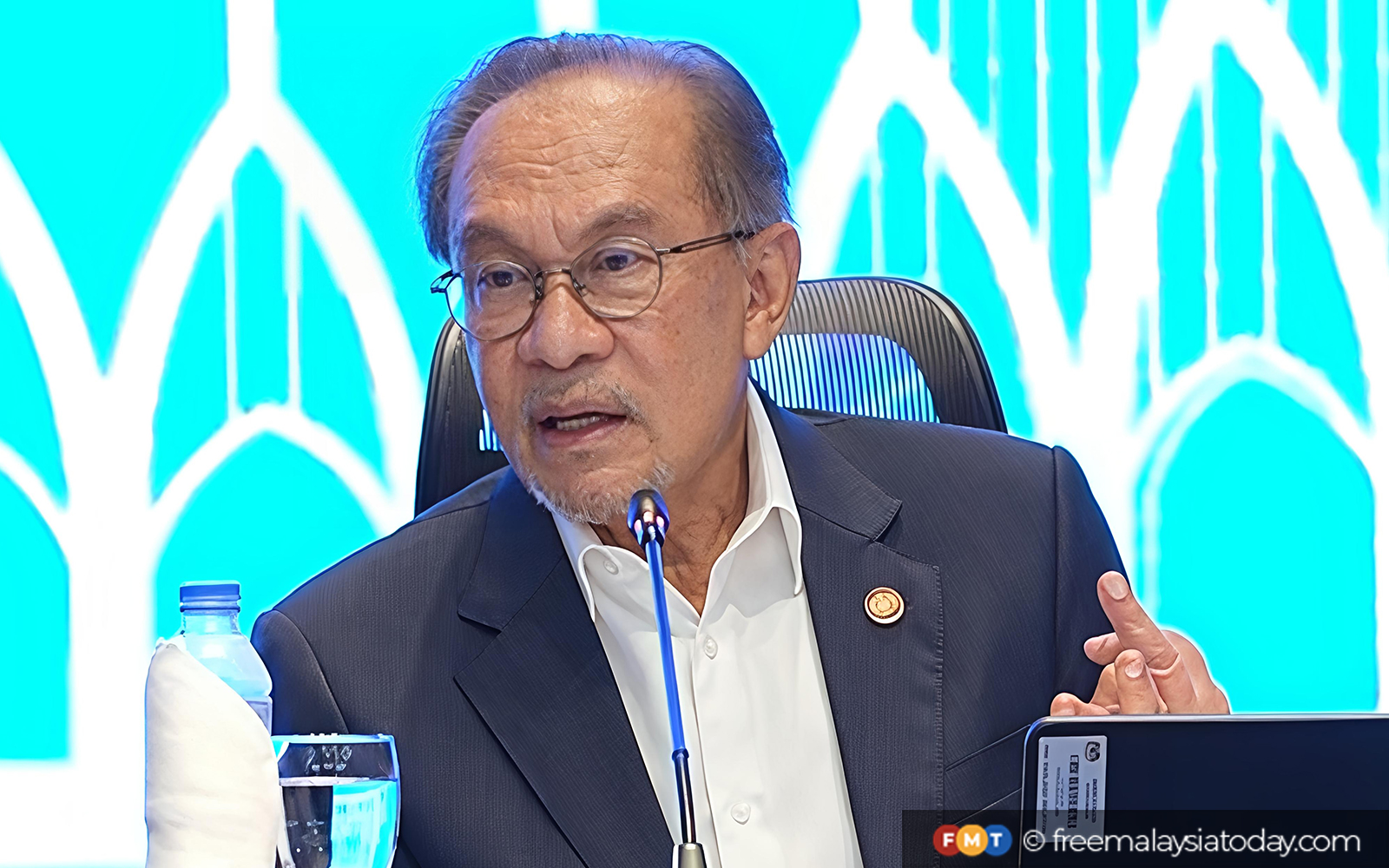
A preacher and prominent conservative commentator has drawn backlash in Malaysia after questioning why a banner for a traditional Chinese festival was not written in Malay, the country’s national language. Ridhuan Tee Abdullah, an ethnic Chinese Muslim convert known for provocative commentary on race and religion, was criticised by social media users and a Selangor politician for casting a…
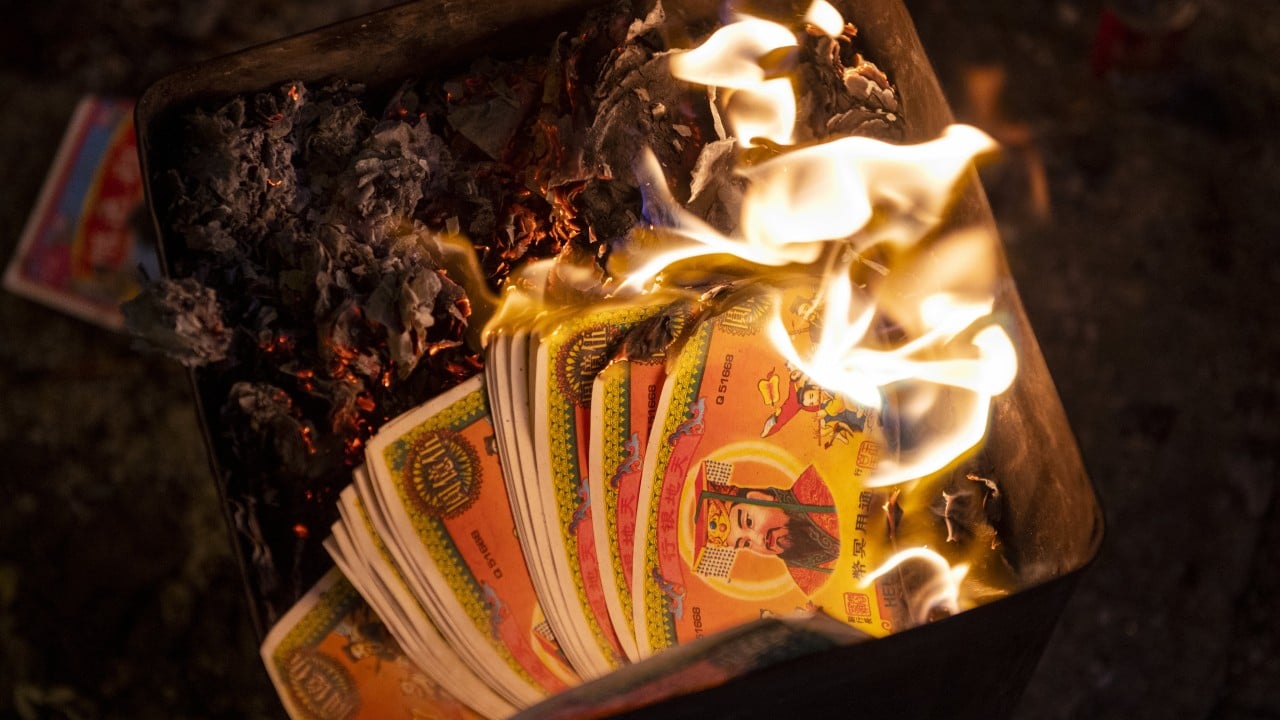
A prominent Malaysian preacher and conservative commentator, Ridhuan Tee Abdullah, has sparked controversy by questioning the language used in a banner for the Chinese Hungry Ghost Festival. The festival, celebrated by Chinese communities on the 15th day of the seventh lunar month, typically occurs in August or September and centers on ancestral veneration and appeasing wandering souls.
Tee, an ethnic Chinese Muslim convert, expressed concern that the banner, unveiled by a Buddhist association in Taman Kosas, Ampang district, Selangor, was written in Chinese, rather than Malay, Malaysia's national language. He questioned whether the municipal council had overseen the setup of the banner, asking, "Is this China?
Where does our national language stand?" Critics, including a Selangor politician and social media users, condemned Tee's remarks as racially charged and unnecessary, arguing that the festival is simply part of Malaysian Chinese culture and tradition. State assemblyman Syed Ahmad Abdul Rahman Alhadad, known as Altimet, emphasized that the festival's values promote compassion, sincerity, and remembrance of the deceased, urging Tee to refrain from fueling racial tensions.
Written by urgent.news from South China Morning Post's reporting — not their text. Machine-written — may contain errors; check the original before relying on it.