Libya’s latest turmoil exposes fault lines beneath uneasy status quo
Libya has spent years learning how to live with division. Since the ceasefire that halted the country’s last major round of fighting in 2020, after military commander Field Marshal Khalifa Haftar launched an offensive to capture Tripoli, the absence of nationwide war has created an impression of relative calm. However, rival authorities have continued to compete for power, armed groups have…
Libya has endured years of division and unrest, marked by the absence of nationwide war since the 2020 ceasefire. Despite the relative calm, rival authorities continue to vie for power, armed groups retain significant influence, and the country's institutions remain fragmented. The past week's events serve as a stark reminder of the precarious nature of this balance.
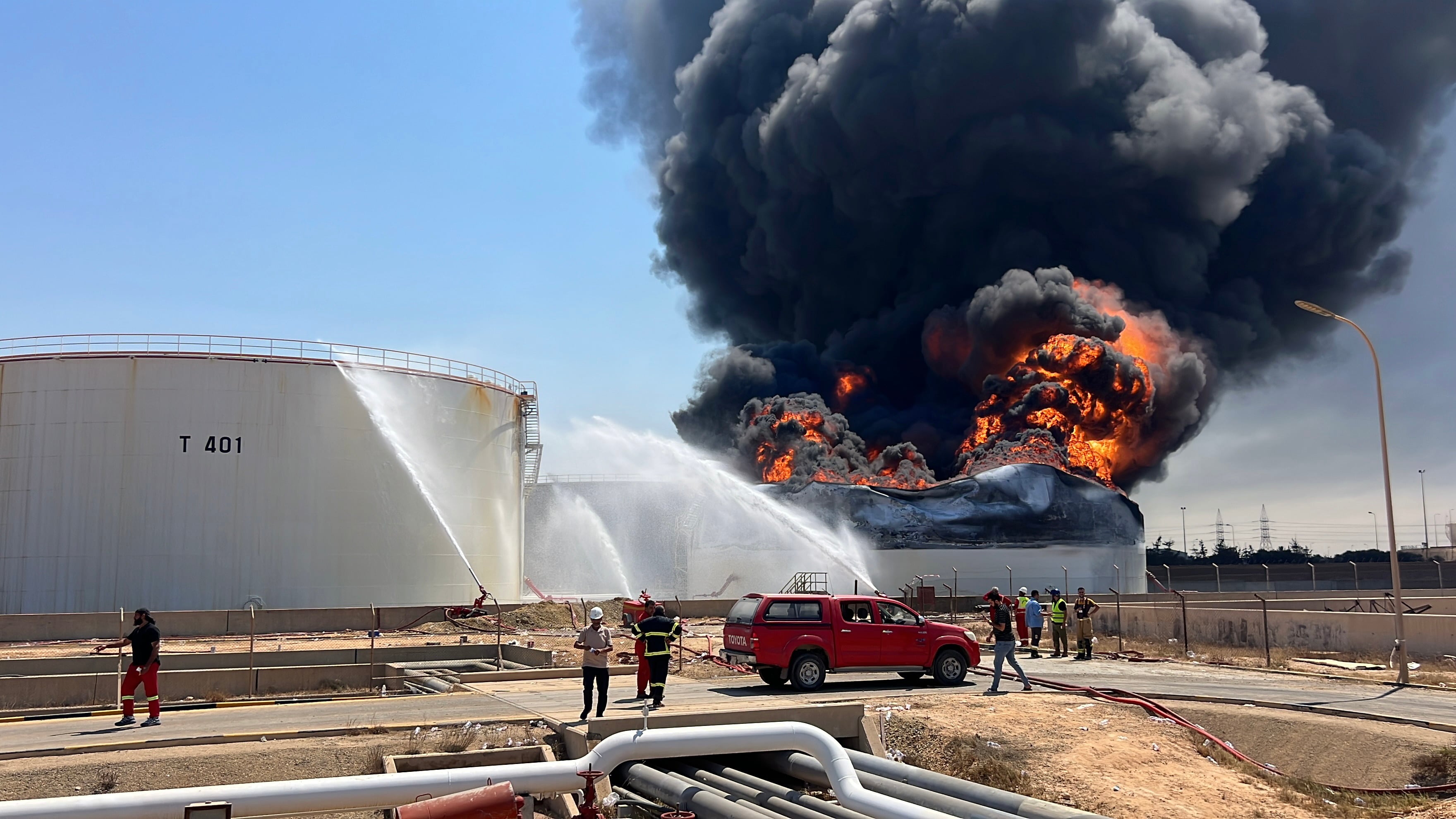
A series of drone attacks targeted strategic energy infrastructure in Zawiya, setting fuel storage facilities ablaze and destroying a power substation. The National Oil Corporation warned that ongoing attacks could force a force majeure declaration. A strike on the South Zawiya substation left over 700 megawatts of generation capacity inoperable, prompting US company GE to withdraw technical personnel due to security concerns.
Meanwhile, Maj Gen Fawzi Al Mansouri, the head of military intelligence in eastern Libya, was killed in a car bombing in Benghazi, though no group claimed responsibility. Central bank governor Naji Issa also resigned, a move the rival legislative bodies did not accept, further complicating the already unstable institutional landscape.
These developments highlight the interplay between political instability, armed group activities, and the critical role of key energy infrastructure in the country's economic recovery. Zawiya, home to some of the nation's most important energy assets, has seen a high number of armed clashes this year, illustrating the city's unique security challenges.
Efforts to unify Libya's competing factions, including a US-led initiative, aim to address these issues and pave the way for a more stable political environment. However, the recent events demonstrate that achieving this goal remains a daunting task, as the country grapples with ongoing insecurity and power struggles.
Written by urgent.news from The National Business's reporting — not their text. Machine-written — may contain errors; check the original before relying on it.
This story
This is one outlet's version. Read the fullest account.
- Libya’s latest turmoil exposes fault lines beneath uneasy status quo thenationalnews.com