Libya’s latest turmoil exposes fault lines beneath uneasy status quo
Libya has spent years learning how to live with division. Since the ceasefire that halted the country’s last major round of fighting in 2020, after military commander Field Marshal Khalifa Haftar launched an offensive to capture Tripoli, the absence of nationwide war has created an impression of relative calm. However, rival authorities have continued to compete for power, armed groups have…
Libya's recent turmoil has highlighted the underlying tensions that have kept the nation in a state of uneasy stability. Since the ceasefire in 2020, the absence of full-scale conflict has provided an illusion of peace, but rival authorities and armed groups have persistently vied for power. Despite efforts to maintain unity, the political system has struggled to contain these tensions, avoiding a return to full-scale war.
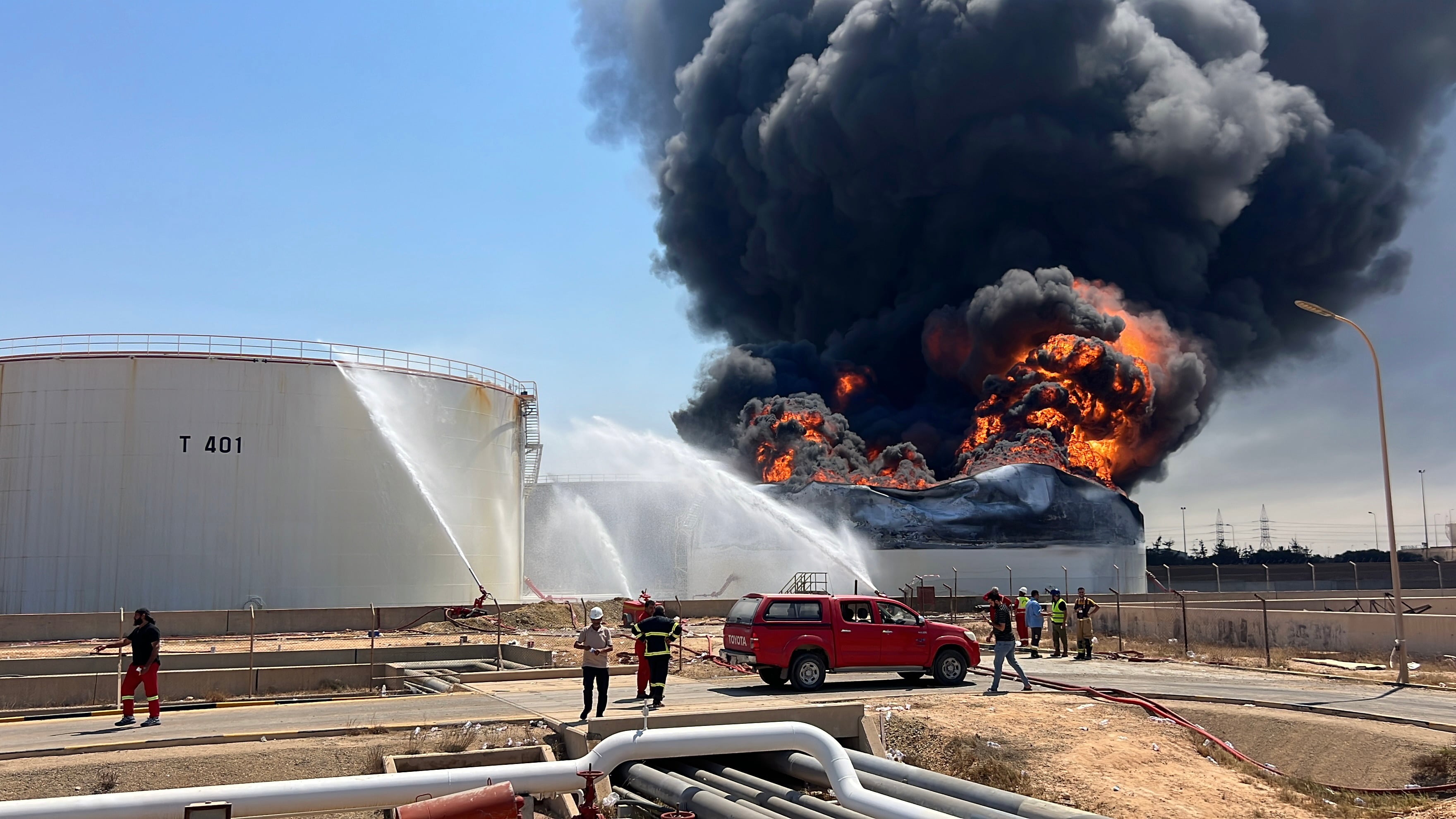
Recent events, such as drone strikes on strategic energy infrastructure in Zawiya and the assassination of the head of military intelligence in eastern Libya, underscore the precarious nature of this equilibrium. The National Oil Corporation warned of potential force majeure due to continued attacks, and the U.S. company GE withdrew technical personnel due to security concerns. Meanwhile, the resignation of Central Bank Governor Naji Issa further complicates the already volatile political landscape.
These developments, while seemingly disconnected, are significant because they illustrate how armed groups capitalize on political flux to strengthen their positions and shape the nation's direction. Zawiya, a city rich in energy infrastructure, has witnessed renewed violence, disrupting Libya's oil industry and threatening the gradual recovery of the oil and gas sector.
This has eroded foreign investor confidence and exacerbated an existing electricity crisis that has sparked unrest in Tripoli and protests against the Prime Minister.
The U.S. has been actively working to unify Libya's competing factions, with aims to establish a unified executive capable of governing the entire country, providing security, and ensuring economic stability. However, the recent events have complicated these efforts, highlighting the need for a professional military and security institutions that can provide security for the Libyan people and promote economic stability.
Written by urgent.news from The National UAE's reporting — not their text. Machine-written — may contain errors; check the original before relying on it.
Also reported by 1 other outlet
- Libya’s latest turmoil exposes fault lines beneath uneasy status quo thenationalnews.com