Libya needs up to $40 billion to develop its oil and gas sector
Libya, which holds Africa’s largest proven oil reserves, needs investment of up to $40 billion as it aims to boost production and become a reliable global supplier. Libya’s National Oil Corporation (NOC) chairman Masoud Suleman told the Financial Times : “We have a lot of untapped resources. We need significant funds, between $30 billion and $40 billion. More than 60 oil and gasfields have been…
Libya, rich in Africa's largest proven oil reserves, requires up to $40 billion to develop its oil and gas sector, according to Masoud Suleman, chairman of the National Oil Corporation (NOC). Speaking to the Financial Times, Suleman emphasized the need for substantial funds to tap into the untapped resources and transform Libya into a dependable global oil supplier.
Since the ousting of Muammar Qaddafi in 2011, the country has faced numerous challenges, including political instability, violence, and armed conflicts. These issues have persisted, with the nation currently governed by two competing governments in Tripoli and Benghazi, and numerous armed groups exerting influence. Additionally, several key oilfields and export terminals are under the control of military commander Khalifa Haftar, who has intermittently blocked oilfields and ports.
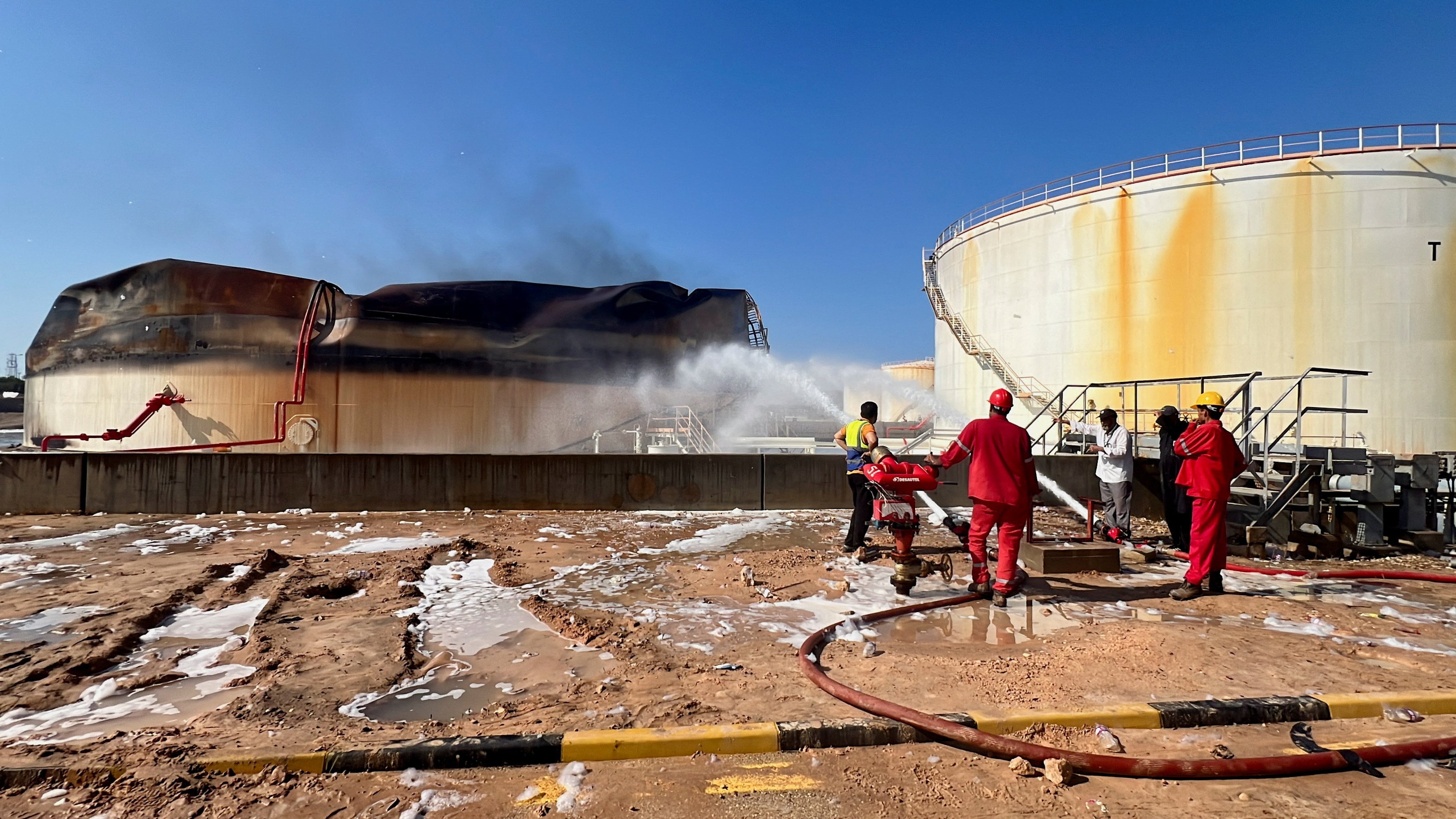
In the Western region, the UN-recognized Government of National Unity in Tripoli is supported by various armed factions. The recent attack on the Zawiya Refinery complex by explosive drones resulted in a major fire, damaging fuel storage tanks and disrupting operations without causing any casualties. The security concerns have extended beyond the refinery, with the South Zawiya power substation attacked as well, causing a significant power outage in the surrounding areas.
Despite these security challenges, Suleman stated that all oil and gas investment sites are situated in regions far from the tension and are under robust security measures. To revitalize its hydrocarbon sector, Libya has already granted oil and gas exploration blocks to foreign energy companies such as Chevron, Eni, QatarEnergy, and Repsol.
In an effort to boost production to 2 million barrels per day by the end of the decade, Libya aims to increase its current output of 1.4 million barrels per day. The National Oil Corporation recently awarded exploration concessions in the onshore Sirte and Murzuq basins, as well as offshore gasfields in the Mediterranean. However, the NOC is contemplating a shift from production-sharing agreements to concession-style deals, as the government funding delays render projects vulnerable.
Suleman mentioned that the NOC is exploring whether to revert to concession agreements or improve the current production-sharing terms to accommodate more investor funding. As an early example of this potential change, NOC signed an agreement with Qatar-based UCC Holding for Area 47 without a competitive bidding process, with the investors financing the project, and the NOC's share of production increasing after ten years.
Written by urgent.news from The National UAE's reporting — not their text. Machine-written — may contain errors; check the original before relying on it.
Also reported by 1 other outlet
- Libya needs up to $40 billion to develop its oil and gas sector thenationalnews.com