Las aerolíneas se resisten a bajar precios pese a la caída del combustible
Las aerolíneas están decididas a proteger las subidas de tarifas que introdujeron tras el inicio del conflicto con Irán. Leer
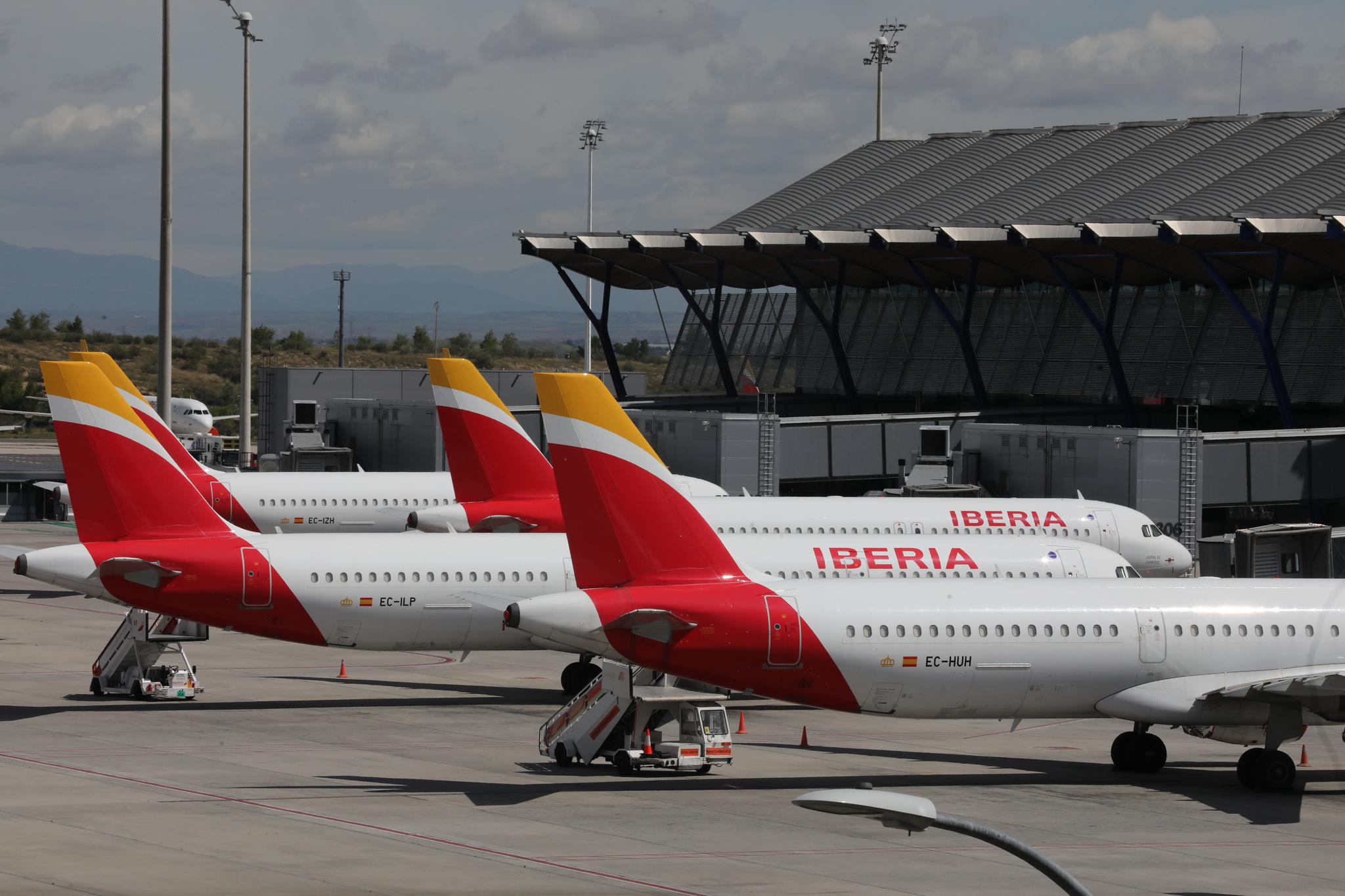
Aeroplane companies are resisting the idea of lowering ticket prices despite a drop in fuel costs, due to the high cost of fuel since the conflict with Iran began. The airlines are closely watching their competitors as they are in a precarious year trying to maximize profitability. The fuel cost for planes has surged during the Iran war and is now moderating, but no one wants to be the first to lower prices, fearing an aggressive price war during the summer.
Area tariffs remain high due to the fuel price increases implemented after the conflict started. If an airline lowers prices, others will feel pressured to follow suit to remain competitive. The airlines are observing the moves of their rivals as they have thin margins. Air France-KLM CEO Ben Smith said they would prefer to keep prices high if given the opportunity.
The reference fuel price for planes in northwest Europe reached $1,900 per tonne after the Iran conflict started in February, but it has stayed volatile and is now around $1,300 per tonne. European airlines have been partially protected by fuel hedges, unlike their US counterparts who do not hedge their fuel purchases. However, all area airlines have been affected by the sharp fuel price increase, which is their biggest cost.
Ticket price hikes and cuts have only partially compensated for the increase. Passengers, especially tourist class, are very price-sensitive, making it difficult for airlines to raise ticket prices. Demand has remained high this year after the pandemic, despite the price hikes, as area tariffs have stayed low compared to inflation.
Even low-cost airlines like AirAsia have raised prices by around 30%, but demand has only dropped by 10%, which is encouraging. Some airlines are still reducing capacity this year, despite the relatively strong demand and the drop in fuel prices, as the International Air Transport Association estimates the industry's profitability will halve due to the crisis.
IAG, which owns British Airways, Iberia, Vueling, and Aer Lingus, is reviewing its capacity levels for the last months of the year. Some airlines competing directly with Gulf airlines, known for their aggressive pricing policy, are using their direct routes as a competitive advantage to charge the highest prices. For example, European passengers are still willing to pay a premium for direct flights to Australia, even with a layover in the Gulf, according to Qantas CEO Vanessa Hudson.
Some low-cost airlines believe lowering prices could be an opportunity to steal customers from competitors. Malaysia Airlines AirAsia plans to cut prices to just 5% above pre-war levels to regain some of the losses caused by fuel price hikes. Ultimately, the airlines' decision on prices will largely depend on their competitors, from traditional rivals who raised prices to Gulf airlines like Emirates and Qatar Airways, which are cutting tickets to attract customers.
Gulf airlines have been very aggressive, and their need to attract visitors to the region over profit concerns means they may not act rationally, complicating the industry's efforts to balance the books in a turbulent year.
Written by urgent.news from Expansion ES's reporting — not their text. Machine-written — may contain errors; check the original before relying on it.