La remodelación de Oriente Próximo
El conflicto con Irán está transformando las alianzas de una manera que ni Estados Unidos ni Israel previeron. Leer
Oriente Próximo is undergoing a transformation due to the conflict with Iran, a situation that neither the United States nor Israel anticipated. Following Donald Trump's decision to order the US military to attack Iran, despite advice from Arab allies, the region finds itself caught between war and peace. Nearly six months into an operation President Trump predicted would last between four and five weeks, the consequences of the conflict launched by Trump and Israeli Prime Minister Benjamin Netanyahu continue to unfold.
The Iranian regime, considered a significant threat by Arab states since the 1979 Islamic Revolution, remains intact and shows bellicose behavior. Despite the devastating costs of the US and Israeli bombings, Iran feels emboldened, maintaining control over the Strait of Hormuz while its allies in the so-called "resistance axis" remain weakened but still pose a lethal threat.
The outcome is a crisis reshaping the Middle East in ways that may have long-term repercussions for Washington, as regional leaders adapt to a new reality. The Gulf states are reassessing their dependence on the United States as their primary security guarantor after Iranian attacks on military bases, energy facilities, airports, and other regional infrastructure.
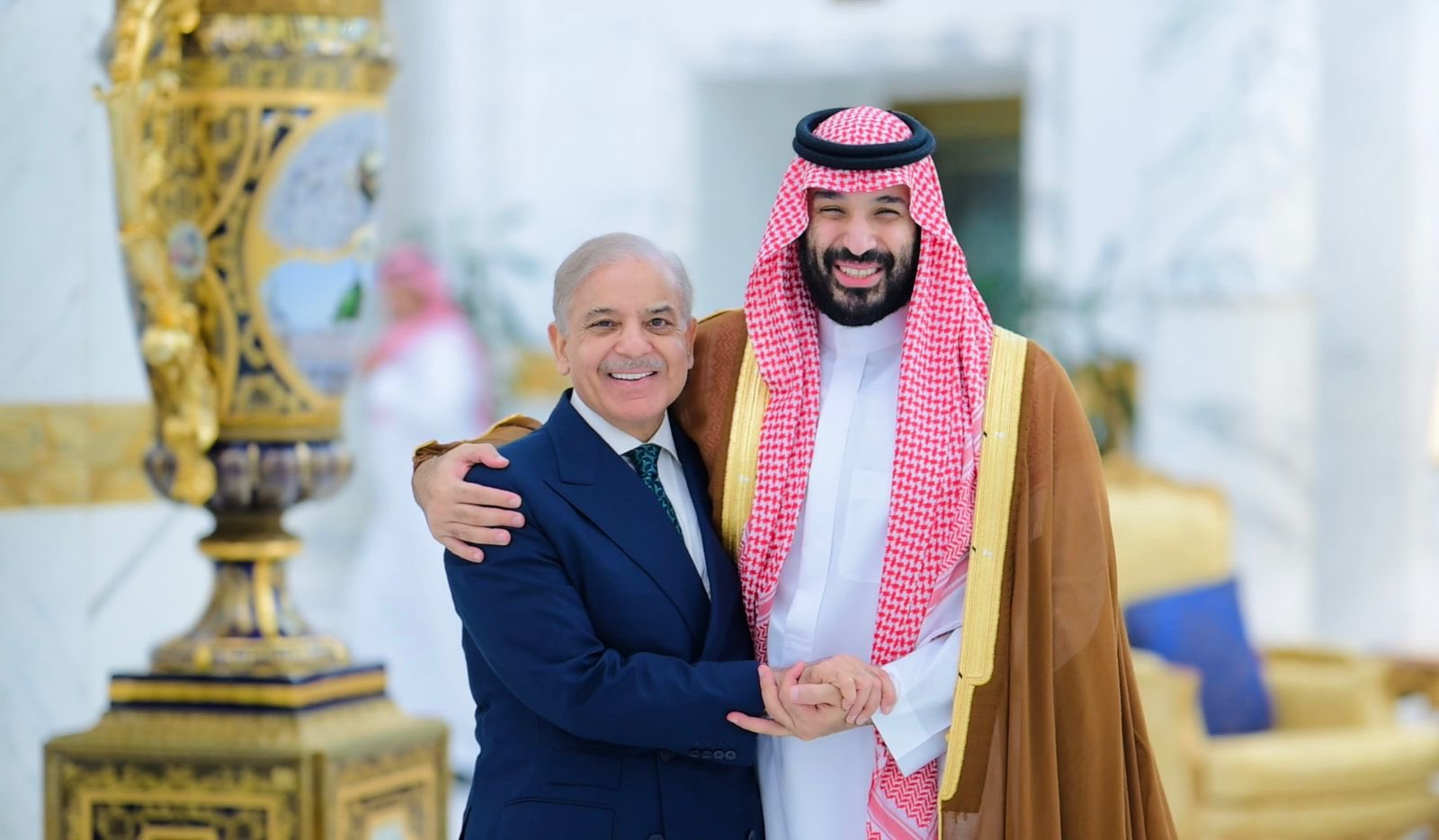
The conflict has also intensified Arab and Muslim leaders' concerns over the destabilization of Israel. Many believe Netanyahu dragged the region into war with Iran to serve Israel's interests at the expense of regional stability. A recent indication of the potential consequences was the signing of a mutual defense pact by Saudi Arabia, Turkey, and Pakistan, symbolically in Mecca, Islam's holiest city.
The three Sunni powers insist the agreement is defensive and not directed against any specific country, but it highlights the shared recognition that Iran—and the instability generated by the war—must be managed more by regional powers as doubts arise about the reliability of the United States. The pact, based on a defense agreement between Saudi Arabia and Pakistan reached in September, offers Ankara prospects of lucrative defense deals and Islamabad greater financial support from Riyadh.
For Riyadh, it represents at least a symbolic strengthening of its deterrent capacity against future Iranian or allied attacks, as the Houthi rebels in Yemen have reignited a decade-long conflict with the kingdom. The three countries will use the pact to project influence and leadership, but it is unlikely that Turkey or Pakistan will rush to war with Iran to defend Saudi Arabia.
It is also unlikely the agreement will prevent Iranian or Houthis attacks. Saudi Arabia will not send troops to Kashmir, and despite growing discussions on strategic diversification, the United States will continue to be the principal defense partner of the Arab world. The significance of the pact lies in its symbolism and what it reveals about the new alliances emerging after nearly three years of conflict in the Middle East sparked by the October 7, 2023 attack on Israel by Hamas.
It is too early to speak of opposing axes, but the Mecca agreement reveals shifting fault lines in the region. While the Iranian threat is a top priority, Tehran is seen as a potential counterbalance to Israel. Israel's attack on a Hamas office in Qatar last September accelerated its cooperation. On the other hand, the United Arab Emirates (UAE), allies of the Abraham Accords, maintain a clandestine dispute with Saudi Arabia and are increasingly carving out an independent path from their traditional Arab partners while tightening their ties with Israel.
These dynamics will remain fluid, and other Arab and Muslim states will be cautious about taking sides. Egypt, while maintaining close relations with the Mecca trio, did not fully join the pact. However, if Trump and Netanyahu believed that war with Iran would bring the regional powers closer to Israel and pave the way for an expansion of the Abraham Accords, they may have been disappointed. The war is remaking the Middle East, but not in the ways Trump and Netanyahu anticipated.
Written by urgent.news from Expansion ES's reporting — not their text. Machine-written — may contain errors; check the original before relying on it.