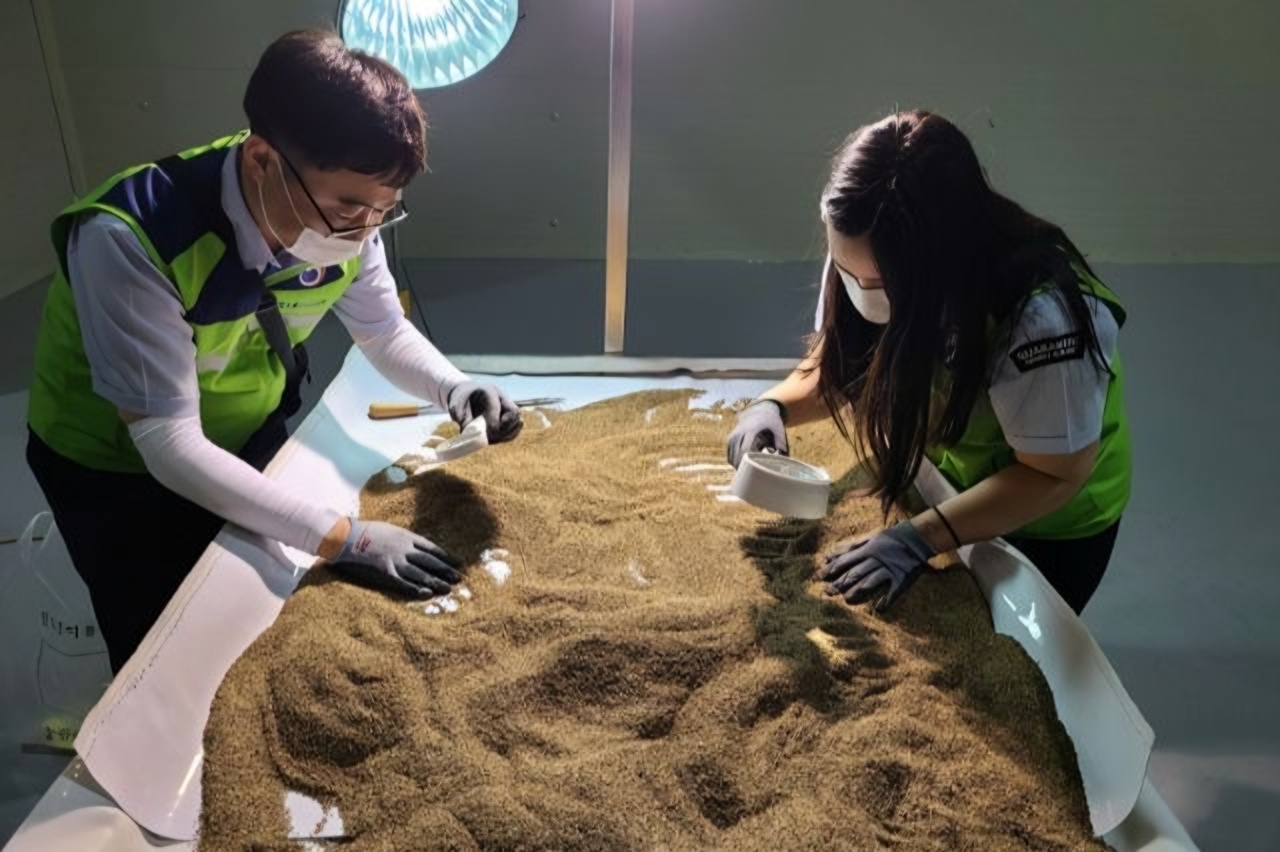
Korean, African researchers join forces to protect food supplies from pests
As climate change accelerates the spread of crop-destroying pests across sub-Saharan Africa, Korea is stepping in with scientific expertise to help secure the continent’s fragile food supply. The Rural Development Administration (RDA), Korea’s national agricultural research agency, said Tuesday that it signed a memorandum of understanding with the Nairobi-based International Centre of Insect…
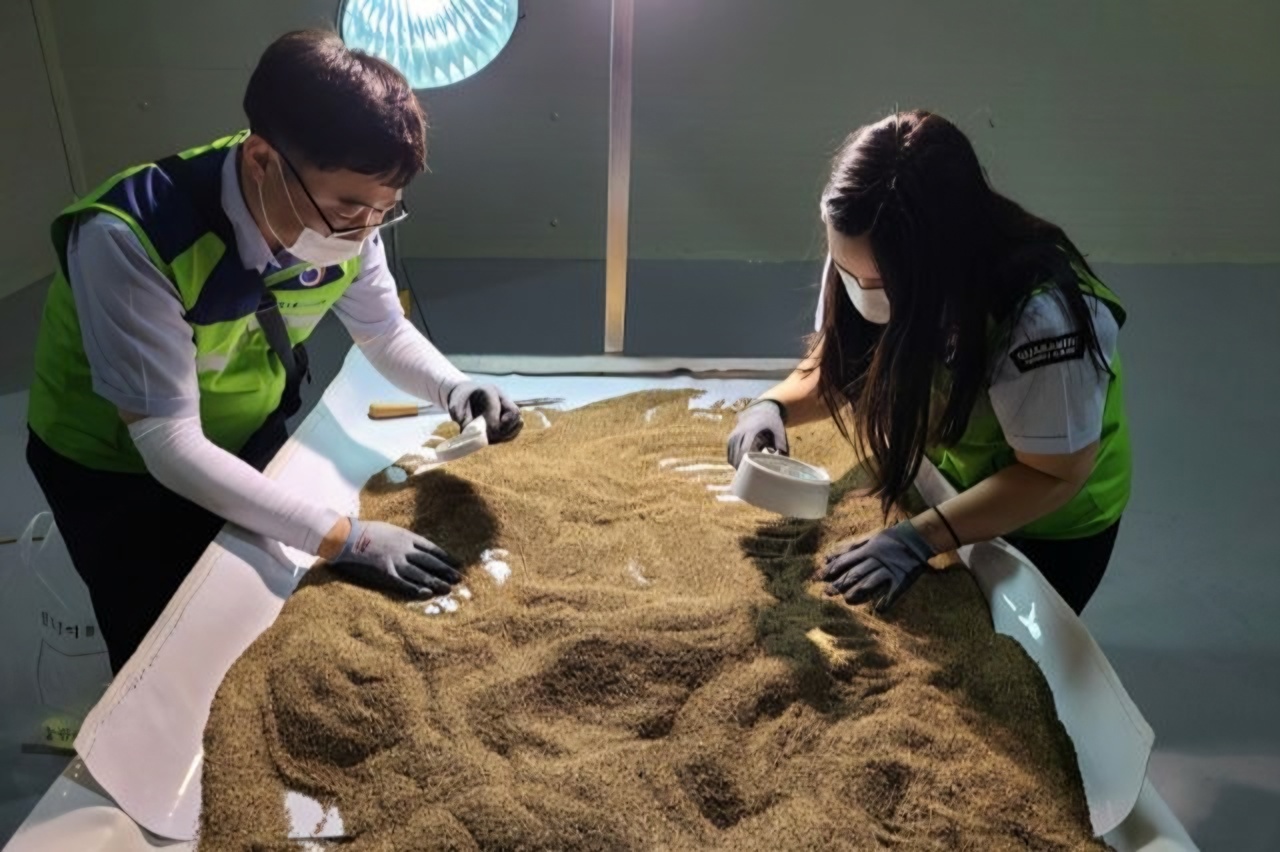
Climate change is intensifying the threat to Africa's food supplies due to the rapid spread of crop-devouring pests, prompting Korea's national agricultural research agency, the Rural Development Administration (RDA), to collaborate with the International Centre of Insect Physiology and Ecology (icipe) based in Nairobi. The two organizations signed a memorandum of understanding in Seoul, committing to joint research efforts aimed at safeguarding the fragile food security on the continent.
Under the agreement, the RDA and icipe will work together to devise advanced pest monitoring methods, explore biological control agents, and develop eco-friendly pesticides. Moreover, the partnership extends to beneficial insects, including research on apiculture, crop pollination, and innovative applications of insects in food, livestock feed, and fertilizers.
This collaboration is timely, as rapidly changing climate patterns are exacerbating pest outbreaks across Africa, posing a significant risk to crop yields.
Written by urgent.news from The Korea Times's reporting — not their text. Machine-written — may contain errors; check the original before relying on it.