Edo Period and Meiji Era diets richer in minerals than intake today, study finds
The research found that concentrations of chlorine, potassium, calcium, manganese, iron and copper were higher, while that of zinc was lower.
A recent study has revealed that the diets of commoners living in urban areas of Japan during the Edo and Meiji periods were more mineral-rich compared to modern diets. The research, conducted by a team of scientists from Ryukoku University, the National Institute of Japanese Literature, and other institutions, was published in the journal Scientific Reports.
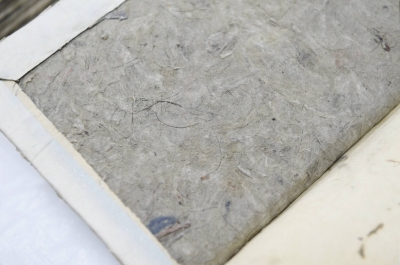
The findings were derived from analyzing hair samples from historical books dating back to the 17th and 19th centuries. Atsushi Maruyama, a professor at Ryukoku University, and Atsushi Iriguchi, a professor at the National Institute of Japanese Literature, collected hair samples from around 400 books. These books were published in major cities like Tokyo, Kyoto, and Osaka, and spanned from the mid-17th century to the late 19th century.
The researchers used particle-induced X-ray emission and stable isotope analyses to determine the elemental composition of the hair samples, revealing higher concentrations of essential minerals like chlorine, potassium, calcium, manganese, iron, and copper in the hair samples compared to modern individuals. However, the concentration of zinc, which is found in high amounts in pork, was lower.
Carbon and nitrogen isotope analyses pointed towards a diet primarily based on rice and sea fish. The study also noted that potassium and silicon, which are abundant in brown rice, declined over time, likely due to the shift towards consuming milled white rice. In contrast, manganese, calcium, iron, and copper levels, which are found in sea fish, remained consistent.
The researchers suggest that the increase in fish consumption, along with the spread of fish meal fertilizer and improved transportation networks, may have contributed to the higher mineral intake during the Edo and Meiji periods. Maruyama, who initially used hair as a fun way to engage students in his research, explained that while Edo Period meals were simple, they contained more minerals than contemporary diets. He added that the findings could provide insights into the types of food that should be consumed.
Written by urgent.news from Japan Times's reporting — not their text. Machine-written — may contain errors; check the original before relying on it.