Is the World Getting Uglier?
So much contemporary design feels more bloviating than expressive, as though visual volume now matters more than beauty, writes Debbie Millman.
As I walk by a few blocks from where I reside, a typical home was recently demolished to make way for a massive structure that dominates its lot. The new house stretches from one edge of the property to the other, leaving little room around it to imply that land once existed there. It is a testament to the trend of constructing larger homes, with an excessive amount of interior space.
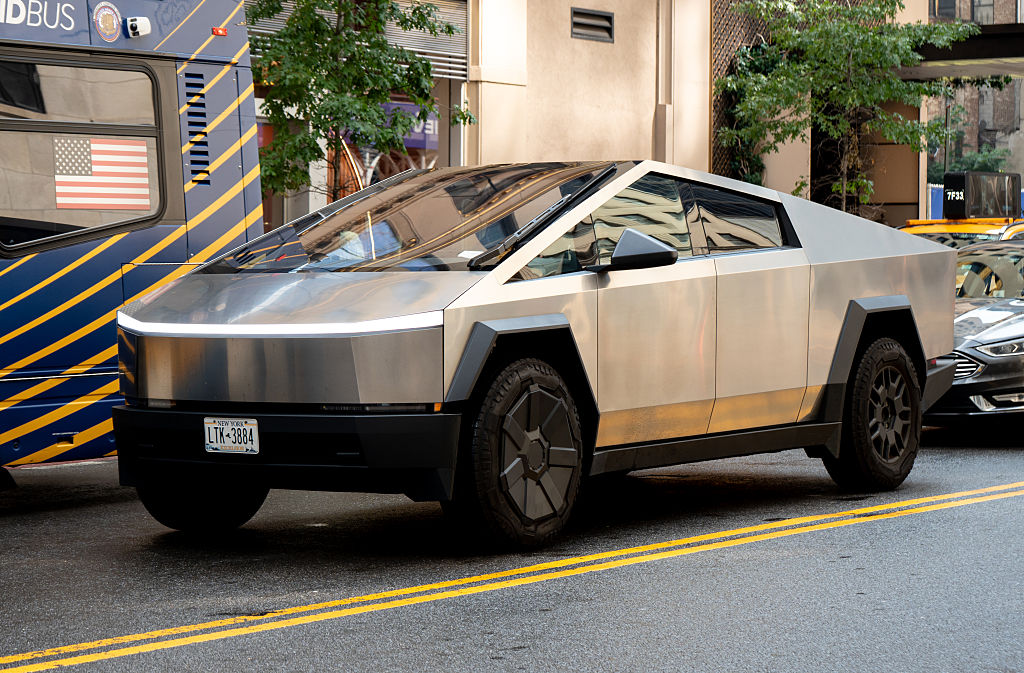
Everywhere I look, the same inclination seems apparent: things are becoming bigger, noisier, and more visually imposing, as though occupying more space has become a measure of value. Vehicles have evolved in dimensions, becoming taller, wider, and more aggressive, with grilles that appear more weaponized than designed. The Tesla Cybertruck epitomizes this trend, a vehicle so visually aggressive that it seems designed to win an argument no one is even aware they are engaged in.
Fashion has embraced exaggeration more deliberately, with Gen Z favoring massive silhouettes and awkward proportions that would have been shocking for previous generations who believed looking "put together" was a virtue.
I can't help but wonder: is the world getting uglier? While acknowledging that aesthetics are highly subjective and each generation often criticizes the one preceding it, I believe this is more than just a matter of personal taste. It is a reflection of proportion. Good design thrives on understanding the context in which an object exists: how a building relates to its street, how a chair accommodates the human body, and how type functions on a page and for its reader.
However, what I am observing now is how often these considerations are disregarded, as if the object itself holds greater significance than the environment or community it belongs to.
In today's attention economy, designs are rewarded for being instantly visible, recognizable, and shareable. This pressure to attract attention first and address consequences later has led to an abundance of objects that prioritize visual volume over beauty. A house that dominates its lot, oversized footwear, or an interior designed with online visibility in mind before the service is provided are all responding to this pressure.
Sometimes, this design philosophy manifests as intentional ugliness, as seen in Miuccia Prada's 1996 "Ugly Chic" collection. The intentional use of muddy browns, avocado greens, and awkward proportions challenged conventional notions of beauty. Fashion's adoption of oversized, mismatched clothing and deliberately awkward shoes can be perceived as self-aware and even enjoyable.
However, the distinction between ugliness and vulgarity is crucial. Design's true purpose, as Italian designer Massimo Vignelli once stated, is to decrease vulgarity in the world. It is not about prescribing a specific style; rather, it is about creating quality in everything that surrounds us. The contrast between ugliness and vulgarity is significant now.
Beauty often relies on proportion and the harmony of an object with its surroundings. Ugliness can challenge expectations and still possess intelligence, deliberate intent, and beauty in its own right. Vulgarity, on the other hand, occurs when scale, excess, or the pursuit of attention dominate without consideration for context.
The architecture, automobiles, and commercial environments surrounding us often impose their presence on people who have no say in the matter. When houses encroach upon their lots, vehicles grow more imposing, and storefronts vie for attention, the issue extends beyond whether something is beautiful or ugly. Vulgarity becomes consequential when it overwhelms the shared environment we all inhabit.
The objects we create and consume reveal our values, and it appears that more and more of them reflect an increasing appetite for more. This leaves me pondering an age-old design question: how much is enough?
Written by urgent.news from Time's reporting — not their text. Machine-written — may contain errors; check the original before relying on it.