Can Indonesia build on rising EV demand to become a production powerhouse?
Indonesia’s next electric-vehicle push will test whether President Prabowo Subianto can turn rising demand, nickel wealth and consumer subsidies into an integrated domestic industry that captures more value at home, or merely make imported and locally assembled EVs cheaper to buy. Analysts warn that without stricter local-content rules and stronger links between nickel processing, battery…
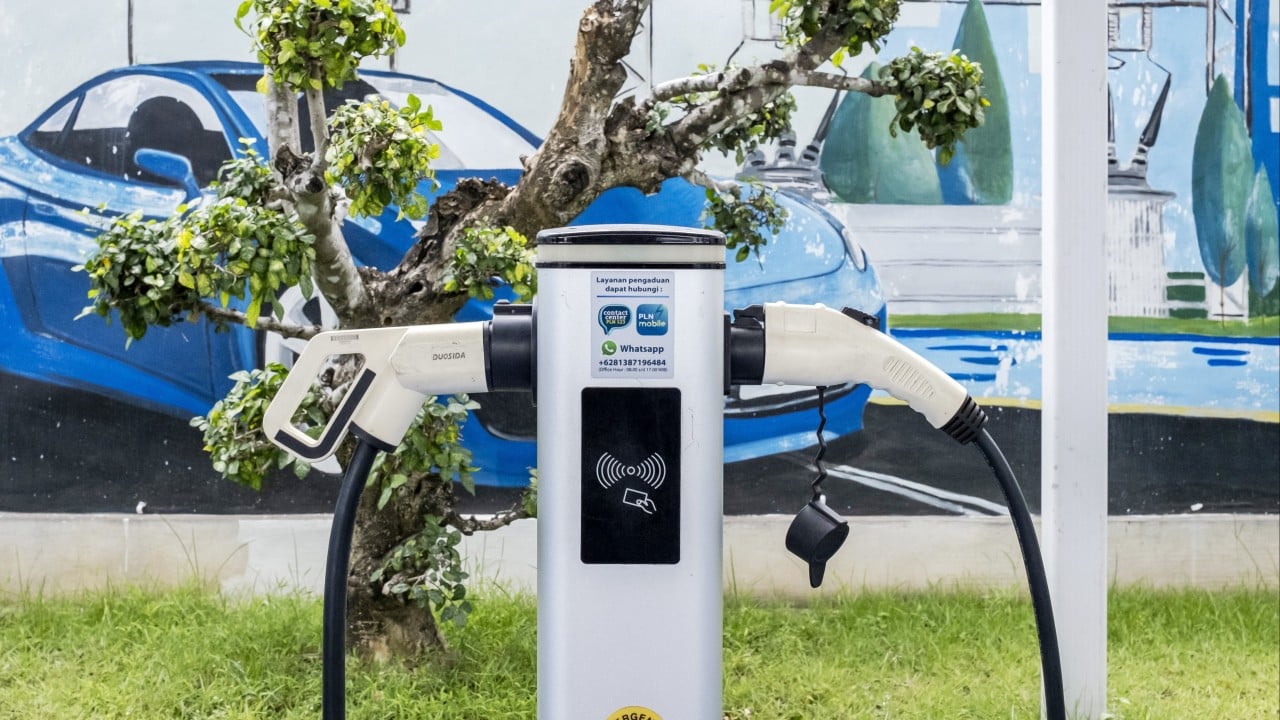
Indonesia is considering whether President Prabowo Subianto's recent push to promote electric vehicles (EVs) can transform the country into a production powerhouse in the sector. The government aims to leverage its rich nickel resources, consumer subsidies, and a growing demand for EVs to create an integrated domestic industry. However, analysts warn that without stricter local-content rules and stronger connections between nickel processing, battery production, and vehicle assembly, the incentives may only make imported and locally assembled EVs cheaper, rather than moving Indonesia up the supply chain.
Prabowo announced his plans for the "national electric-motorcycle ecosystem" on August 13, when the 20,000th electric motorcycle was produced at ALVA's factory in Cikarang, West Java. The government plans to lower instalment rates, provide zero down payments, and eventually aim to produce 2 million units by 2028. A separate EV stimulus package is expected to be announced soon, which will outline the rules for supporting vehicles, batteries, components, software, and after-sales services.
The incentives under consideration include exemptions from luxury goods sales tax and a 40% government-borne value-added tax incentive for eligible models. These benefits would apply strictly to battery EVs, excluding hybrids and plug-in hybrids. Battery composition will also be a criterion, with officials weighing whether to favor nickel-based batteries over other chemistries.
According to the Association of Indonesia Automotive Industries (Gaikindo), battery EV unit sales reached 69,739 in the first half of 2026, an 80.8% year-on-year increase. The top five brands dominating the national EV market in 2026 were BYD (30.73%), Jaecoo (24.36%), Geely, Wuling, and GAC Aion. While consumer incentives have driven growth in the EV market, analysts warn that the incentives may only reinforce Indonesia's role as a large EV market rather than moving it up the supply chain.
Experts question whether fresh incentives can draw more production into Indonesia, rather than simply accelerating sales in a market still led by foreign brands. There are concerns about the lack of development in the middle of the nickel supply chain, with only vehicle assembly and battery manufacturing present, but insufficient support for other stages such as component manufacturing, software development, and after-sales services.
Additionally, the proposed incentives may not prioritize local manufacturers, skilled jobs, or technology transfer as much as needed to create a comprehensive EV ecosystem.
Written by urgent.news from South China Morning Post's reporting — not their text. Machine-written — may contain errors; check the original before relying on it.