How the Middle East can become a hub for sustainable aviation fuels
Nature, Published online: 18 August 2026; doi:10.1038/d41586-026-02531-3 Building on the region’s oil infrastructure, investment funds and shipping corridors, Gulf nations can thrive in the clean-energy economy.
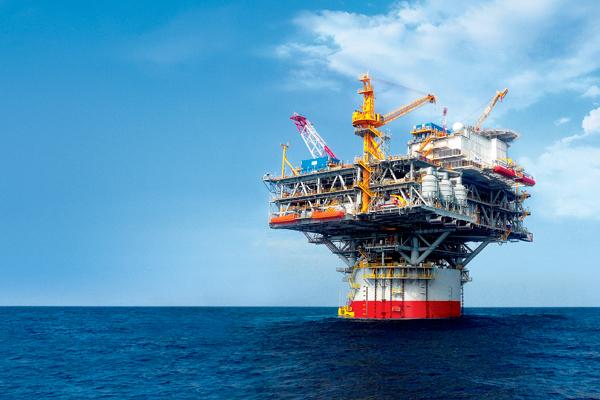
The Middle East has been grappling with disruptions in maritime traffic through the Strait of Hormuz, but this could be an opportunity to innovate in sustainable energy infrastructure. The global shift towards low-carbon energy sources often poses challenges for fossil-fuel-producing nations; however, the energy assets developed during the oil era, such as ports, refineries, tanker fleets, aviation hubs, and government investment funds, could accelerate the transition to clean energy.
The aviation sector accounts for over 2% of global anthropogenic carbon dioxide emissions and is under pressure to decarbonize, particularly for long-haul flights. Sustainable aviation fuel (SAF) produced from various waste materials and biomass-based or synthetic feedstocks is a viable option for reducing emissions this decade.
Currently, SAF production is minimal, making up less than 1% of global jet-fuel use. Bridging this gap requires innovative technologies, policies, and strategic leadership. Developing a SAF industry offers numerous benefits, including diversifying economies, creating employment, and aligning with emerging net-zero targets. Despite initial skepticism due to the lack of biomass in the desert, the Middle East offers advantages such as world-class energy infrastructure, globally connected transport hubs, and unmatched government investment capacity.
Key factors include the region's highly connected aviation networks, advanced crude-oil and fossil-fuel export terminals, and extensive refining and storage capacity. Additionally, the Middle East's culture of strategic investment, exemplified by sovereign wealth funds and national energy companies, can support biomass production for SAF globally.
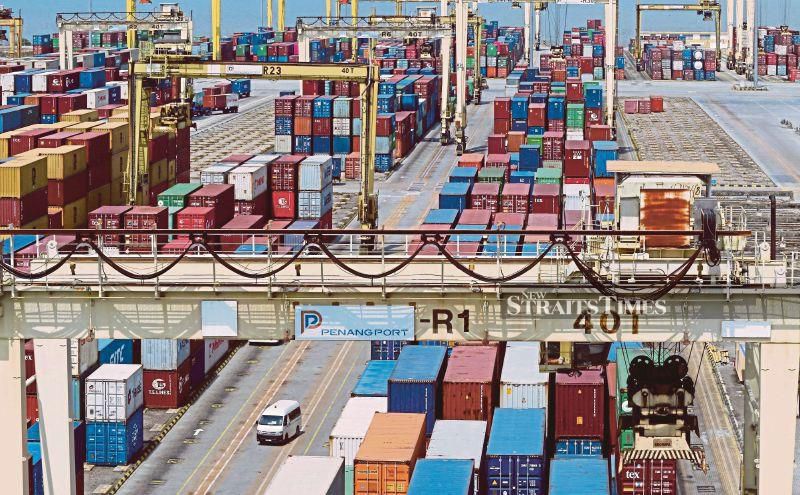
The region's maritime logistics, including large crude-oil carriers and smaller vessels, present an opportunity to optimize shipping economics and deliver low-carbon fuel to markets in Europe and Asia. By leveraging these advantages, the Middle East can become a leader in SAF trade networks and climate leadership.
Written by urgent.news from Nature's reporting — not their text. Machine-written — may contain errors; check the original before relying on it.
This story
This is one outlet's version. Read the fullest account.