What would slavery reparations actually look like?
After centuries since the abolition of slavery, the call for reparations is gaining momentum. This article delves into the recent UN resolution and the comprehensive measures proposed by African and Caribbean nations to address the lasting impact of the transatlantic slave trade.
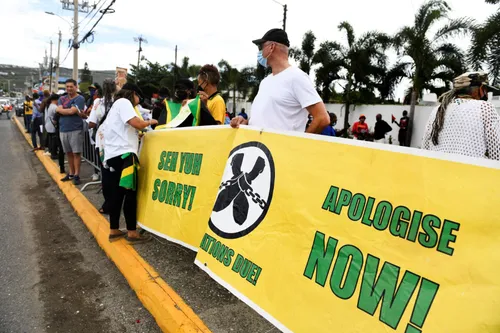
Slavery reparations, once a distant hope, have moved to the forefront of global conversations after a landmark UN resolution in March 2026 recognized the transatlantic slave trade as the gravest crime against humanity and called for reparatory justice. Countries across Africa and the Caribbean are now proposing a comprehensive package of measures to address the lasting impacts of slavery and colonialism, with financial compensation, debt relief, and systemic reforms at the forefront.
A 19-point framework, endorsed by African and Caribbean nations in June 2026, outlines the breadth of reparations being sought. This includes formal apologies from countries and institutions that profited from the slave trade, financial compensation, debt cancellation, restitution of cultural heritage, and systemic reforms. The Caribbean Community (CARICOM) has long argued that reparations should address the economic, social, and psychological damage caused by slavery, colonialism, and racial discrimination.
Their Ten Point Plan calls for a formal apology, an Indigenous peoples development programme, support for voluntary repatriation, cultural institutions, and public health programmes, among other measures.
While monetary compensation is a key demand, it is presented as part of a broader reparatory justice program rather than a specific dollar figure. Debt relief and stricter international financial system reforms are also central to the proposal, aimed at addressing the economic disparities created by slavery and colonialism. The African Union has further called for the return of cultural assets and national archives from the colonial era, and the UN General Assembly's March 2026 resolution supports the prompt and unhindered restitution of cultural items to their countries of origin.
Beyond financial measures, reparations could involve long-term investments in affected communities, including education, public health initiatives, and psychological rehabilitation to address intergenerational trauma. CARICOM's plan also includes funding for people of African descent in the Caribbean who wish to return to Africa, along with stronger cultural and historical exchanges between Africa and the Caribbean.
This approach emphasizes that reparations should not only compensate individuals but also address the systemic inequalities that persist across generations.
Written by urgent.news from IOL's reporting — not their text. Machine-written — may contain errors; check the original before relying on it.