Study finds some microbes drastically change behavior outside the lab
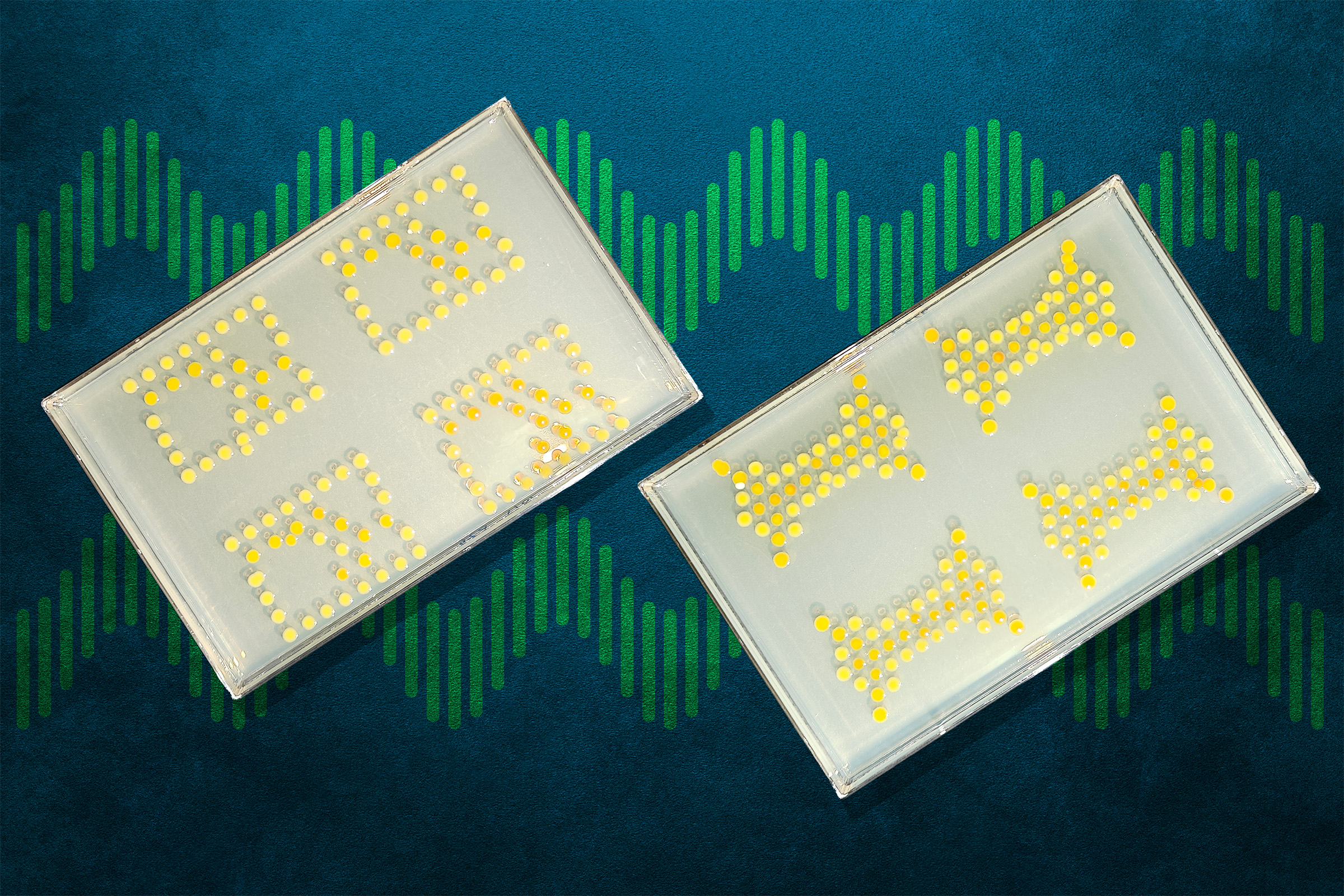
A new study underscores the importance of studying microbes in their natural setting rather than relying solely on laboratory research. Researchers found that a set of corn root bacteria behaved completely differently when grown on the plant rather than in a lab, with thousands of proteins changing when placed in their natural habitat.

A recent study highlights the critical need for researchers to examine microbes in their natural environments instead of solely relying on laboratory experiments. Researchers discovered that a group of corn root bacteria behaved drastically differently when grown on the plant versus in a lab setting, with thousands of proteins changing when placed in their natural habitat.
Traditionally, scientists have primarily used in vitro and lab experiments, but this study serves as a reminder that lab findings may not accurately reflect real-world behaviors. The researchers grew seven corn root bacteria both in a lab (in vitro) and on the plant (in planta) to measure behavioral differences. While all the bacteria exhibited varied responses on the plant, the specifics differed from species to species.
Notably, some bacteria became more motile and upregulated functions that aid mobility upon reaching the root, while others attached to the root and became more stationary. The magnitude of behavioral shifts between the two settings was significant, with microbes altering thousands of proteins, not just a few genes, upon colonizing the plant.
The seven bacteria used in the study, part of a defined community, were chosen for their consistent colonization, known genomes, and specific association with corn roots. This research enhances scientists' understanding of how microbes react to their host plants and could lead to more effective sustainable agriculture products.
Written by urgent.news from Phys.org's reporting — not their text. Machine-written — may contain errors; check the original before relying on it.