Next Generation of Planetary Scientists Learn Public Engagement Skills
FORCE is a world-class laboratory that uses high-pressure experimental equipment to recreate the extreme conditions found deep within Earth and other planetary bodies, enabling researchers to better understand how planets form, evolve, and behave under immense pressures.
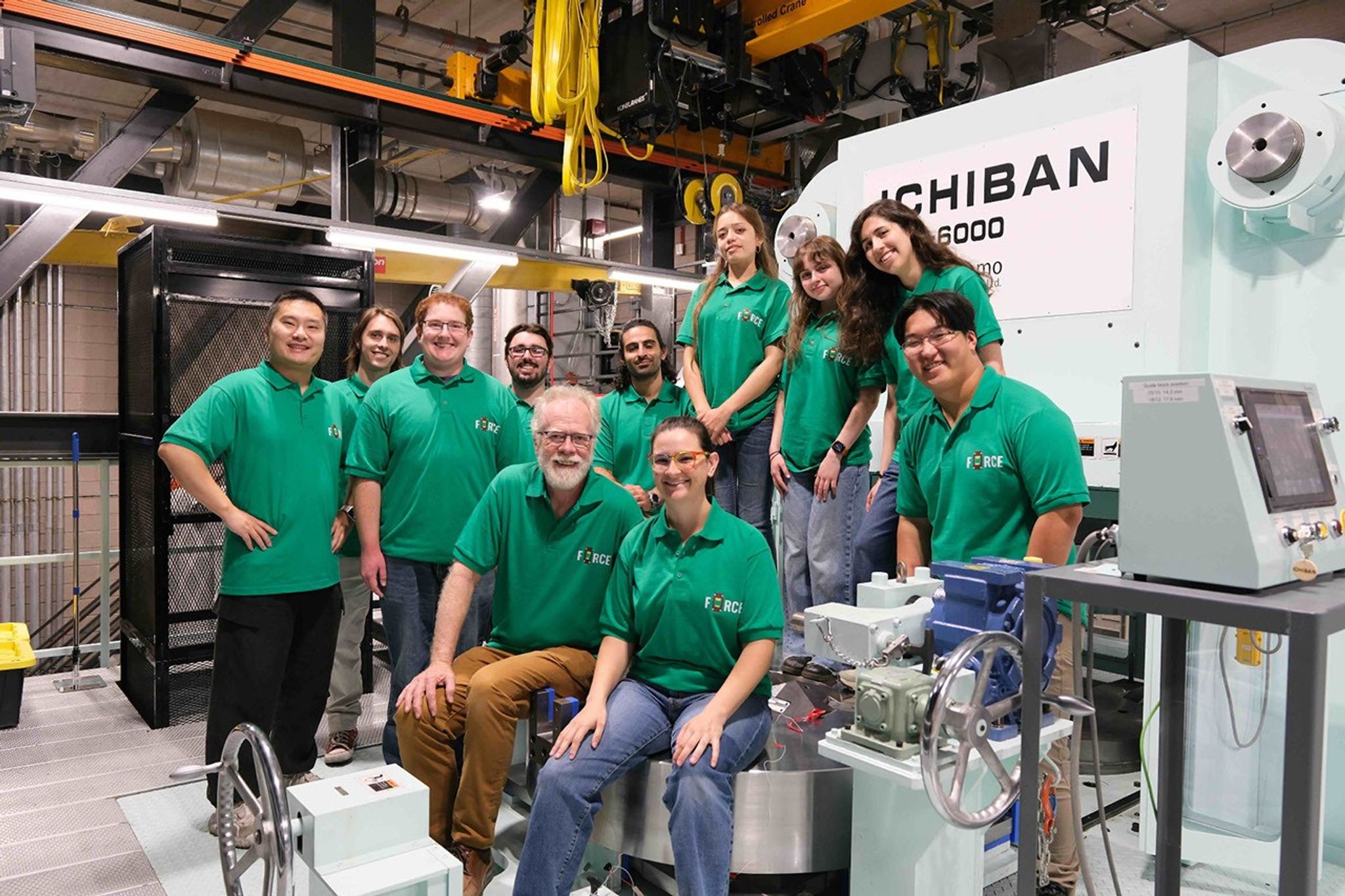
NASA's Community of Practice for Education (SCoPE), part of the NASA Science Activation program, is providing planetary scientists-in-training with essential public engagement skills. This summer, seven undergraduate interns from Arizona State University's Facility for Open Research in a Compressed Environment (FORCE) participated in workshops and outreach events to hone their communication abilities.
The two-day intensive training focused on identifying key research themes, crafting clear messages, planning effective interactions with visitors, and logistics of public engagement. Interns also received guidance on preparing research posters and individual outreach stations.
Two complementary outreach experiences followed the workshops: a FORCE Open House that attracted around 50 members of the general public, and a poster session for ASU faculty, staff, and students. At both events, the interns presented their research and engaged the public with accessible, engaging explanations of the science behind the experiments.
By incorporating science communication training into the Summer School, NASA SCoPE has equipped these emerging planetary scientists with the practical skills needed to confidently connect with both scientific peers and public audiences. This approach not only builds researchers' confidence but also strengthens connections between cutting-edge planetary science and the communities it serves.
Written by urgent.news from NASA's reporting — not their text. Machine-written — may contain errors; check the original before relying on it.
This story
This is one outlet's version. Read the fullest account.