Rahul Gandhi gets Supreme Court relief in disproportionate assets complaint
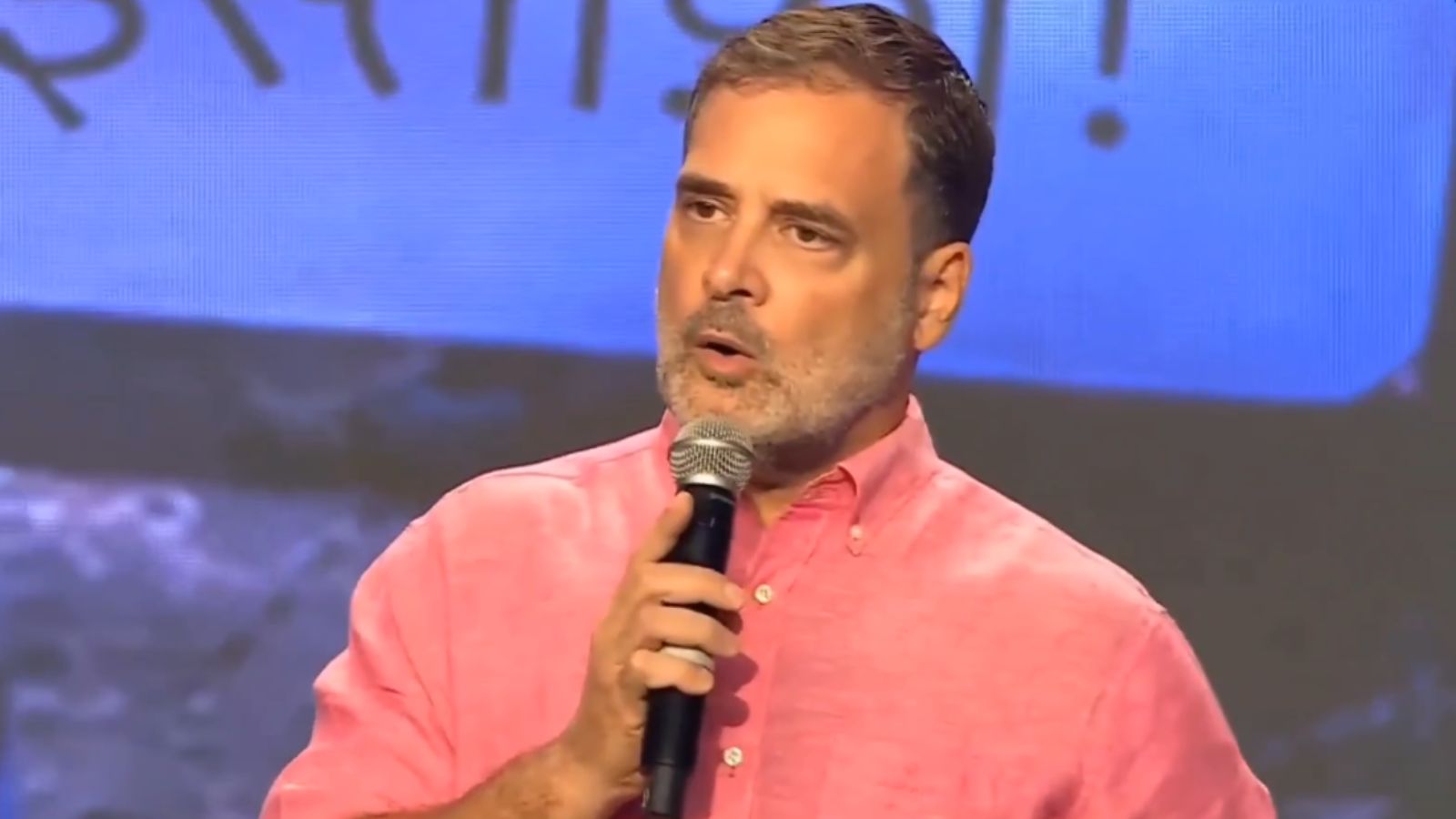
On Monday, the Supreme Court instructed the Allahabad High Court to delay hearings in a case seeking Central Bureau of Investigation (CBI) and Enforcement Directorate (ED) investigations into Lok Sabha Leader of Opposition Rahul Gandhi’s alleged disproportionate assets. The three-judge bench, led by Chief Justice of India Surya Kant and including Justices Joymalya Bagchi and V Mohana, was hearing Gandhi's appeal against the Allahabad High Court's earlier order.
The high court had ruled that once notified of the complaint, it could examine the allegations according to the law, and that the CBI and ED could take necessary permissible actions.
Gandhi's legal representative, Senior Advocate Kapil Sibal, argued that the situation was "unknown to law," describing it as a "witch hunt through a process not recognized by law." Sibal further questioned the petitioner's credentials, expressing concern that he was an RSS worker who had filed repeated petitions against Gandhi. The petitioner, S Vignesh Shishir, represented via video conference, claimed he was denied a pass to attend the proceedings in person and lacked a copy of the paper book to contest Gandhi's petition. He requested the court to provide the documents and set a new hearing date.
CBI's Senior Advocate S V Raju informed the court that the agency had only reviewed the complaint, and if the allegations were valid, they constituted serious offenses. Raju emphasized that the CBI would not oppose the court's direction if the complaint appeared legitimate, suggesting that the lack of action by the agency indicated a need for judicial intervention.
He noted that the court should follow principles of natural justice, allowing the police or other agencies to register a case if they have prima facie evidence, without requiring permission from the accused. Sibal inquired about the publication of proceedings in chambers in the Allahabad High Court, questioning how newspaper reports could have occurred without the complainant or agencies leaking information.
Bagchi inquired if Raju had initiated the proceedings "suo motu" (on his own motion), to which Raju replied negatively. Bagchi instructed the law officer to examine the correctness of the existing court order. The court directed that documents be sent to Gandhi via email, enabling him to be heard at the subsequent hearing date.
Written by urgent.news from The Indian Express's reporting — not their text. Machine-written — may contain errors; check the original before relying on it.
This story
This is one outlet's version. Read the fullest account.
- ISKCON vs ISKCON: Supreme Court to consider setting up Bench to hear review plea on Bengaluru temple thehindu.com
- Detentions begin outside Russia’s Supreme Court as anti-war Yabloko party fights to stay on the ballot meduza.io
- Adu-Boahene trial adjourned pending Supreme Court ruling on legal vacation injunction 3news.com
- Supreme Court again rejects Trump bid to overturn E. Jean Carroll verdict cnbc.com
- Bar council cannot run law college it regulates, Supreme Court told hindustantimes.com
- Supreme Court weighs rules for Ram Mandir donations amid probe into alleged embezzlement indianexpress.com