'People could get hurt': Conservationists decry AI wildlife visuals
Conservationists say AI visuals portraying wild animals as cute or cuddly make it harder for social media users to discern what is real and can fuel exploitation
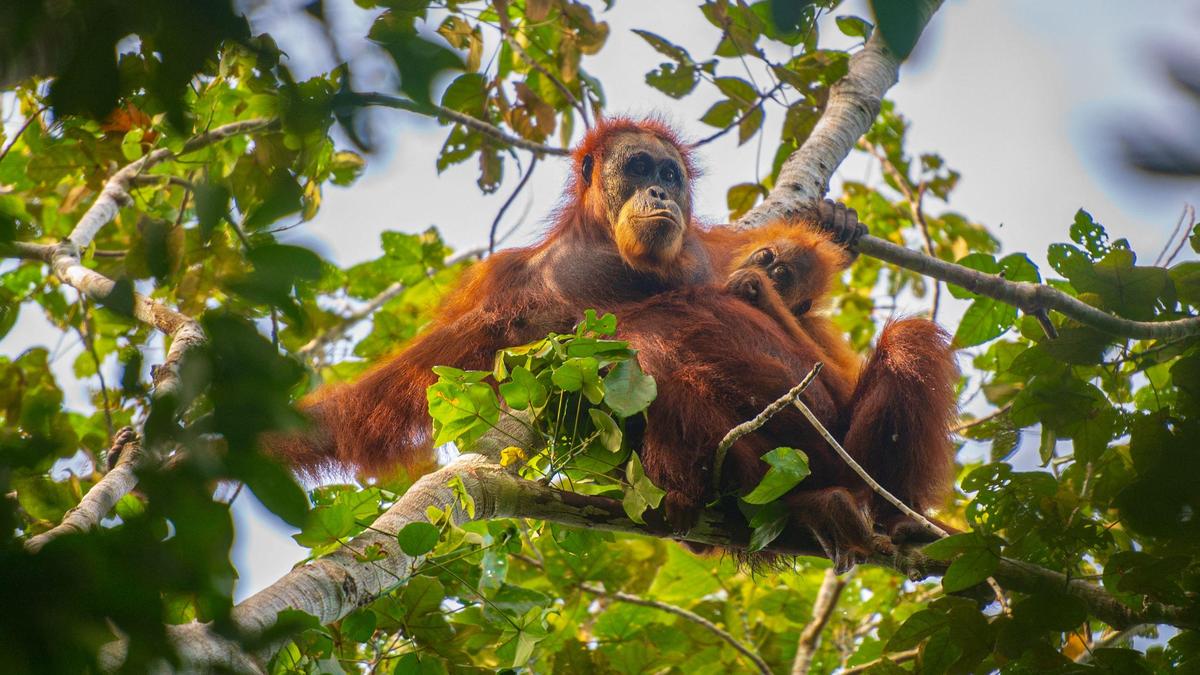
Conservationists have expressed concern over the growing trend of AI-generated wildlife imagery, warning that such synthetic visuals could pose a significant threat to both animals and people. These hyper-realistic images, often portraying wild animals in human-like or overly domesticated scenarios, have been debunked by fact-checkers, yet they continue to proliferate across social media platforms.
Images of an orangutan holding leopard cubs, an elephant escaping floodwaters by climbing a tree, and a pink dolphin leaping from water are just a few examples of the fabricated scenes that have gone viral.
Experts warn that these misleading visuals can distort public perception of wildlife and hinder conservation efforts. Jose Guerrero-Casado, a zoology professor at Spain's University of Cordoba, highlighted a recent incident in China's Xinjiang region where a woman was attacked by a snow leopard after attempting to get a closer photo. This led to increased patrols and warnings from China's forestry department to maintain a safe distance from wild animals.
Conservationists argue that AI-generated imagery depicting wild animals as cute or cuddly makes it more difficult for users to distinguish between reality and fiction, potentially fueling exploitation of these species. Chris Lewis, a researcher at the wildlife charity Born Free, explained that the demand for such animals to be used as photo props or kept as pets is exacerbated by these visuals.
Jenny Roberts, from conservation group WWF, noted that while these images may encourage some people to support animal protection, the negative impacts far outweigh any benefits.
WWF relies on real photographs for its fundraising campaigns, but the prevalence of fake content on the internet desensitizes people to even the most remarkable original visuals. When WWF shared footage of a tiger with five cubs in China, which was unprecedented in the region, they were questioned on social media about whether the footage was AI-generated.
A September study published in the journal Conservation Biology, co-authored by Guerrero-Casado, concluded that the rapid spread of AI misinformation poses a major threat to society. The researchers emphasized the challenge AI images pose: they can affect people's ability to accurately identify species and understand the true abundance and distribution of wildlife. Scientists often rely on data from citizen science platforms, but AI-generated and manipulated images could lead to flawed research.
Major tech companies, such as Meta (Facebook) and TikTok, have implemented measures to label realistic visuals generated or significantly altered using AI. However, fact-checkers have found numerous wildlife posts without clear labeling. Therefore, despite efforts to combat this issue, the spread of AI-generated wildlife visuals remains a significant concern for conservationists and experts alike.
Written by urgent.news from The Hindu - Sci-Tech's reporting — not their text. Machine-written — may contain errors; check the original before relying on it.
This story
This is one outlet's version. Read the fullest account.
- 'People could get hurt': Conservationists decry AI wildlife visuals channelnewsasia.com