'People could get hurt': Conservationists decry AI wildlife visuals
Hyper-realistic visuals of wild animals behaving like pets, or even like humans, can distort public perceptions of wildlife and harm conservation efforts, experts warn.
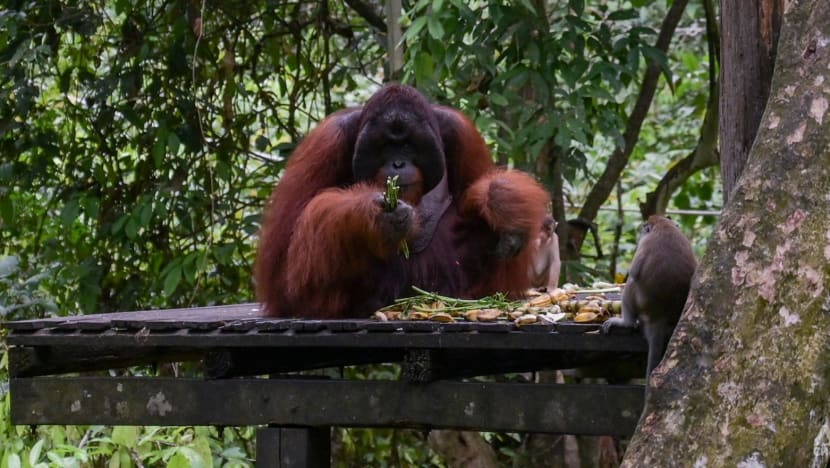
Conservationists have expressed concern that hyper-realistic artificial intelligence-generated images of wild animals acting like pets or humans can distort the public's perception of wildlife and potentially harm conservation efforts. These AI-created visuals, often accompanied by heartwarming anecdotes, have been rapidly spreading across social media platforms like Facebook, TikTok, and X.
The images, such as an orangutan cradling leopard cubs or a pink dolphin leaping out of water, appear to be highly unlikely and are actually fabricated. AFP fact-checkers have debunked numerous such synthetic visuals. While these images may seem harmless as feel-good fiction, experts warn that they can lead people to approach animals too closely or interact with them unsafely.
Jose Guerrero-Casado, a zoology professor at Spain's University of Cordoba, cited a case in China's Xinjiang region where a woman was attacked by a snow leopard after trying to get closer for a photograph. China's forestry department responded by increasing patrols and warning the public to keep a safe distance from wild animals.
Conservationists argue that these AI visuals make it harder for people to distinguish between real and fake, potentially fueling the exploitation of species for tourism, social media content, or pet keeping. Jenny Roberts of the conservation group WWF stated that while these visuals might encourage some to support animal protection, the negative impacts outweigh this benefit.
The rapid spread of AI misinformation poses a significant threat to society, according to a 2023 study in the journal Conservation Biology. This study highlighted that AI-generated images could affect the ability of people to identify species and cause misunderstandings about wildlife abundance and distribution. Scientists often rely on citizen science platforms that accept photos and recordings of wildlife from users, but AI generation and manipulation could lead to flawed research, several experts warned in a commentary in the journal Nature.
Written by urgent.news from Channel News Asia's reporting — not their text. Machine-written — may contain errors; check the original before relying on it.