‘Our new normal’: how marine heatwaves affect life in British seas
As warming seas push native species to cooler waters farther north, once-rare visitors have become more common ‘It sounds silly but I thought it was a person in the water waving,” says Kurt Lander, skipper of the Yellowfin charter boat, based out of Brighton. But when he grabbed his binoculars, he realised the fluttering movement he had noticed in the middle of the Channel shipping lane was a…
A marine heatwave is altering life in British seas. As waters warm, native species are pushed to cooler northern waters, and previously rare visitors are becoming more common. Kurt Lander, skipper of a charter boat in Brighton, observed sunfish, usually found farther north, lying on their sides and flapping their fins. The heatwave has led to shifts in marine life beyond the increased sightings of sunfish.
Some species are moving away from warmer waters, while other "invaders" are appearing for the first time around Britain's coastline. Colder water species are now thriving in Scotland, while warmer-water fish such as bass, comber, and triggerfish are being caught more frequently. Sea swimmers have noticed jellyfish blooms, but the arrival of more dangerous mauve stingers from the Mediterranean could be a cause for concern.
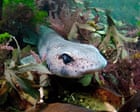
Warmer waters have also led to the appearance of rare species like smalltooth sand tiger sharks and hair curler sea slugs, although scientists are closely monitoring these newcomers for potential negative impacts on native animals. The loss of seagrass and kelp habitats due to extreme marine heatwaves could have severe consequences for marine ecosystems, as these vital habitats provide shelter, protection, and carbon storage for numerous marine species.
Written by urgent.news from The Guardian Australia's reporting — not their text. Machine-written — may contain errors; check the original before relying on it.