Lunar waste crisis: Can Moon avoid becoming a dumping ground for space missions?
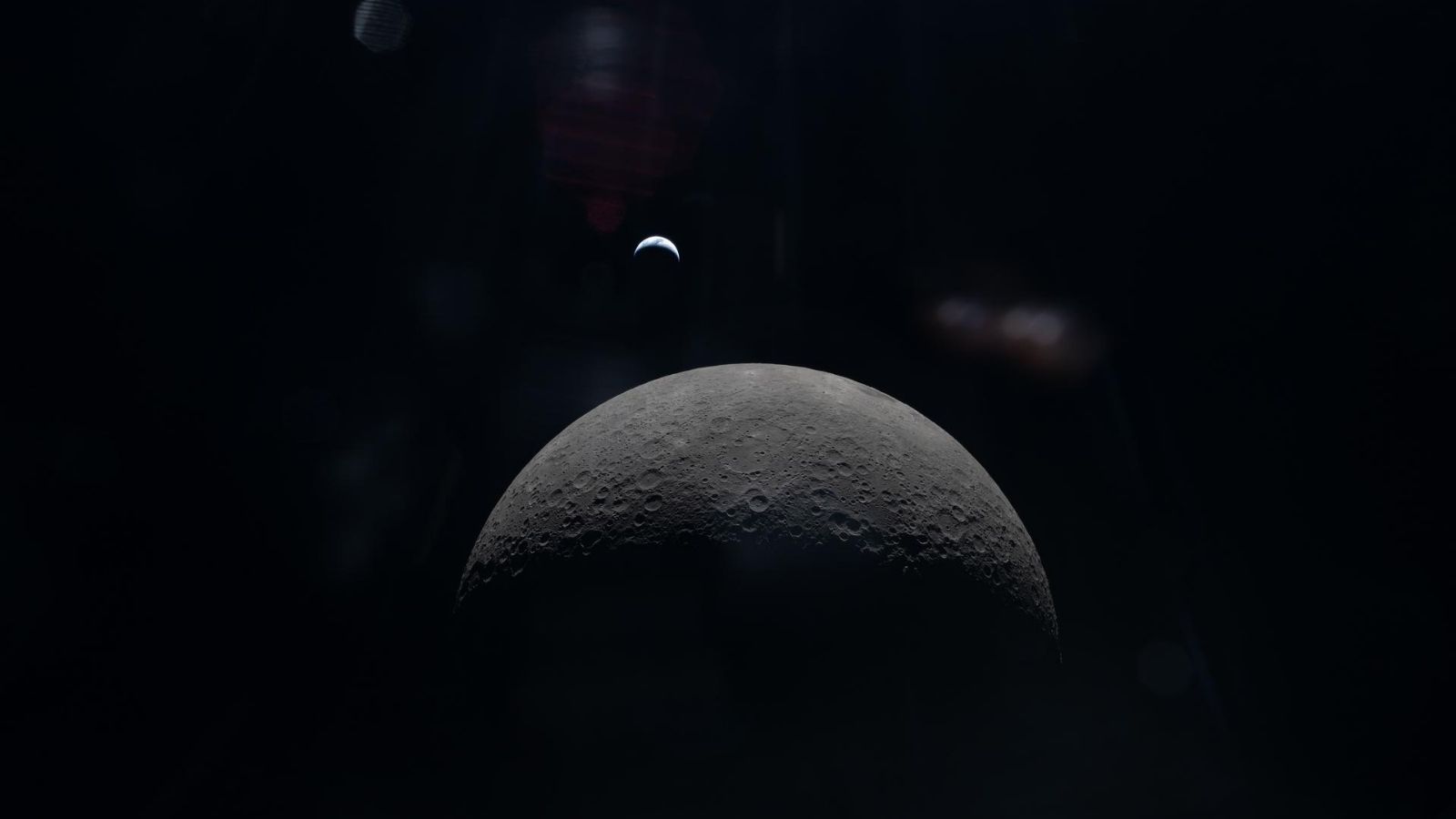
As lunar exploration rapidly expands, scientists and experts are grappling with a pressing issue: could the surge in Moon activity leave behind a mounting legacy of rocket stages, debris and damaged terrain? An 8,800-pound SpaceX Falcon 9 rocket stage's crash into the Moon on August 5 has reignited discussions around the appropriate disposal methods for spacecraft and rocket hardware amidst growing lunar missions.
In recent decades, humanity has left its mark on the lunar surface, with roughly 200 tonnes of human-made material either deliberately placed or crashing into the Moon since the beginning of the space age. Notable objects include the descent modules from Apollo missions, Soviet Lunokhod rovers, and China's Yutu lunar rovers. However, not all lunar objects have been intentionally placed there.
Astronomer and space historian Jonathan McDowell has noted that numerous rocket stages and other objects traveling between Earth and the Moon may eventually end up on the lunar surface. The concern is not merely about litter; it poses a threat to scientific research. The Moon's low gravity allows lunar dust to travel considerable distances after impacts, potentially interfering with future scientific experiments, equipment, and infrastructure.
With more countries and private companies planning lunar missions, experts warn that such incidents could become increasingly common, as lunar exploration moves from a US-led and Soviet-dominated era to one involving numerous nations and commercial operators. The absence of comprehensive international rules governing lunar waste disposal, coordination, and hardware management has left a significant gap.
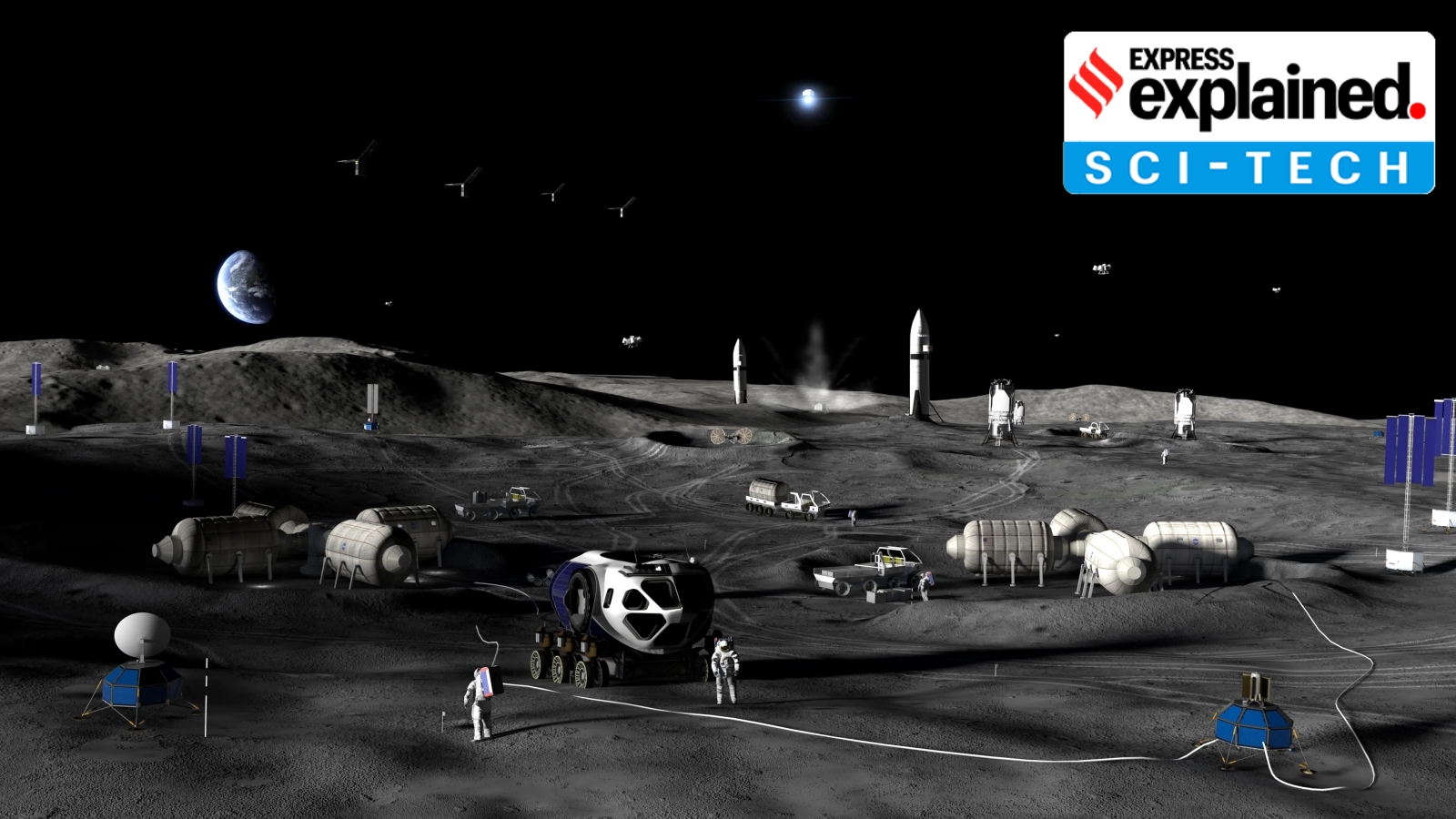
While the 1967 United Nations Outer Space Treaty provides some legal principles, it does not clearly define what constitutes harmful contamination on the Moon. A major rocket impact can disturb more than the immediate location due to the Moon's low gravity, potentially affecting future scientific experiments and equipment. The recent Falcon 9 crash on August 5 underscores the urgency of addressing this issue, as it highlights the need for a new norm for lunar missions, particularly as permanent human settlements become more likely.
Written by urgent.news from The Indian Express's reporting — not their text. Machine-written — may contain errors; check the original before relying on it.