Iran's high-seas intimidation must stop
In a little more than a week, five vessels of the Abu Dhabi National Oil Company have been attacked while transiting the Strait of Hormuz. This brings to nearly two dozen the number of such ships that have been in the firing line of Iranian forces since February 28. One crew member has been killed and more than 20 injured in the past few months. While Adnoc continues to operate robustly, business…
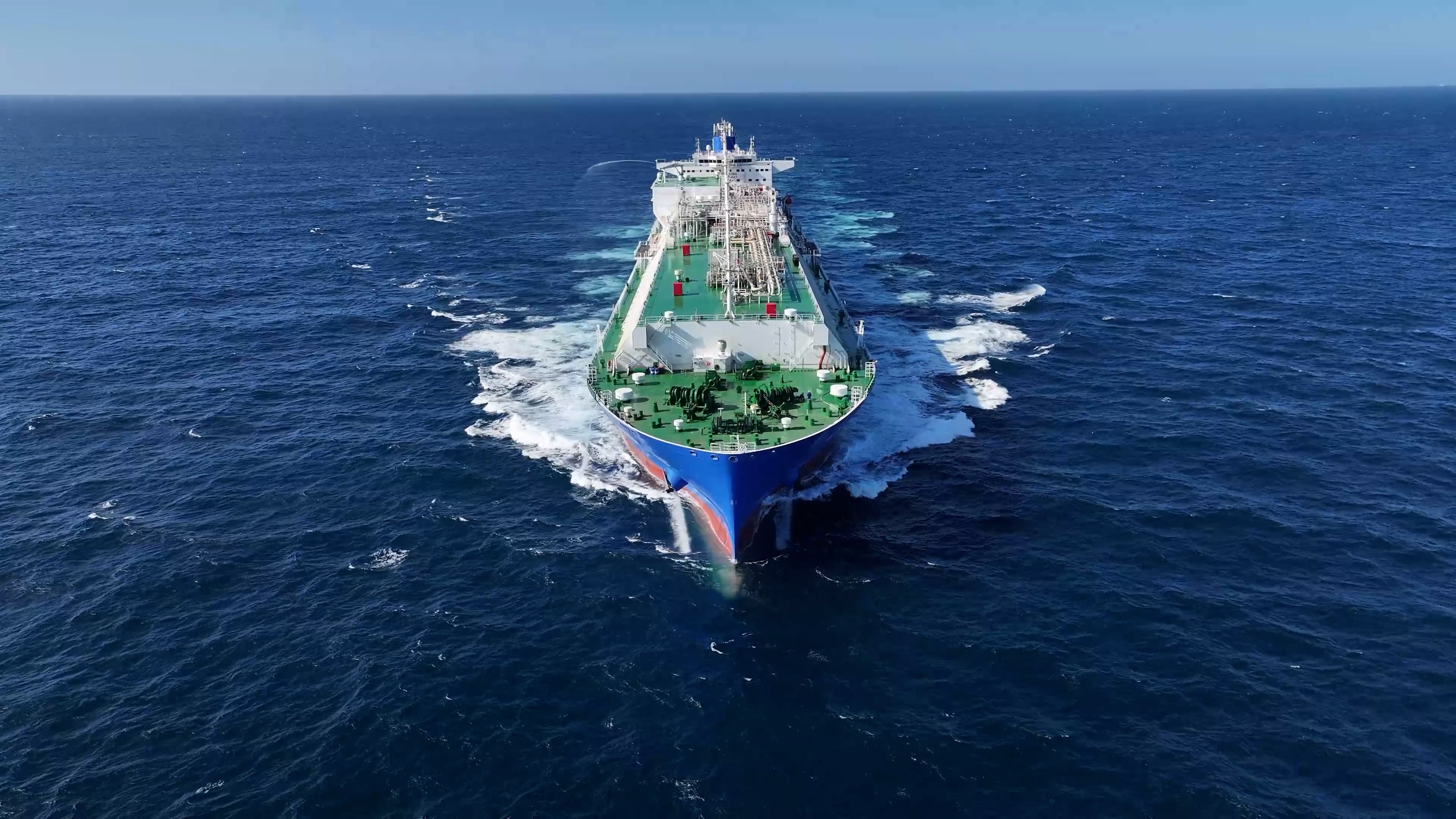
In just over a week, five oil transportation vessels belonging to Abu Dhabi National Oil Company have been targeted while passing through the Strait of Hormuz, bringing the total number of such incidents since February 28 to nearly two dozen. The attacks have resulted in one death and over 20 injuries. Adnoc is maintaining its operations, but this should not be seen as 'business as usual.'
However, the attacks by Tehran are not just an issue for one energy company or a single nation. Hormuz is a critical economic artery, and the firing on vessels passing through it puts the movement of energy, goods, and people at risk beyond the Gulf.
The UAE, led by diplomatic advisor Dr Anwar Gargash, has made it clear that it will defend its rights in the Strait of Hormuz, emphasizing the need for Gulf countries to act together. While the UAE is committed to diplomacy, it cannot accept ongoing attacks. The strait is vital to the world's economy, carrying a significant portion of energy supplies and connecting Gulf economies to global markets.
Iran's attacks on shipping demand a proportionate response, and this response may be shaped by current events and the urgent need for a path forward.
The 60-day deadline set by the US-Iran framework is nearing, making it crucial to have a clear roadmap for reopening the Strait of Hormuz. There needs to be defined steps, timelines, and credible guarantees to restore safe passage. Clarity is essential; Gulf countries and the world need to know not only that the strait will reopen, but also under what conditions, by when, and how its security will be ensured.
While this will not be easy, the more countries that act collectively, the more likely a lasting deal becomes. Conversely, the alternative – a stalemate that is neither war nor peace – would serve nobody's interests.
Written by urgent.news from The National Business's reporting — not their text. Machine-written — may contain errors; check the original before relying on it.
This story
This is one outlet's version. Read the fullest account.
- Iran's high-seas intimidation must stop thenationalnews.com