Iran's high-seas intimidation must stop
In a little more than a week, five vessels of the Abu Dhabi National Oil Company have been attacked while transiting the Strait of Hormuz. This brings to nearly two dozen the number of such ships that have been in the firing line of Iranian forces since February 28. One crew member has been killed and more than 20 injured in the past few months. While Adnoc continues to operate robustly, business…
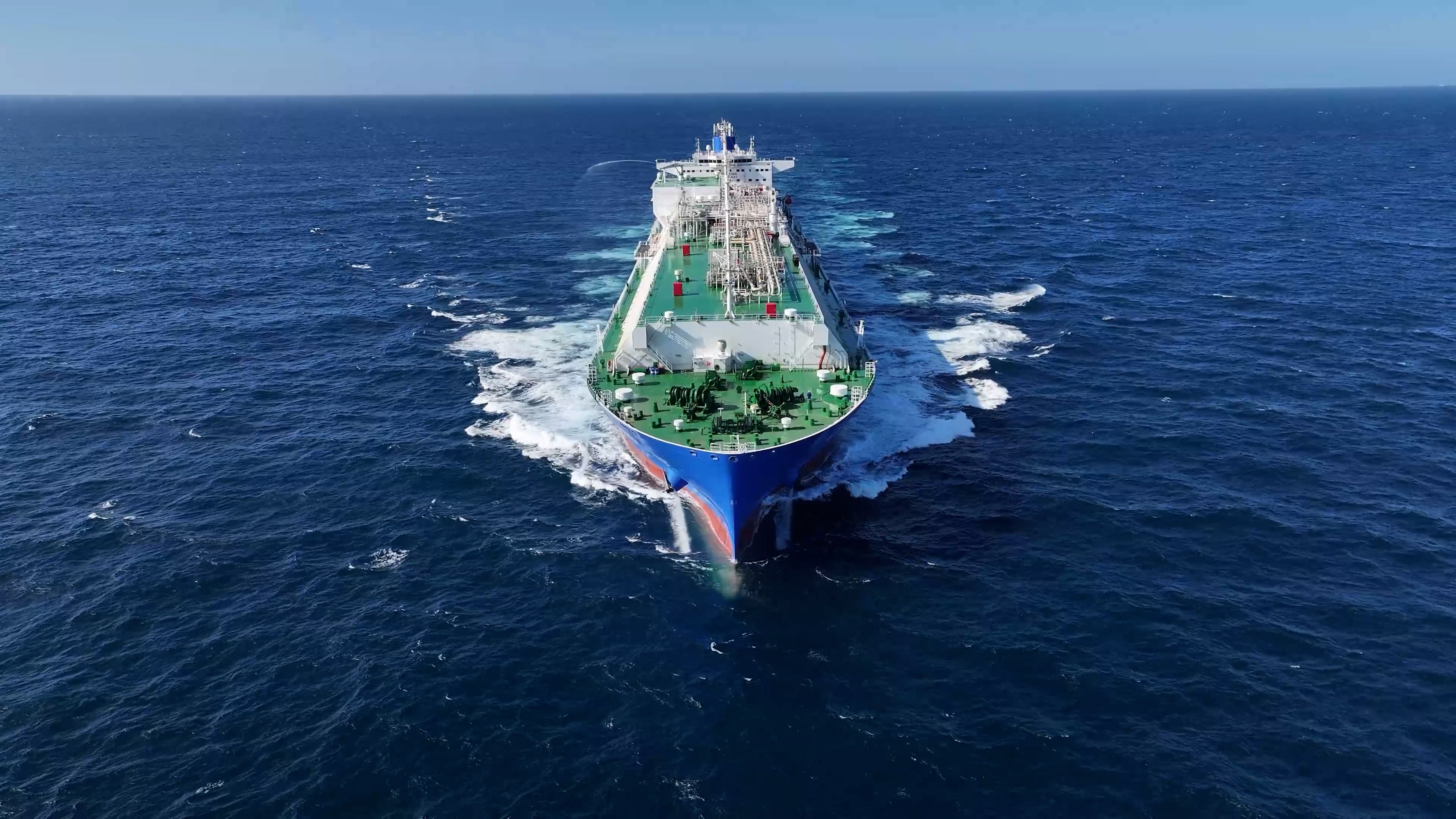
Over the past week, a total of five vessels belonging to Abu Dhabi National Oil Company have been targeted while navigating the Strait of Hormuz, marking a growing pattern of intimidation by Iranian forces. Since early February, a significant number of these attacks have resulted in one fatality and more than twenty injuries. Although Adnoc remains operational, it is crucial to differentiate between the resilience of a company and the unacceptable nature of such violence against a global business community.
This ongoing threat to Hormuz, one of the world's most vital economic pathways, poses a risk that extends far beyond the Gulf region, impacting energy, goods, and people worldwide.
The UAE's diplomatic advisor, Dr. Anwar Gargash, has reaffirmed the country's steadfast commitment to protecting its rights in the Strait of Hormuz, emphasizing the necessity for Gulf nations to collaborate in addressing this issue. While the global community expresses solidarity, the path forward must avoid further militarization and instead focus on constructive dialogue.
The strategic importance of Hormuz cannot be overstated; its waters are instrumental in the flow of energy supplies and serve as a critical link between Gulf economies and international markets. Consequently, Iran's attacks on vessels passing through this vital strait demand a measured and proportionate response. As the deadline of the US-Iran framework approaches, the urgency of establishing a clear roadmap for reopening the Strait of Hormuz becomes paramount.
This roadmap should include specific steps, timelines, and assurances to guarantee the safety and security of maritime passage. Achieving this will require concerted efforts from all parties involved, as a successful resolution benefits not only Gulf countries but the entire world economy.
Written by urgent.news from The National UAE's reporting — not their text. Machine-written — may contain errors; check the original before relying on it.
Also reported by 1 other outlet
- Iran's high-seas intimidation must stop thenationalnews.com