Iran war’s final victim could be the Gulf’s fragile environment
It is said the first casualty of war is the truth; the final victim is often the environment. At the end of the First Gulf War , Saddam Hussein caused the second-largest oil spill in history by dumping about four million barrels of Kuwaiti crude into the sea. Now holed ships and exploded tanks again threaten the Gulf’s people and ecosystems. The way Iran has fought this war magnifies the danger…
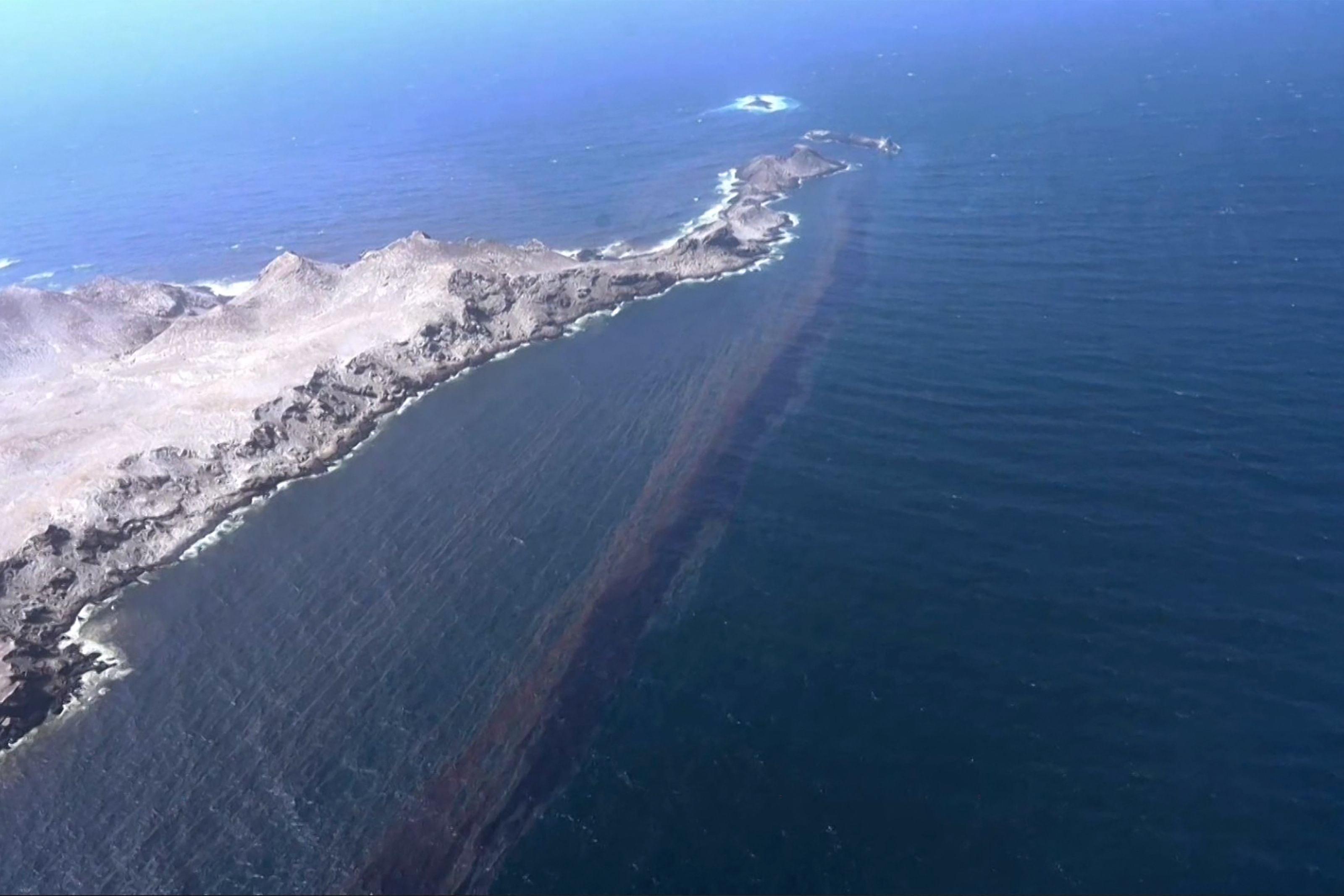
The final victim of the Iran war may very well be the fragile environment of the Gulf. During the First Gulf War, Saddam Hussein caused the second-largest oil spill by dumping about four million barrels of Kuwaiti crude into the sea. Now, with Iran's aggressive fighting tactics, the Gulf's people and ecosystems face a new threat.
In the current conflict, Iran has attacked numerous ships, with the UAE Foreign Ministry condemning the latest strike. Since late 2023, the Houthi rebels in Yemen have damaged and sunk several ships, including the MV Rubymar, which leaked fuel oil and could have caused toxic algal blooms and damaged coral. Iran's attacks have also resulted in environmental risks to the fishing industry along the Tihama coast.
Perhaps the most alarming incident occurred when Iran attacked the Minoan Pioneer, a bulk carrier, causing a fuel tank to pierce and leading to another oil spill. Another mysterious explosion off the coast of Oman resulted in a tanker grounding and being abandoned, leaking about 800,000 barrels of Russian crude. This ship, registered in Cameroon, had expired documents and was in danger of breaking up. The khareef monsoon has spread oil over 400 square kilometers, reaching Ras Madrakah, more than 200 kilometers away.
Iran's own environment has also suffered. Israeli planes struck oil storage tanks in Tehran, releasing thick black petroliferous smoke clouds over the city. Strikes against the Barakah nuclear power plant in Abu Dhabi and the Bushehr reactor on Iran's Gulf coast have raised further concerns. Iran has accused the US of attacking desalination plants, though the Gulf countries rely heavily on desalinated water for residential needs.
The Gulf ecosystem is already stressed due to rising temperatures from climate change, leading to salinity increases and coral bleaching. Effluents from desalination plants create hot, hypersaline water, while urban development and boating activities destroy reefs and other habitats. Iran has even accused the US of attacking desalination plants in March, although the Gulf states mainly use ground and rainwater.
The war has been fought with little regard for the environment, with no countries in the region recognizing ecocide as a crime. Iran's stewardship of its own nature and water has been poor even in peacetime, despite the efforts of individual green campaigners. However, a promising approach might be to collaborate on specific problems, such as oil spills from stricken tankers.
This could involve contributions from nations outside the region, including Europe, China, and Japan, who have been absent from recent negotiations. Some maritime passages, like the Bosphorus and the Strait of Malacca, already levy compulsory or voluntary charges for environmental protection services, which could serve as a model for the Gulf region.
Written by urgent.news from The National Business's reporting — not their text. Machine-written — may contain errors; check the original before relying on it.
This story
This is one outlet's version. Read the fullest account.
- Iran war’s final victim could be the Gulf’s fragile environment thenationalnews.com