Iran war’s final victim could be the Gulf’s fragile environment
It is said the first casualty of war is the truth; the final victim is often the environment. At the end of the First Gulf War , Saddam Hussein caused the second-largest oil spill in history by dumping about four million barrels of Kuwaiti crude into the sea. Now holed ships and exploded tanks again threaten the Gulf’s people and ecosystems. The way Iran has fought this war magnifies the danger…
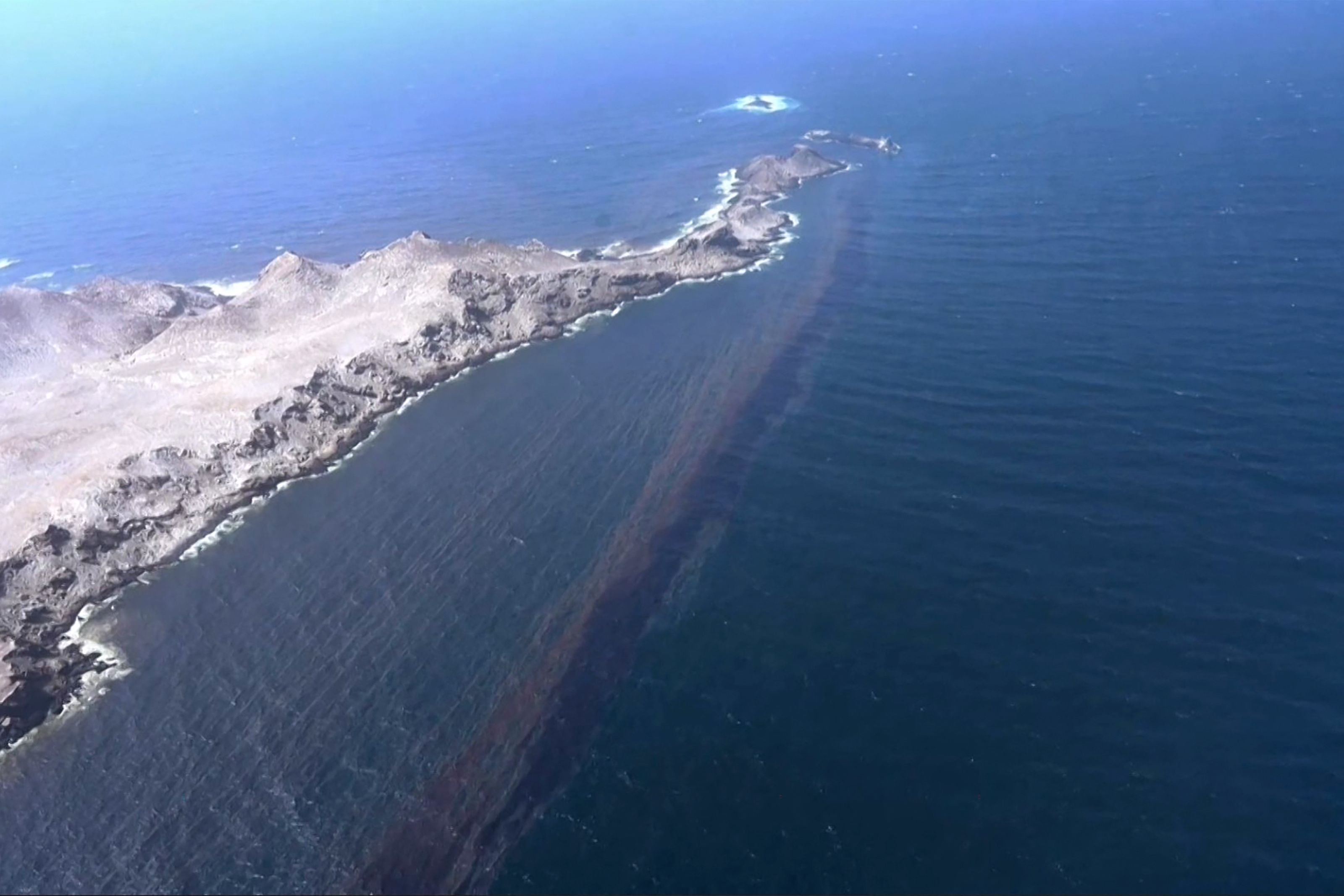
The final victim of the Iran war may very well be the fragile Gulf environment. The First Gulf War saw Saddam Hussein dump around four million barrels of crude into the sea, creating the second-largest oil spill in history. Now, Iran's aggressive tactics heighten the danger, with multiple reports of Adnoc tankers being hit and a dark fleet tanker, Caroline Bezengi, exploding off Oman's coast.
The Houthi rebels in Yemen have damaged and sunk ships, even sinking a fertiliser carrier that leaked fuel oil, potentially causing toxic algal blooms and coral damage. A recent attack on a Tanzania-flagged ferry claimed six lives. Iran's actions, such as attacking the Minoan Pioneer and causing a spill near Sirri Island, also pose threats.
An abandoned tanker, the Caroline Bezengi, is leaking oil, spreading over 400 square kilometers and reaching a remote area home to turtles, corals, and whales. The war's disregard for the environment, coupled with climate change, stresses the Gulf's already vulnerable ecosystem. With few nations acknowledging ecocide as a crime, the Gulf's nations must cooperate to protect the environment, possibly turning to international assistance like that which helped remove oil from the FSO Safer tanker during Yemen's civil war.
Written by urgent.news from The National UAE's reporting — not their text. Machine-written — may contain errors; check the original before relying on it.
Also reported by 1 other outlet
- Iran war’s final victim could be the Gulf’s fragile environment thenationalnews.com