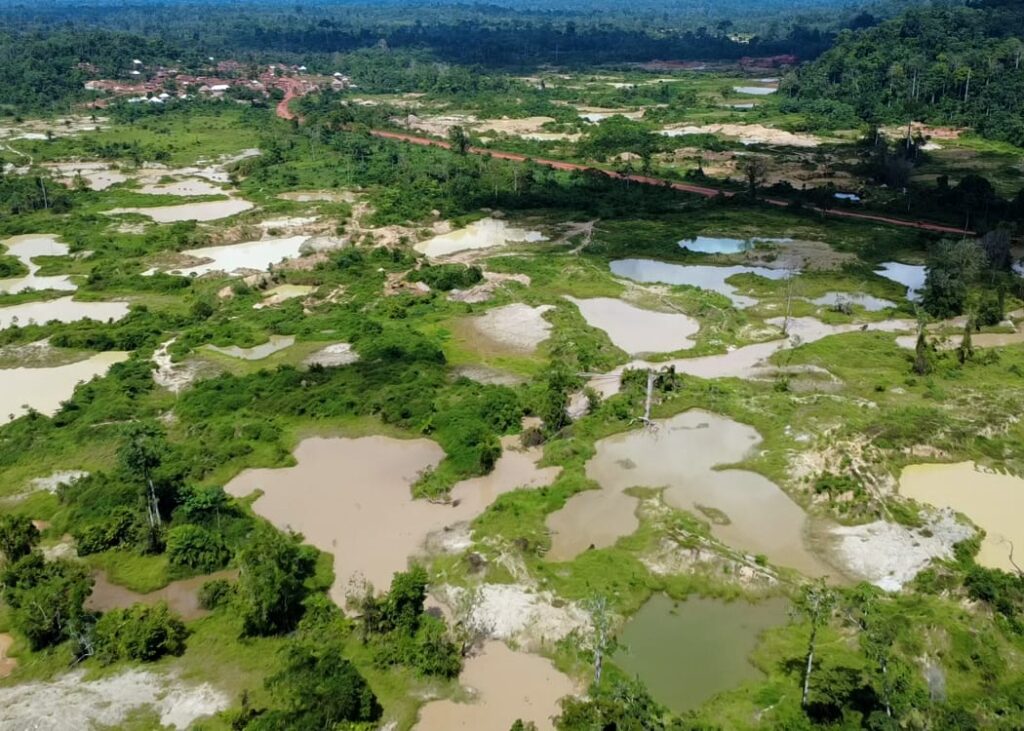
India’s biggest urban problem might not be potholes. It could be us
Indian cities invest heavily in infrastructure, yet many problems arise from everyday human behavior. Overflowing bins and parked cars on sidewalks highlight this ongoing civic failure. Traffic rule violations and littering demonstrate a cultural contradiction in public space treatment. Keeping cities clean requires municipal systems, enforcement, and citizen behavior working together. Becoming…
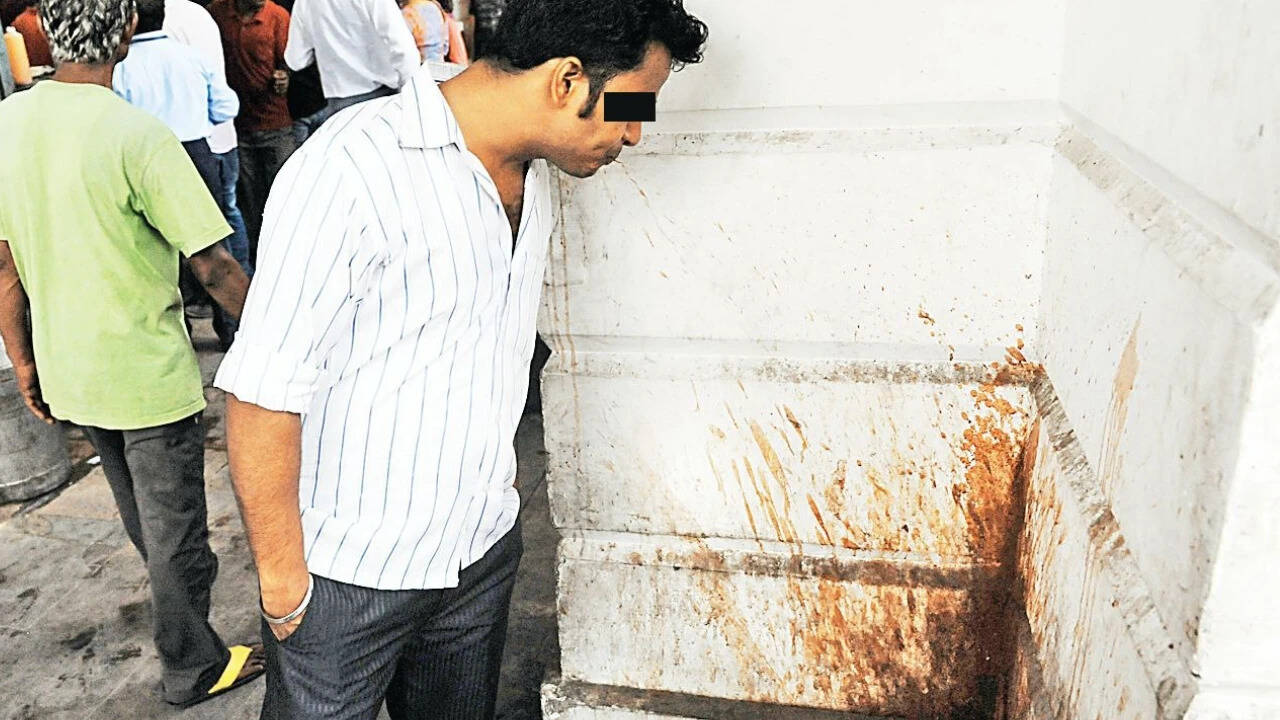
Indian cities invest heavily in infrastructure, yet many urban woes arise from human behavior. Overflowing bins, vehicles parked on sidewalks, driving on the wrong side, littering, and disregarding traffic rules contribute to the chaos. Citizens desire better cities, but they often contribute to their disarray. Footpaths are frequently used as parking spaces, a civic failure.
Municipal bodies are responsible for proper garbage collection, but littering a food packet on the road because a bin is nearby is a citizen's choice.
Poor road design leads to traffic chaos, but traffic violations such as jumping signals, driving against traffic, or blocking intersections can be attributed to human behavior. India's cleanliness program, Swachh Survekshan 2024-25, involved extensive citizen participation in assessing urban cleanliness and civic services. The scale of participation highlights that keeping cities clean is a collective responsibility.
Civic sense is turning into a safety issue on the roads. Traffic violations like driving on the wrong side, running signals, dangerous overtaking, and illegal parking can be life-threatening. In 2025, Gurgaon recorded 2,03,936 cases of wrong-side driving, while Delhi saw 1,617 road deaths due to speeding, wrong-way driving, drunken driving, distraction, and traffic-rule violations.
A similar cultural contradiction exists in public sanitation. Indians are meticulous about keeping their homes clean, but this concern often fades when they step outside. Public spaces are perceived as unowned, and taxpayers ultimately bear the cost of their upkeep. Indian cities have seen cities like Indore, Surat, and Navi Mumbai recognized in the Swachh Survekshan 2024-25's Super Swachh League, while Ahmedabad, Bhopal, and Lucknow emerged as new leaders in clean cities.
Effective urban cleanliness requires a combination of municipal systems, enforcement, and citizen behavior.
The problem of civic sense cannot be solely addressed by fines. While enforcement is crucial, especially for behavior that poses public safety risks, punishment works best when combined with awareness, good infrastructure, and social pressure. Teaching children the importance of crossing at designated places, standing in queues, not littering, and respecting public spaces should be a priority.
This approach will be even more critical as cities become denser, and individual behavior will have a more significant collective impact. Ultimately, the city we desire begins with the kind of citizen we are.
Written by urgent.news from Times of India's reporting — not their text. Machine-written — may contain errors; check the original before relying on it.