Duncan-Williams urges Church to educate Ghanaians on dangers of galamsey and gold smuggling
The General Overseer of Action Chapel International, Archbishop Nicholas Duncan-Williams, says the Church has a responsibility to educate Ghanaians about the environmental and social consequences of illegal mining and irresponsible exploitation of the country’s gold resources. He said prayers alone would not be enough to address the galamsey menace, arguing that religious institutions must also…
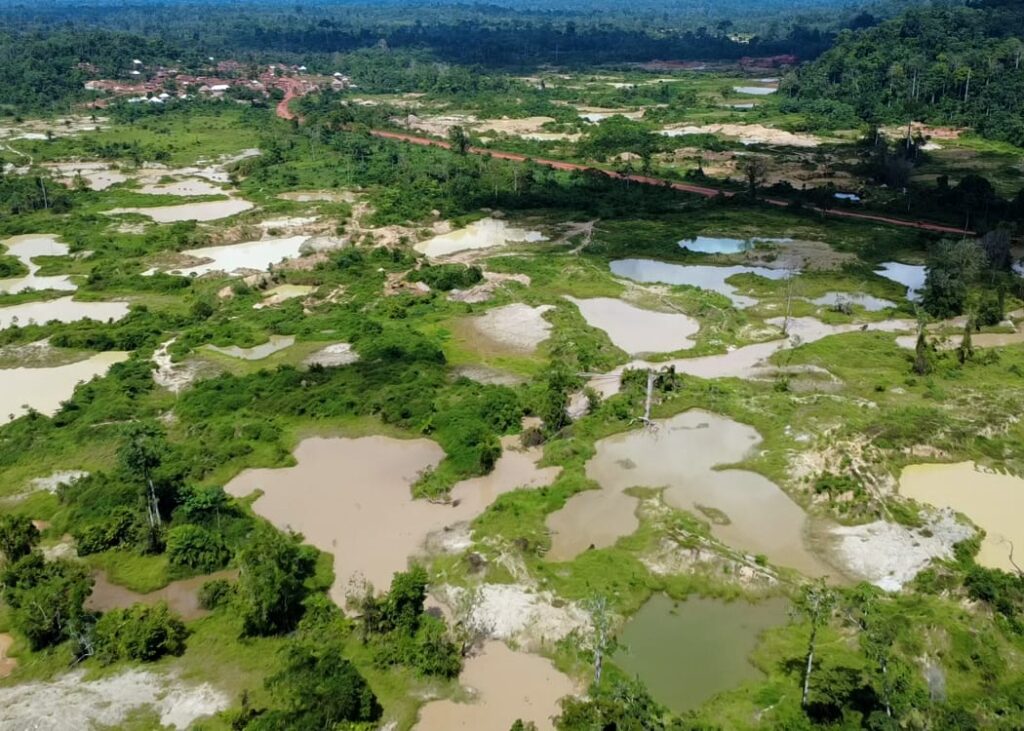
Archbishop Nicholas Duncan-Williams, the General Overseer of Action Chapel International, has urged the Church to educate Ghanaians on the dangers posed by illegal mining and gold smuggling. He stated that the Church has a responsibility to educate the public about the environmental and social consequences of irresponsible exploitation of Ghana's gold resources.
During an interview on Joy FM’s Super Morning Show, the Archbishop emphasized that prayers alone were insufficient to address the galamsey crisis, and that religious institutions must create awareness and help citizens understand the importance of responsible mining and environmental protection. He argued that the fight against illegal mining should focus on encouraging responsible and lawful practices rather than preventing people from engaging in mining altogether.
According to the Archbishop, the long-term environmental consequences of irresponsible mining should be a significant part of the national conversation, warning that the financial benefits of mining would be meaningless if communities were left with polluted water, unusable farmland, and a degraded environment. He called for greater awareness of the potential health impacts of activities that pollute water bodies and contaminate agricultural land.
The Archbishop noted that the Church was uniquely positioned to contribute to the campaign due to its widespread presence in communities across Ghana. He explained that the people who attend churches are active citizens who participate in the economy, politics, and public life, making religious institutions an essential platform for civic and environmental education.
By educating church members about the consequences of galamsey, the Archbishop believed that the Church could influence behaviour beyond their places of worship, impacting homes, communities, and workplaces. He also highlighted a spiritual dimension to the galamsey crisis, arguing that prayer should be complemented by practical interventions.
However, the Archbishop firmly stated that the Church's responsibility extended beyond spiritual guidance to helping citizens understand their obligations to society and the environment. His comments come as there is ongoing concern over the environmental damage caused by illegal mining, including water pollution, land degradation, and potential health risks from exposure to substances like mercury.
Written by urgent.news from Adom Online's reporting — not their text. Machine-written — may contain errors; check the original before relying on it.
This story
This is one outlet's version. Read the fullest account.