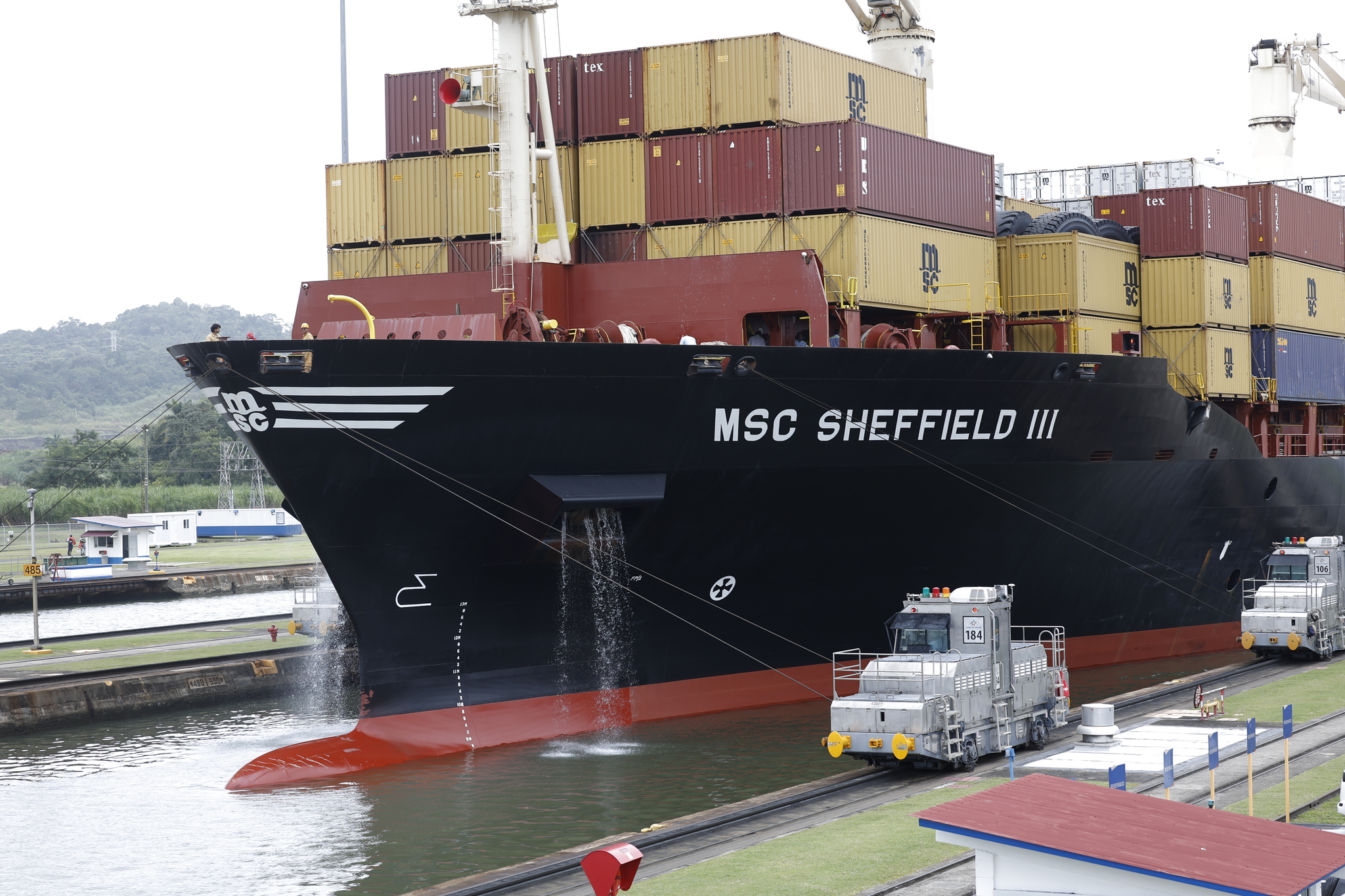
Hormuz traffic falls to single digits as 60-day deadline for US-Iran MoU expires
Vessel traffic through the Strait of Hormuz has fallen 64 per cent from its post-MoU peak and collapsed into single digits, with only three vessels transiting the strait on Sunday, down from five on Saturday and 12 on Friday, the latest Kpler data show. Around 520 commercial vessels are now stuck in the Arabian Gulf, according to estimates shared by the energy intelligence firm, with the backlog…
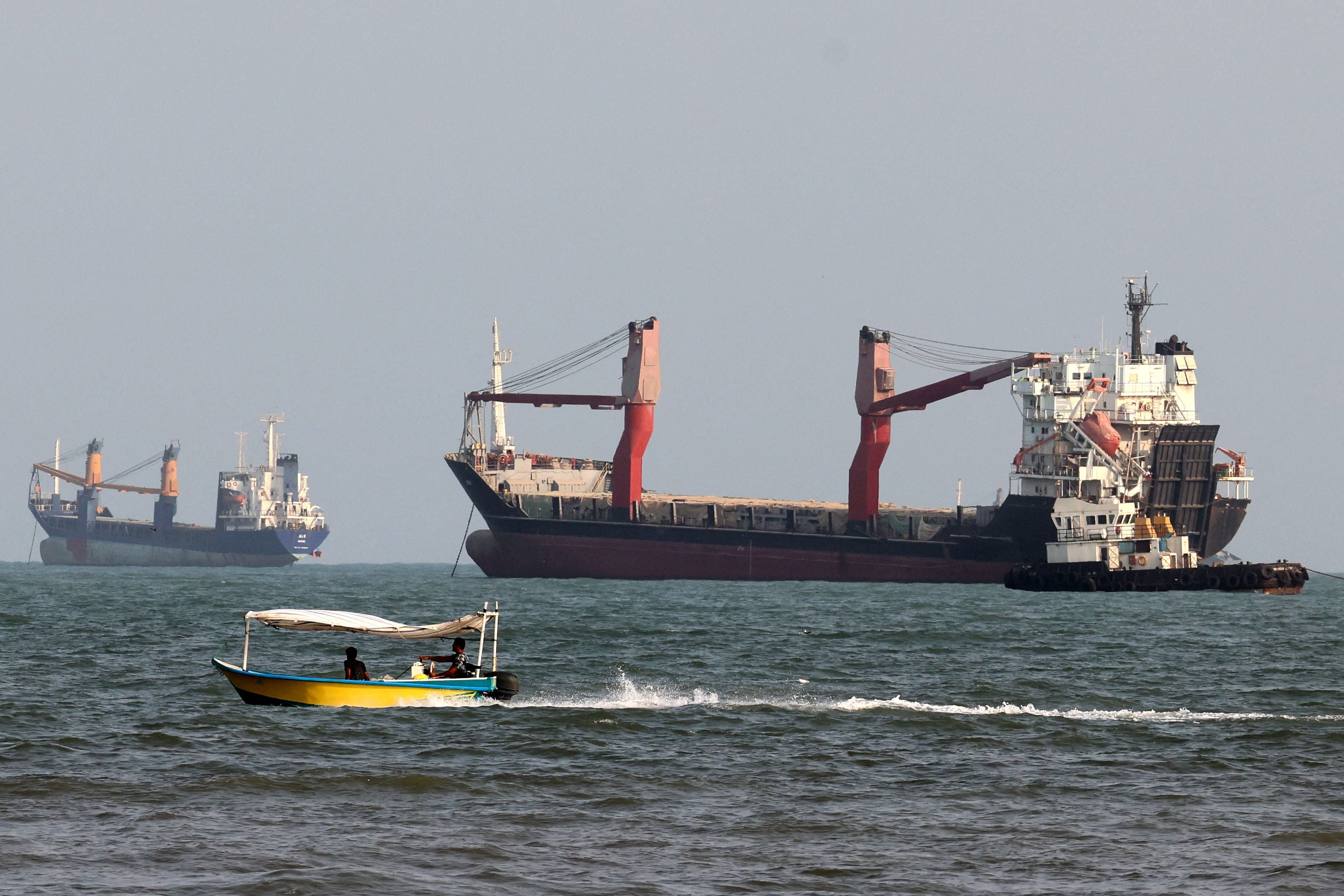
Vessel traffic through the Strait of Hormuz has plummeted to single digits, with only three ships passing through on Sunday, according to the latest Kpler data. The 64 percent drop from its peak after the US-Iran interim deal signed on June 17 has left around 520 commercial vessels stranded in the Arabian Gulf, with a potential clearance of up to eight weeks even if mines are swiftly removed.
Trade risk analyst Ana Subasic explained that resuming unrestricted traffic would depend on the pace of demining and operators' readiness to resume transits once security conditions improve. The 60-day deadline set by the interim agreement expired on Sunday without any side extending it. US President Donald Trump had promised the deal would reopen the strait, but has since criticized the American blockade of Iranian ports.
Iran's Deputy Foreign Minister Kazem Gharibabadi has stated that the waterway is Tehran's to control. Israeli threats to bomb Oman, which shares Hormuz with Iran, have also added to the tension. The agreement aimed to reopen the strait, through which a fifth of the world's oil and gas normally passes, but has failed to materialize.
Iranian oil exports through the strait have plummeted, with volumes falling as much as 94 percent to under 100,000 barrels per day, far below the pre-deal levels.
Written by urgent.news from The National UAE's reporting — not their text. Machine-written — may contain errors; check the original before relying on it.
This story
This is one outlet's version. Read the fullest account.